Portrait (He Knew) by Kansas
Kansas built many songs around big ideas, and this one may be one of their clearest examples. The meaning of Portrait (He Knew) Kansas centers on a brilliant mind who sees farther than everyone else, yet leaves the world before they can fully explain what they found.
"Portrait (He Knew)" - Kansas
You might have heard his name
He lived alone with his vision
Loading lyrics...
Unable to load lyrics
We're unable to display the lyrics at this time. Please try again later.
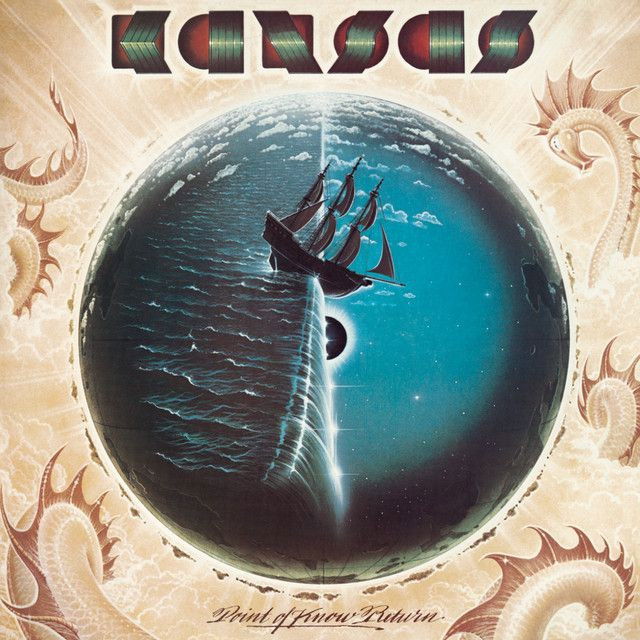
Factually, the song was written by Kerry Livgren and Steve Walsh for Point of Know Return and released as a single in 1978. It was inspired by Albert Einstein, a detail noted in the song's Wikipedia entry. That real-world anchor matters, because the lyrics sound less like a love song or a personal confession and more like a tribute to a visionary whose thinking changed history.
A Rock Portrait of the Outsider
At its core, the song describes a genius who lived ahead of their time. The opening lines sketch someone full of ideas, detached from fame, and hard for ordinary people to understand. When the lyric says a thousand ideas
, it frames the figure as mentally restless and unusually gifted.
The song also stresses isolation. This person lived alone with his vision
, which suggests both dedication and loneliness. They are not chasing applause. They are chasing truth.
That is why the verses keep returning to the gap between what the thinker sees and what everyone else can grasp. Kansas presents genius as both inspiring and sad. The smarter this figure becomes, the harder it is for others to follow.

Watch the official Portrait (He Knew)
music video
Why Einstein Fits So Well
If listeners know the Einstein connection, many lines snap into focus. References to mysterious words, strange numbers, and ideas no one could fully unravel match Einstein's public image as the scientist who transformed how people think about time, space, and reality.
Still, the song is not a science lesson. It treats Einstein as a symbol of the human search for ultimate meaning. The lyric the nature of what we are
expands the subject from physics into philosophy. Kansas is not only praising a famous scientist; they are asking what happens when one person gets closer than the rest of us to life's deepest answers.
Interpretation: Even listeners who miss the Einstein reference can hear the song as a broader portrait of any misunderstood visionary: an inventor, prophet, artist, or thinker whose insight looks strange before it looks true.
The Chorus Turns Admiration Into Mystery
The chorus is the emotional center of the song. Instead of listing achievements, it repeats the simple idea that he knew
. That phrase is powerful because it never explains exactly what he knew.
This keeps the song open and haunting. The narrator seems convinced that this figure understood something vital, maybe even world-changing, but cannot name it. The repeated question about where he was going gives the song its ache. It is not just about death. It is about unfinished understanding.
But he knew
No one could see his view
And he tried
before he could tell us, he died.
That brief passage captures the whole tragedy. The visionary had insight, the public could not fully share it, and death cut off the explanation.
A Story About Genius and Distance
One reason the lyrics work so well is their balance between praise and uncertainty. They call the subject bright and visionary, but they also admit that many people thought he might not be sane. That tension reflects a common pattern in how society treats radical thinkers.
Kansas suggests three linked ideas:
- Great insight often looks strange at first.
- The public usually recognizes genius late.
- Some truths die partly hidden with the person who found them.
That last point gives the song its strongest emotional pull. The line about a picture he drew hints that his ideas left traces behind, even if the full plan remained incomplete. Listeners are left with a sense of standing before a half-open door.
How the Music Supports the Meaning
The arrangement helps sell the song's seriousness. "Portrait (He Knew)" sits in Kansas' progressive rock lane, but it also has a hard rock drive. According to contemporary trade reviews summarized in the same Wikipedia overview, Billboard praised its fierce energy and climactic finish, while Cash Box highlighted its strong beat and melodic singing.
That matches what they hear on the record. The rhythm pushes forward with urgency, as if the song is chasing the answer its subject never got to finish explaining. The guitars and keyboards give it scale, while the vocal delivery carries both confidence and wonder.
The ending matters too. Rather than fading into quiet reflection, the song builds toward intensity. That choice makes the portrait feel alive, almost unresolved. The music does not sound like a sealed biography. It sounds like a mind still racing beyond the song's last note.
Livgren's Bigger Spiritual Context
Artist context adds another layer. The research around the song notes that Livgren wrote it during a spiritual transitional period, and later reworked it in a different form after his conversion to Christianity. That does not mean the original song is explicitly religious, but it helps explain why the lyrics feel larger than biography.
Interpretation: In that light, Einstein becomes more than a historical figure. He becomes a vehicle for questions about creation, destiny, knowledge, and the limits of human understanding. The song admires intellect, but it also hints that even the brightest mind only glimpses part of a larger design.
The Lasting Meaning of Portrait (He Knew) Kansas
The lasting meaning of Portrait (He Knew) Kansas lies in its mix of tribute and uncertainty. It honors a person of rare vision while admitting that true genius can never be fully translated for the rest of us.
That is why the song still connects. It speaks to anyone who has looked at a brilliant thinker and felt both awe and distance. Kansas turns that feeling into a dramatic rock song about insight, loneliness, and the painful fact that some answers seem to vanish with the people who discovered them.
Disclaimer: This interpretation combines documented context about the song's Einstein inspiration with close reading of the lyrics. As with any song, some meanings remain open to listener interpretation.