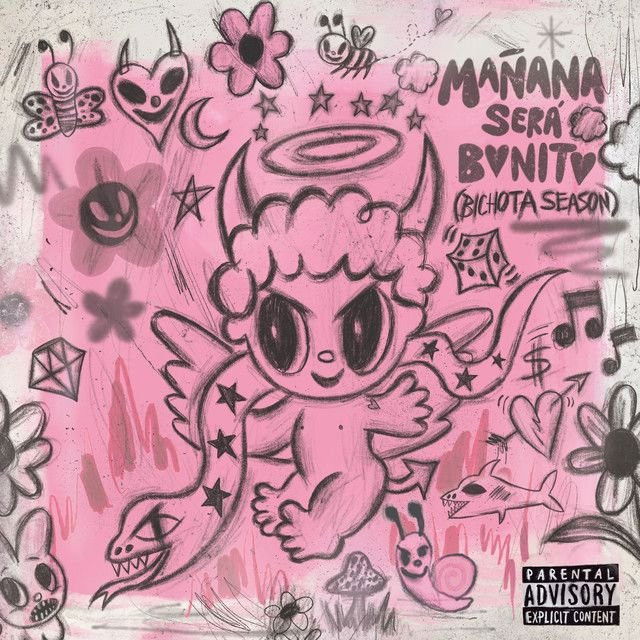
OKI DOKI by Karol G
Karol G’s “OKI DOKI” is a bright, flirty break-up anthem that shrugs off an inattentive ex and leans into self-possession. If you’re looking for the meaning of OKI DOKI Karol G, think empowerment with a playful grin: she sets boundaries, reclaims her time, and keeps it moving.
"OKI DOKI" - Karol G
Atrás dejé el bebo que tenía
Se descuidó y no fue culpa mía
Loading lyrics...
Unable to load lyrics
We're unable to display the lyrics at this time. Please try again later.
A Cheeky Breakup, Translated into Swagger
The hook treats closure like a game of cool detachment. When she says no fue culpa mía
, she’s not dodging responsibility; she’s stating that the relationship fell apart because the other person got careless. The mood is confident, not bitter.
The chorus’s catchphrase—rendered as an easy oki doki
—acts like a wink. It’s the sonic equivalent of a shoulder-shrug. She’s done arguing, so she turns to joy, independence, and the next adventure.
Who’s Talking, and to Whom?
The narrator speaks in first person, addressing two audiences. To the ex, she signals the split with Atrás dejé el bebo
, making it clear the relationship is over. To a new interest, she flirts—lines of invitation like déjate ver
convey curiosity and freedom.
This dual address lets her close a door while opening another. The song balances dismissal with desire, a classic Karol G move: tough when drawing limits, warm when choosing herself.
How the Story Unfolds in Quick Scenes
- She states the breakup and names neglect as the cause. The tone says: this isn’t drama; it’s clarity.
- She flips the script on blame, insisting on respect and responsibility from the ex.
- She reclaims material symbols (cars, watches) to underline that gifts won’t paper over bad behavior.
- She steps into new energy, signaling autonomy and flirtation with someone who actually sees her.
Across these beats, the power dynamic changes hands. She’s not chasing apology; she’s defining terms.
Why the Chorus Hits
The refrain carries two messages at once: goodbye and glow-up. Using oki doki
, she reframes the end of a relationship as a light, almost comic beat—no last fight, no dramatic speech. The levity underscores control; she chooses how the story ends. Interpretation: the chorus matters because it turns closure into pleasure, a shift from grievance to groove.
Symbols, Slang, and the Bichota Universe
Karol G’s “Bichota” persona is her empowerment brand—bold, glamorous, in charge. The explicit nod to Bichota Season
plants this track squarely in that world: big entrances, bigger self-belief. References to pink hair and swaggering rides (picking someone up “in the Banshee”) are playful status markers, the pop equivalent of rolling up in a sports car.
Language also does heavy lifting. The song mixes Spanish with an English catchphrase and adds Japanese flourishes that translate to owning her life—mirrored by the concise Spanish claim la vida es mía
. That global code-switching mirrors her reach and the universality of the message: self-worth travels.
Production That Moves the Message
Musically, “OKI DOKI” leans on a crisp reggaeton/dembow backbone with a rubbery bass line and bright, percussive synth stabs. The tempo sits in a danceable pocket; the groove encourages hips first, thoughts next. Call-and-response chants and tightly stacked vocals turn the hook into instant crowd fuel.
The mix spotlights attitude. Ad-libs pop in the stereo field, while the beat leaves air for punchy one-liners. That space lets each confident phrase land like a wink. The result is perreo-ready but polished—club energy with pop sheen.
Alternate Readings Listeners Hear
Interpretation: one reading treats the track as a pure brag—she’s hotter, happier, and already beyond the ex. Another frames it as boundary music: after giving too much, she now demands respect, celebrates her body, and owns her choices. The recurring stance of la vida es mía
makes both readings work.
A softer angle sees humor as healing. By turning pain into a playful chorus, she diffuses the breakup’s heaviness. The joke isn’t cruel; it’s liberating.
The Big Picture: Why It Resonates
For fans in the U.S., the meaning of OKI DOKI Karol G lands because it speaks fluent modern dating: accountability, self-love, and moving on without overexplaining. It’s catchy enough for the dance floor and clear enough to text to a friend who needs a boost.
In short, “OKI DOKI” is the sound of closure with a smirk. She leaves, laughs, and lives—on her own terms.
— Disclaimer: This is an interpretive analysis based on publicly available lyrics and cultural context. Only the artist and credited creators can confirm definitive intent.








