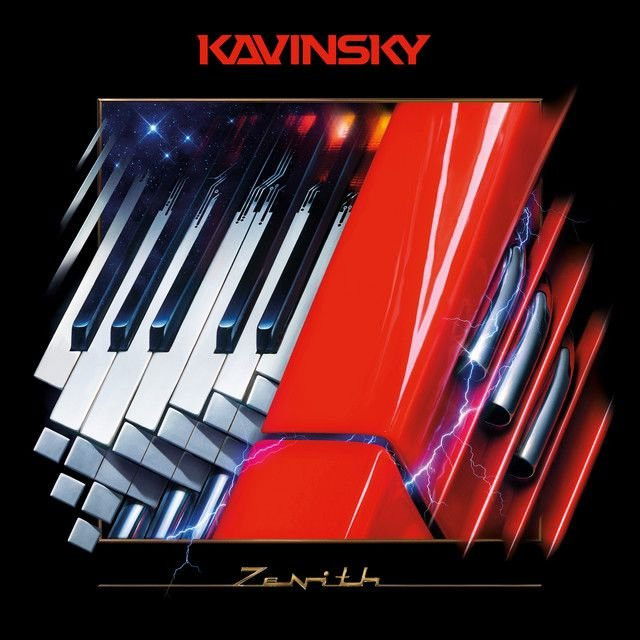
What 'Zenith' Really Says About Losing the Spark
The meaning of Zenith Kavinsky, Prudence, Morgan Phalen centers on a painful shift: a bond that once felt alive now survives only as memory. The song does not describe a simple breakup in plain terms. Instead, it turns loss into glowing images of moonlight, film, haze, and fading sensation.
"Zenith" - Kavinsky, Prudence, Morgan Phalen
I can feel it fading out my memory
Though I remember
Loading lyrics...
Unable to load lyrics
We're unable to display the lyrics at this time. Please try again later.
That makes “Zenith” feel both intimate and cinematic. It sounds like someone replaying a love story in their head and realizing the screen is going dark.
A Neon Breakup Song With a Ghost in It
At the most direct level, the song is about emotional aftermath. The speaker remembers a past connection that felt thrilling and almost superhuman, then compares it to the numbness of the present. When they say lost the picture
, the point is not just forgetting a face. It suggests fear that memory itself is failing.
That fear shapes the whole track. They can still recall key flashes of closeness, but those flashes no longer restore the relationship. They only prove it is gone.
Interpretation: “Zenith” may be about a breakup, but it also reads like a song about grief. The missing person could be an ex, a lost version of the self, or even someone who has passed out of reach entirely.
Watch the official Zenith
music video
How the Verses Move From Memory to Emptiness
The opening lines start in recollection. There is still enough detail to remember a beautiful shared moment under moonlight, but the image is unstable. The memory is fading, and that matters because the song treats memory as the last place the relationship still exists.
Later, the language becomes colder and more final. Phrases like getting colder
and out there in the haze
suggest distance that cannot be fixed by effort alone. The other person is not fully present anymore. They are half seen, blurred, almost like a figure in smoke or on old film.
This progression gives the verses a clear arc:
- They remember the past.
- They realize memory is weakening.
- They sense the other person slipping further away.
- They face the fact that the story may already be over.
That structure is why the song feels so heavy even when the words stay restrained.
Why the Chorus Hits So Hard
The chorus carries the emotional thesis of the song. The key contrast is simple and devastating: once were electric
, now flatlined
. In plain language, what used to feel vibrant, urgent, and alive now feels clinically dead.
That image is powerful because it avoids sentimental language. Instead of saying they fell out of love, the song compares the relationship to a body losing vital signs. Then it adds another pressure point: they are running out of time
. The problem is not just loss. It is the feeling that they noticed too late.
Interpretation: The chorus suggests regret as much as heartbreak. The speaker may believe the ending could have been delayed, or at least understood sooner, if they had acted earlier.
Film Reels, Moonlight, and the Void
One of the song’s best features is its imagery. The line about walking off the silver screen turns the relationship into a movie that is ending in front of the speaker’s eyes. That matches Kavinsky’s long-running retro-cinematic style, which has been tied to synthwave, noir, and night-drive aesthetics in coverage of his work and the success of OutRun and later releases.
The movie image also adds a second meaning. A screen shows something vivid but untouchable. So when the speaker sees the other person on that screen, they are close enough to recognize but too far away to reach.
Then there is the phrase about thinking about the void
. That pushes the song beyond romance. The loss starts opening into existential dread. They are not just mourning a relationship; they are staring into emptiness and wondering what remains when connection disappears.
How the Sound Deepens the Meaning
Musically, “Zenith” fits what listeners expect from Kavinsky: glossy synth textures, nocturnal mood, and a pulse that feels mechanical yet emotional. That matters because the production mirrors the lyrics. The song balances warmth and coldness, just like the writing does.
The synths feel large and glowing, but there is also stiffness in the rhythm and a sense of controlled motion. That combination supports the song’s central tension: human feeling trapped inside an artificial, fading world.
Morgan Phalen’s vocal style adds to that effect. Their delivery does not oversell the sadness. Instead, it sounds distant, measured, and haunted, which makes the regret feel more believable. Prudence’s contribution also helps frame the track’s sleek, melancholic atmosphere within a broader French electronic palette.
The Most Likely Meaning of Zenith Kavinsky, Prudence, Morgan Phalen
The most convincing reading is that “Zenith” captures the moment after emotional peak. A zenith is the highest point, and the title hints that the relationship has already passed its brightest stage. Everything in the song happens after that summit, in the long descent.
So the meaning of Zenith Kavinsky, Prudence, Morgan Phalen is not just “love ended.” It is more specific: they are mourning the drop from intensity to emptiness, from vivid presence to fading image, from electricity to silence.
That is why the song lingers. It understands that some endings do not feel like one clean break. They feel like a slow disappearance.
Final Take
“Zenith” works because it blends heartbreak with memory, style, and dread. It gives listeners a breakup song that feels like a late-night film scene and an existential comedown at the same time.
That said, song meaning is always part fact and part interpretation. This reading is based on the lyrics, performance, and Kavinsky’s established aesthetic, but listeners may hear a different kind of loss in it.








