Why This Dutch Carol Still Feels So Radiant
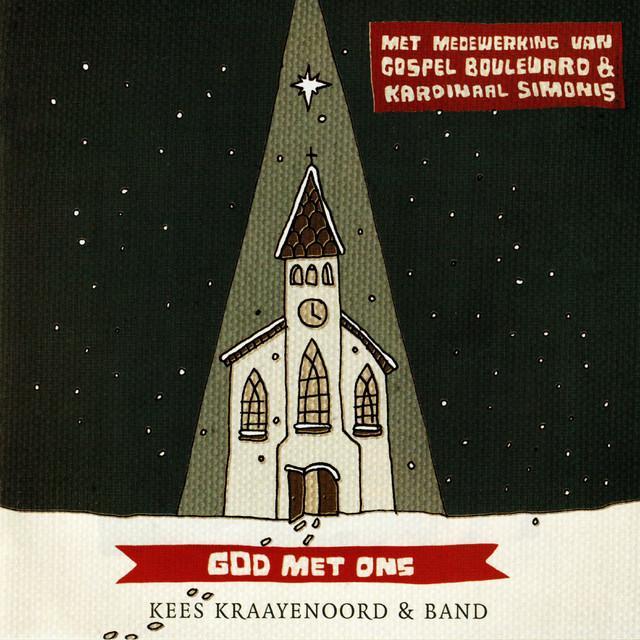
The meaning of Hoor, de eng'len zingen d'eer Kees Kraayenoord begins with a simple idea: Christmas is not only a sweet birth story, but a message of peace, rescue, and hope for all people. Kees Kraayenoord’s version presents that message in a worship setting, so the song lands as both a carol and a communal declaration.
"Hoor, de eng'len zingen d'eer" - Kees Kraayenoord
van de nieuwgeboren Heer!
Vreed' op aarde, 't is vervuld:
Loading lyrics...
Unable to load lyrics
We're unable to display the lyrics at this time. Please try again later.
This lyric is the Dutch form of the well-known Christmas hymn often linked to “Hark! the Herald Angels Sing.” In this version, the focus is not on private emotion. It is on public praise. The song invites whole nations to join heaven’s song and recognize the child of Bethlehem as the one who brings peace and restores the broken bond between God and humanity.
A Carol About Announcement, Not Nostalgia
At its core, the song is about a heavenly announcement. The opening idea, expressed in the short phrase de eng'len zingen d'eer
, frames Christmas as a cosmic event. Angels are not just decorating the scene. They are proclaiming honor to the newborn Lord.
That matters because the lyric quickly moves from wonder to meaning. The birth is presented as the answer to human guilt and division. When the song speaks of peace on earth and reconciliation, it suggests that Jesus’ arrival changes the human condition, not just the holiday mood.
For American listeners, that can be the key to understanding why the song feels more weighty than many modern Christmas tracks. It does not major in winter imagery or family nostalgia. It majors in theology: incarnation, salvation, and renewal.
How the Verses Build the Message
First movement: heaven speaks to earth
The first verse calls people into a bigger choir. The lyric about Vreed' op aarde
is not casual optimism. It presents peace as something fulfilled through divine action. Then the invitation to nations broadens the scope. Christmas is not only for one place or one people.
In plain terms, the song says: hear the announcement, then join it. The worshiper is not a spectator. They are asked to sing with heaven.
Second movement: the divine becomes human
The middle verse gives the song its deepest doctrine. It describes Christ as heavenly and eternal, yet born in time through a virgin. The phrases Vaders Zoon
and Woord dat vlees
condense a huge Christian claim: God enters ordinary human life.
This is why the Bethlehem image matters. The lyric places the holy inside the human family. Rather than staying distant, Christ comes near, sharing the conditions of human existence.
tussen alle mensen in
in het menselijk gezin
That brief section captures the carol’s warmth. The song is grand, but it is not cold. Its theology becomes intimate.
Third movement: glory lowered for rescue
The final verse turns toward response and purpose. It praises the one who gives peace and lays down glory to save humanity from death. The closing thought about becoming new and clean again points to spiritual rebirth.
Interpretation: this is where the song moves from Christmas story to personal transformation. The child in the manger matters because his coming makes renewal possible.
The Chorus Holds the Whole Theme Together
The repeated refrain about the angels singing honor to the newborn Lord works like a summary line. Every verse returns to praise because every idea in the song leads back there: peace, incarnation, rescue, and rebirth.
Interpretation: the chorus matters emotionally because it keeps listeners from treating the verses like abstract doctrine. Each return to praise says, in effect, that these truths are meant to be sung, not just studied.
Faith, History, and Kees Kraayenoord’s Context
Kees Kraayenoord is known as a Dutch worship leader and singer-songwriter working in contemporary Christian music, including projects highlighted on his official site. That context helps explain why this carol often feels congregational rather than theatrical.
The song’s credited writers include Hennie Ramaekers and Traditional (PD), which points to adaptation rather than a brand-new lyric. That is common with hymns and carols: each language version carries older theology into a new local voice. For context on the English hymn tradition behind this family of songs, the Britannica entry notes its long history and lasting place in Christmas worship.
In Kraayenoord’s hands, the song fits a worship culture that values singable melodies, clear declarations, and collective participation. That makes the lyric’s repeated calls to join the song feel natural rather than formal.
How the Sound Carries the Meaning
Even when arrangements vary, this kind of carol usually leans on bright harmonic movement, strong group vocals, and a steady lift into the refrain. Those musical choices support the song’s central message.
A few features matter most:
- Rising melody: it mirrors announcement and celebration.
- Full ensemble sound: it reinforces the lyric’s communal call.
- Majestic pacing: it gives dignity to the theology.
- Warm vocal delivery: it keeps heavy doctrine accessible.
Instead of sounding private or fragile, the music sounds open and public. That is exactly right for a lyric centered on proclamation. The arrangement tells listeners that this news should ring outward.
A Few Symbols That Unlock the Song
Several recurring images shape the meaning:
- Angels: messengers of divine truth and joy.
- Bethlehem: humility, nearness, and history.
- Peace: not mere calm, but restored relationship.
- Light and righteousness: moral healing and hope.
- New birth: inner renewal, not just external religion.
Together, these symbols explain why the song still resonates. It ties cosmic glory to ordinary human need.
Final Meaning of the Song
So what is the meaning of Hoor, de eng'len zingen d'eer Kees Kraayenoord? It is a Christmas worship song that celebrates Jesus as both heavenly king and human savior. It says his birth brings peace, answers human guilt, and opens the way to a new life.
Interpretation: listeners may hear it in two main ways. Some will receive it as a direct confession of Christian faith. Others may hear it more broadly as a song about hope arriving in a hurting world. Both readings are grounded in the lyric, though the song’s language is clearly theological.
In the end, its power comes from holding majesty and closeness together. Heaven sings, but the message arrives in a child.
Disclaimer: This interpretation is based on the lyrics, hymn tradition, and available artist context. Meaning can vary depending on a listener’s faith background, translation history, and performance setting.







