Why Kehlani and Masego "Hate the Club"
The meaning of Hate the Club Kehlani, Masego comes down to one hard truth: they keep going back to a place they do not even enjoy because someone they still want might be there. That idea gives the song its sting. It is not really about nightlife. It is about longing, pride, and how desire can push people into spaces that feel wrong for them.
"Hate the Club" - Kehlani, Masego
All of these whereabouts, what is a girl to do?
Say no to everything I'm invited to
Loading lyrics...
Unable to load lyrics
We're unable to display the lyrics at this time. Please try again later.
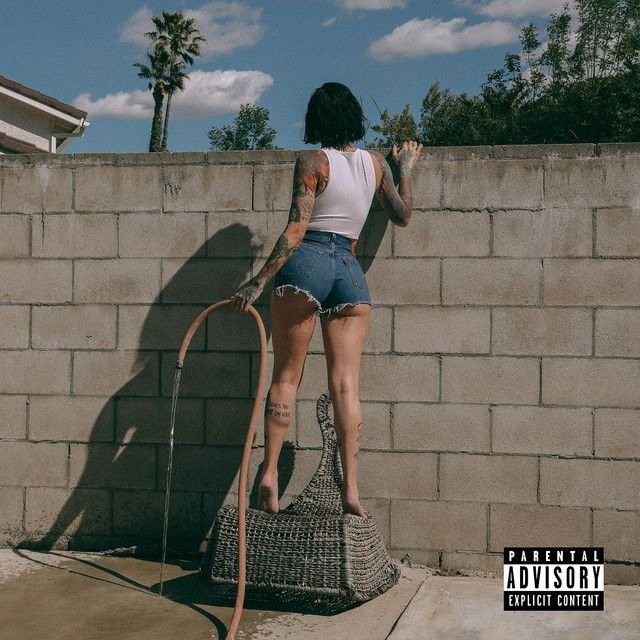
Kehlani released "Hate the Club" on their 2020 album It Was Good Until It Wasn't, with Masego appearing as a featured guest. The album arrived during a period when Kehlani was leaning into songs about messy love, relapse, and emotional honesty. The credited writers include Kehlani Ashley Parrish, Micah Davis, Jahaan Akil Sweet, and Yussef Dayes.
The Real Conflict Hiding in the Hook
At the center of the song is a contradiction. The narrator says they are tired of going out
and even afraid of seeing this person. But instead of staying home, they still walk into the club. The title phrase, hate the club
, is less a social complaint than an emotional confession.
They are not there for music, friends, or fun. They are there because the chance of a reunion matters more than comfort. That turns the chorus into a small act of self-exposure. They know exactly what they are doing, and they know it is probably a bad idea.
Interpretation: The song frames desire as a kind of self-betrayal. They claim they want distance, but their actions reveal the opposite.

Watch the official Hate the Club
music video
A Story of Avoidance That Turns Into Pursuit
The verses move like a short night-out narrative. First, the speaker tries to resist invitations and keep control. Then they appear alone, watching, waiting, and telling themselves not to act. Soon, self-control starts to slip.
That is why lines like section dolo
matter. Being alone in a crowded room makes the song feel more intimate, not more social. The club becomes a place of isolation, where every light and every drink only sharpens the focus on one person.
By the time the song reaches the chorus again, the emotional logic is clear:
But I came 'cause I knew you'd show up
Maybe if I drank enough
I'll make my way over to ya
Those lines reveal the plan they do not want to admit out loud. Alcohol is not just a party detail here. It acts like a bridge between hesitation and action.
What Kehlani’s Performance Adds
Kehlani sings the track with a mix of cool control and visible frustration. That balance matters. They do not sound wildly dramatic. Instead, they sound like someone trying to stay composed while losing the argument with themselves.
That controlled delivery makes the song more believable. Rather than presenting heartbreak as huge and theatrical, they present it as repetitive and familiar. It feels like a night they have lived before.
There is also a strong conversational quality in the writing. Small details about sections, friends, shopping, and seeing the other person in the room make the story feel lived-in. The specificity keeps the song from becoming generic regret.
Masego’s Verse Changes the Temperature
Masego’s appearance shifts the mood from pure tension to flirtation mixed with distrust. His lines are smooth, witty, and slippery at the same time. He adds charm, but he also adds uncertainty.
When he moves into playful admissions and half-serious promises, the song opens up another layer: both people may know this connection is unstable, and both may still want it anyway. His verse suggests mutual performance. Each person may be acting cool while still hoping the night leads somewhere private.
Interpretation: Masego’s part does not solve the emotional problem. It deepens it. He sounds seductive enough to explain why the narrator cannot let go.
How the Production Supports the Meaning
The production is sleek, late-night, and slightly hazy, matching the song’s emotional blur. Rather than sounding explosive, it glides. That matters because the song is built on restraint failing little by little, not all at once.
The beat gives enough bounce to suggest a club setting, but it never feels like a true party anthem. Its mood is softer, more inward, almost floating. That contrast mirrors the lyric idea: they are in a social space, but their attention is narrowed to one private obsession.
Masego’s musical style often blends jazz, R&B, and silky rhythm, and that influence helps the song feel sensual rather than chaotic. Kehlani’s style, especially around this era, often centered emotional directness over vocal excess. Together, they create a song that sounds polished but emotionally messy.
Symbols: The Club, The Drink, The Walk Over
Three motifs carry most of the song’s meaning:
- The club: a place they dislike but still enter, symbolizing emotional relapse.
- Drinking: a tool for lowering fear and pride.
- Walking over: the final move from fantasy into action.
Even the repeated idea of going antisocial
is telling. In a room built for social life, they only want one connection. Everything else is background noise.
So What Does "Hate the Club" Really Mean?
The meaning of Hate the Club Kehlani, Masego is not that they literally dislike clubs, though they may. The deeper meaning is that they hate what the club reveals about them. It exposes unresolved desire. It shows how quickly independence can collapse when an old flame appears.
The song understands a very modern kind of romantic weakness: being too self-aware to call it love, but too attached to walk away. That is why the track still connects. It captures the embarrassing, human gap between what people say they are over and what they still chase.
Final takeaway
Kehlani and Masego turn a nightlife setup into a sharp song about emotional backsliding. It is seductive, funny, and a little sad at once. Interpretation: listeners may hear either a toxic situationship or a believable moment of unfinished chemistry, and that ambiguity is part of the song’s appeal.
Disclaimer: This interpretation is based on the lyrics, performance, and publicly known song context. As with any song, meaning can vary from listener to listener.








