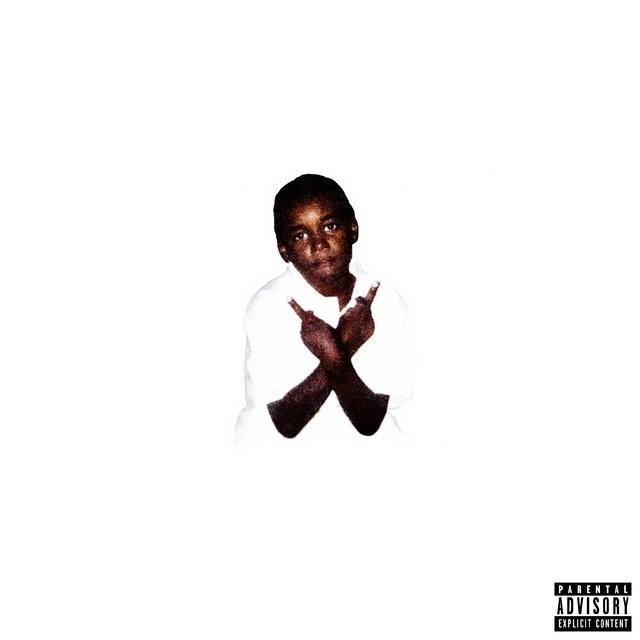
Freestyle 2 by Ken Carson
The meaning of Freestyle 2 Ken Carson starts with energy before it gets to plot. This is not a reflective song or a careful confession. It is a performance of force. Ken Carson stacks images of designer clothes, quick money, drugs, guns, and crew loyalty to create a world where status must be seen and weakness gets punished.
"Freestyle 2" - Ken Carson
Yeah
Uh, I put that hoe in Prada and after I made her holla
Loading lyrics...
Unable to load lyrics
We're unable to display the lyrics at this time. Please try again later.
In simple terms, the track is about dominance. They present themselves as someone who came from having little to having enough money and influence to ignore critics, reject late attention, and threaten rivals. That does not mean every line should be read as literal autobiography. Much of the song works like rap theater: exaggerated, shocking, and meant to project control.
What the song is really pushing
At its core, the song turns success into a weapon. When Ken Carson says their style came a long way
, the point is bigger than fashion. They contrast a past of having very little with a present full of luxury labels and expensive habits. The brag is not only “they made it.” The brag is that everyone else now has to see it.
The song also treats romance as part of that same power game. When attention arrives after success, they dismiss it as too late. That idea makes relationships feel transactional, not emotional. People are shown reacting to fame, money, and image, and Ken Carson answers by acting detached.
A darker thread runs beside the flexing. Violent lines appear again and again, making fear part of the persona. Interpretation: these threats help build the song’s central character: someone who wants to seem untouchable, emotionally cold, and always ready to escalate.
A voice built on image, not confession
One reason the meaning of Freestyle 2 Ken Carson hits so hard is the way the song speaks in bursts. There is no deep backstory. Instead, each line adds to a larger picture: designer pants, high-performance cars, cash withdrawals, drugs in the system, and enemies in danger.
That style fits Ken Carson’s place in the Opium scene led by Playboi Carti, a label known for punk-leaning trap aesthetics and chaotic atmosphere, as noted by coverage from outlets like Complex and The FADER. The point is not realism in a documentary sense. The point is impact.
When they boast about spending heavily on clothes, the message is clear: identity is being built through excess. When they say these hoes not my problem
, they reduce outside opinions to noise. That line supports the larger pose of emotional distance.
How the lyrics move from flex to threat
The song’s structure is simple but effective. It keeps cycling between three modes:
- Wealth and fashion
- Street threats and retaliation
- Intoxication and reckless confidence
That cycling matters. The luxury bars are not separate from the violent bars. They support each other. Wealth proves success, and threats defend that success. The result is a world where money, reputation, and danger are all linked.
A short phrase like countin' blues, countin' green
shows how cash becomes a constant visual image. Money is not just something they have; it becomes part of the song’s color palette and rhythm. Right after those kinds of flexes, the track swings back to weapons and revenge, which keeps the mood unstable.
Interpretation: that instability is the point. The song wants listeners to feel a rush where pleasure and danger blur together.
Why the beat matters so much
Production is essential to the meaning here. The track is associated with the blown-out, distorted trap style tied to F1lthy, whose producer tag appears at the start and who is widely connected to the Opium sound through reporting and credits databases such as Genius and Discogs. The beat feels harsh, repetitive, and pressurized.
That sound makes the lyrics hit like flashes instead of paragraphs. The bass and sharp percussion leave little room for tenderness or doubt. Even when the words are funny or absurd, the production keeps them menacing.
A phrase like Wake up, F1lthy
is more than a tag. It sets the mood immediately. The listener is entering a loud, unstable space where adrenaline is the main emotion.
Symbols that keep showing up
Several motifs shape the track’s meaning:
Luxury as proof
Prada, Balenciaga, and Vetements are not random details. They act like trophies. In this song, clothes are evidence of elevation.
Weapons as identity
The repeated gun references do more than threaten. They help define the speaker as someone who survives through force. That may be stylized, but it is central to the persona.
Drugs as blur
References to codeine and pills suggest altered perception. Interpretation: this drug haze helps explain the song’s slurred, reckless mood. It is not careful thinking; it is impulse turned into sound.
Group loyalty
Near the end, loyalty to the gang and the Opium brand becomes explicit. The individual flex grows into collective identity. That shift matters because it frames power as shared, not solo.
shouldn't have fucked with a membershouldn't have fucked with the gang
Those lines summarize the track’s social code: disrespect one person, and the whole group answers.
The strongest reading of the song
The best way to understand the meaning of Freestyle 2 Ken Carson is to hear it as an anthem of overstimulation. They combine wealth, lust, fashion, drugs, speed, and violence until everything feels maxed out. Even the jokes are aggressive. Even the bragging sounds unstable.
That is why the song connects with fans of rage rap. It offers a character who is bigger, louder, and less vulnerable than real life. The appeal is not wisdom. It is intensity.
Final takeaway
“Freestyle 2” is about building an image of total control through excess. Ken Carson turns luxury, danger, and detachment into one chaotic persona, and the production makes that persona feel huge.
This article offers an interpretation of the song’s themes and effects. As with most rap songs, some lines may be exaggerated, stylized, or character-based rather than strictly literal.







