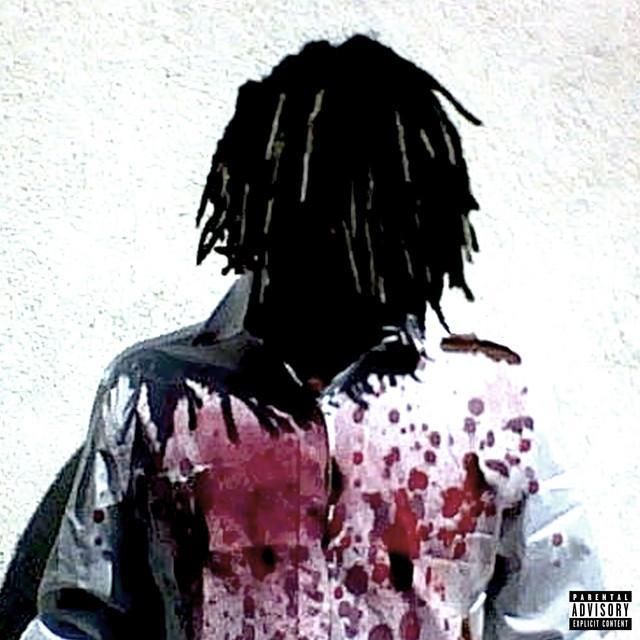
Ghoul by Ken Carson
What does a song like this really say beneath the noise? The meaning of Ghoul Ken Carson comes into focus when listeners hear it as both a flex anthem and a horror-tinted self-portrait.
"Ghoul" - Ken Carson
Fast forward, huh, I can't rewind
Huh, huh, your best whore, huh, couldn't compete with mine
Loading lyrics...
Unable to load lyrics
We're unable to display the lyrics at this time. Please try again later.
A Monster Mask for Fame and Control
At its core, "Ghoul" is about dominance. Ken Carson stacks boasts about money, clothes, women, and reputation until the song feels less like a diary and more like a character reveal. They are not trying to sound humble or reflective. They are building an image of someone too powerful to challenge.
That matters because the meaning of Ghoul Ken Carson is not hidden in one emotional confession. It comes from accumulation. Every threat, luxury reference, and taunt adds to a persona that feels cold, exaggerated, and almost supernatural.
Interpretation: the title "Ghoul" suggests that this version of Ken Carson is meant to feel inhuman. He is not just a successful rapper here. He is playing the role of a creature who feeds on chaos, attention, and fear.
How the Verses Build That Persona
The opening idea, Fast forward, huh, I can't rewind
, gives the song momentum right away. Paraphrased, they present life as something moving too fast to reverse. That line frames the rest of the track as nonstop motion: success, danger, and appetite all happening at once.
From there, the song keeps comparing their world to everyone else’s. When they say I'm top two, not two
, the point is simple: they do not want competition, only rank. The verse keeps returning to that idea through clothes, jewelry, cars, and social power.
Another key line is Everything I do intentional
. That phrase matters because it turns random flexing into design. They are saying the chaos is not accidental. Even if the song sounds wild, the image is controlled.
There is also a thread of paranoia and aggression. References to court, weapons, enemies, and retaliation make the song feel tense instead of playful. That tension helps explain why the title works. The speaker is not just stylish. They are dangerous.
More Than Flexing: Ambition Hiding in Plain Sight
One of the most revealing moments comes late, when the song shifts toward career goals. The repeated claim I'm goin' gold, I'm goin' plat'
sounds blunt, but it changes the song’s center of gravity.
Up to that point, many lines are about having more than rivals. Here, they focus on legacy. They want certifications, catalog growth, and proof that the persona converts into real industry power.
That makes the meaning of Ghoul Ken Carson broader than simple brag rap. The song is also about turning shock and style into permanence. They are not only trying to win a moment. They are trying to build a catalog that lasts.
Sound First, Then Meaning
Production is a huge part of the song’s effect. "Ghoul" appears on the digital edition of More Chaos, released April 11, 2025, through Opium and Interscope, and the track is credited to writers Kenyatta Frazier Jr. and Jordan Jenks with production by Pi'erre Bourne, according to the album’s documented credits and track details in available release information. The album itself has been widely described as rooted in rage and trap, with distorted bass, heavy 808s, and synthetic textures.
For this song in particular, published coverage described it as layering horror-style screams over a demonic beat. That is useful context because it tells listeners not to hear the track as realism alone. The production pushes it toward theater.
Interpretation: the beat makes everyday rap topics sound grotesque and oversized. Drugs, sex, wealth, and violence become part of a haunted carnival atmosphere. The music turns flexing into menace.
Pi'erre Bourne’s style also matters. Their beats often feel slippery, melodic, and uncanny at once. On "Ghoul," that kind of production helps Ken Carson sound like he is floating above the track rather than just riding it. The result is less grounded storytelling and more mood-based domination.
Where It Fits on More Chaos
"Ghoul" makes even more sense in the world of More Chaos. The album was largely recorded during and after the tour run following A Great Chaos, and coverage around the project described its mood as intense, gothic, and cyberpunk. Critics also noted that the album often leans into hedonistic flexing, taunts, and cult-like imagery.
This song fits that design almost perfectly. It condenses many of the album’s biggest ideas:
- success as spectacle
- aggression as identity
- fashion as status language
- chaos as a chosen lifestyle
Ken Carson reportedly described the larger Chaos idea as not caring too much about what is wrong, or seeing disaster as something that can still be useful. "Ghoul" sounds like that philosophy in song form. It does not clean up the mess. It weaponizes it.
A Few Strong Symbols Inside the Noise
Several motifs repeat enough to matter:
Black Clothing and Cold Detachment
When they keep returning to all black
, it works as more than a style note. Black suggests mourning, threat, glamour, and emptiness all at once. It is a simple image that supports the song’s undead aura.
Consumption and Excess
The song mentions drugs, shopping, women, and possessions in rapid bursts. Rather than slowing down to savor any one thing, they keep collecting. That makes desire feel endless and joy feel temporary.
Sports and Combat
Sports references, violent language, and competitive phrasing all blur together. In this world, romance, rap, street conflict, and shopping are all treated like games to win.
Final Take on the Song’s Core Meaning
The meaning of Ghoul Ken Carson is best understood as the sound of a rap persona becoming monstrous on purpose. They use horror aesthetics, flex-heavy writing, and career-minded ambition to present themselves as untouchable.
Interpretation: beneath the threats and boasts, the song reveals anxiety about status. A person does not keep announcing power unless power has to be defended. That is why "Ghoul" feels exciting and uneasy at the same time.
This reading is an interpretation based on the song’s lyrics, performance, and available release context. Different listeners may hear different meanings.








