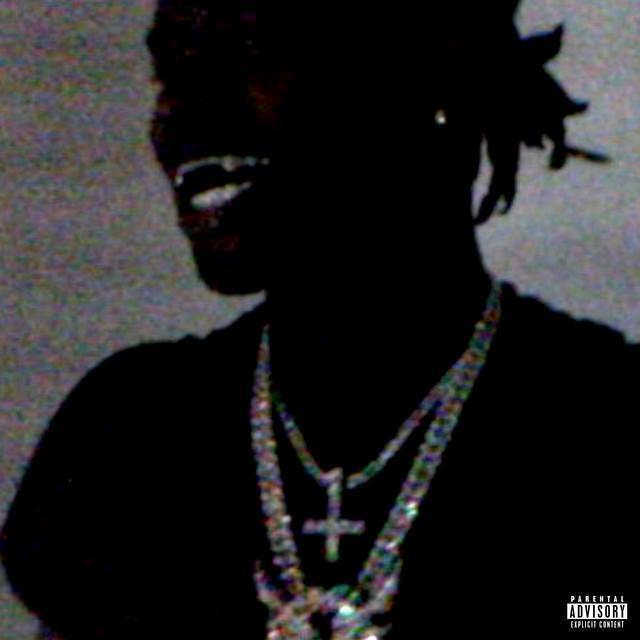
leather jacket by Ken Carson
In this track, Ken Carson turns fashion, loyalty, and recklessness into one blurred self-portrait.
"leather jacket" - Ken Carson
Provided by LyricFindLeather jacket on, look like a biker
Glock on the seat, huh, huh, I'm ridin' striker
That's my twin, that's my kin, yeah, that my for lifeLoading...Loading lyrics...
Unable to load lyrics
We're unable to display the lyrics at this time. Please try again later.
Why the Meaning Hits Hard
The meaning of leather jacket Ken Carson comes down to image as protection. The song is not built around a deep story with a clear beginning and end. Instead, it works like a mood board: a leather jacket, a car ride, a weapon nearby, drugs in the system, and a wall between the speaker and real intimacy.
Ken Carson is part of a newer Atlanta rap lane tied to Opium and a rage-driven sound that values atmosphere as much as plot. According to Interscope artist materials and major music databases like Genius and Apple Music, their work often blends punk-like attitude with trap phrasing and futuristic production. That context matters here, because the song’s meaning is carried by style just as much as by specific lines.
A Persona Built Like Armor
The title image is the key symbol. When they say Leather jacket on
, they are doing more than describing an outfit. They are putting on a role. The jacket suggests a biker look, which brings ideas of danger, speed, rebellion, and emotional distance.
That image connects with the line look like a biker
. The song frames identity as something worn on the body. In that sense, the track is about performing toughness so completely that it becomes a shield.
Interpretation: The leather jacket may represent a public self that hides vulnerability. The speaker sounds confident, but the song keeps hinting that this confidence is defensive.
Loyalty, Isolation, and the Closed Circle
One of the clearest themes is loyalty to a tiny inner circle. The phrase that’s my twin
reduces trust to one chosen person. Everyone else feels temporary, suspect, or disposable.
That same pattern appears in the song’s treatment of romance. The speaker keeps emotional distance, saying women are allowed only brief access. Even when they bring up trying to love someone, the memory sounds unresolved rather than warm. They asked for certainty and did not get it, so the response becomes colder.
This is where the song gets more interesting than a simple flex track. They are bragging, but they are also admitting disappointment. Status and attitude fill the space where mutual trust should be.
The Emotional Crack Beneath the Flex
The middle section briefly opens up. The speaker says they tried to love, asked for reassurance, and never got a clear answer. That matters because it changes how the rest of the song sounds.
Without that moment, the track would just be about style, sex, and intimidation. With it, the song starts to sound like someone using motion and excess to avoid sitting with rejection.
I ain't never fall in love with you, but I tried
I asked you if you loved me
and you never decided
That short passage is the song’s emotional hinge. It shows indecision on one side and emotional retreat on the other. After that, the speaker falls back into substances, threats, and posture.
Drugs, Speed, and Numbness
The references to ecstasy, Hennessy, and pints and pounds
are not random details. They help describe a state of chemical escape. The song’s world is always moving, always lit, always on the edge of a fight or a thrill.
In plain terms, the speaker seems to use intoxication to keep feelings blurred. Drugs become part of the same armor system as the leather jacket. Both protect against stillness. Both keep the body activated while the heart stays guarded.
Interpretation: The song may be less about pleasure than about emotional management. The highs are there, but so is the emptiness that makes them necessary.
Violence as Image and Threat
The line Glock on the seat
helps define the song’s atmosphere. It signals danger, but it also functions as part of the look. In this world, objects are symbols first and practical details second.
That does not mean the violence is meaningless. It raises the tension of every other line. Loyalty feels more intense when danger is close. Emotional coldness feels more believable when the environment sounds hostile.
There is also a burial image later in the verse that pushes the track into darker territory. Rather than building a literal narrative, it expands the song’s sense of menace. The speaker wants to seem untouchable, and these lines support that image.
How the Production Carries the Meaning
The production credit provided here lists Rupert Howarth as a writer, and the beat style fits the synthetic, clipped, high-impact sound common in Ken Carson’s catalog. Fans and critics often place that sound under rage rap or experimental trap, as seen in coverage from outlets like Pitchfork and The Fader.
Musically, the beat feels sparse but hard-edged. The low end gives the song weight, while the repetitive vocal rhythm creates a trance effect. Ad-libs and short bursts like huh, huh, huh
act almost like percussion.
That matters because the song is built on repetition. The hook does not deepen the story; it locks the listener into a cycle. That cycle mirrors the life being described: same clothes, same ride, same substances, same guarded emotions.
Final Take on the Song’s Message
The meaning of leather jacket Ken Carson is really about self-construction. The song shows a speaker building an identity out of fashion, loyalty, intoxication, danger, and detachment. They want to look invincible, but a few lines reveal why that image exists in the first place.
So the track lands as both a flex and a defense mechanism. It sounds cold on purpose. Behind the biker pose, there is a person trying not to feel too much.
Disclaimer: This interpretation is based on the lyrics provided, publicly known artist context, and the song’s sound. As with most rap songs, some lines may reflect persona, exaggeration, or style rather than literal autobiography.








