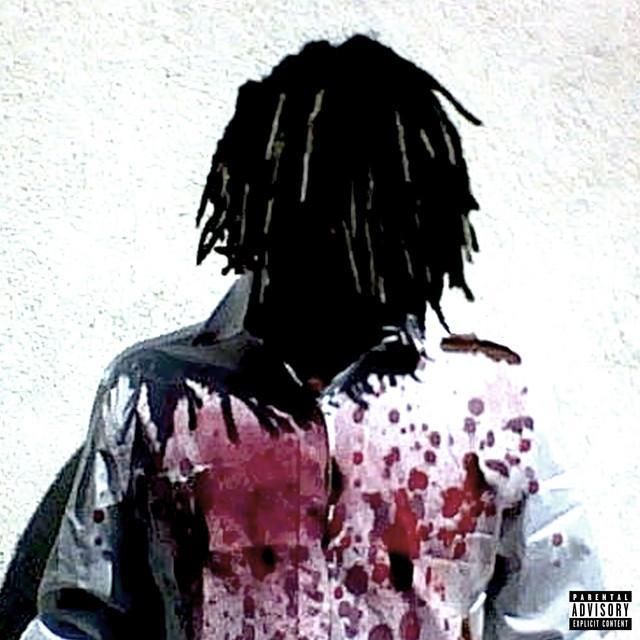
Why Ken Carson Calls Himself Chaos
The meaning of Lord Of Chaos Ken Carson starts with a simple idea: they turn disorder into status. In this track, Ken Carson does not describe chaos as random bad luck. They present it as a force they control, whether that means surviving the streets, commanding a crowd, or moving through fame with a reckless edge.
"Lord Of Chaos" - Ken Carson
I'm the lord of chaos, I got the moshpit in control (star boy, you're my hero)
When I signed to the label, ha, they struck gold
Loading lyrics...
Unable to load lyrics
We're unable to display the lyrics at this time. Please try again later.
That makes the song feel bigger than a basic flex record. It is still full of money talk, threats, sex, and style, but the hook gives those details a theme. Chaos becomes a brand, a mindset, and a warning.
The Core Message Hiding in the Brags
At the center of the song is a rise-to-power story. Ken Carson frames success as escape: they came from a harder environment, signed a deal, and now move with money and confidence. The line about making it out of the hood sets that path early, and the rest of the verse expands it into a picture of total dominance.
When they repeat lord of chaos
, the phrase works like a mission statement. They are not just saying life around them is wild. They are saying they have learned how to thrive inside that wildness and even lead it.
Interpretation: this is why the song feels so aggressive. The point is not calm success. The point is success that still carries danger, speed, and unpredictability.
A Persona Built on Control, Not Confusion
One of the smartest parts of the song is the contradiction in its title. Chaos usually means loss of control. Ken Carson flips that idea by pairing chaos with power. They claim the room, the street, and especially the live show.
That is why the moshpit image matters. When they say moshpit in control
, they are connecting rap stardom to physical crowd energy. It is a way of saying they do not only make songs; they move bodies.
This fits Ken Carson’s place in the Opium orbit, where punk-like intensity, blown-out synths, and fashion-heavy menace are all part of the image. Ken Carson is signed to Playboi Carti’s Opium label, a key fact in understanding the aesthetic world around the song.
The Story the Verses Tell
The verses move fast, but they follow a clear logic:
- They escaped poverty and turned that into self-worth.
- They treat the label deal as proof of value.
- They display wealth, weapons, and fashion as signs of survival.
- They warn others that weakness gets exposed in their world.
- They turn all of that into a single identity: chaos personified.
Short phrases like struck gold
and went all black
help build that image. One is about commercial value. The other is about style and mood. Together, they show how business success and dark presentation work side by side.
Dark Symbols, Fast Money, and Street Pressure
Several details deepen the song’s meaning beyond simple boasting. The pentagram tattoo line, for example, is less a literal confession than an image of outsider identity. They know people project meaning onto their look, and they use that reaction to seem more intimidating.
The same goes for repeated references to weapons, robbery, and moving first. These lines create a world where hesitation is dangerous. In that setting, chaos is not just aesthetic. It is survival logic.
I'm the lord of chaos, I'm the lord
I'm the lord of chaos
That short refrain matters because it strips the song down to identity. After all the details about money and violence, the hook says the real point is self-definition.
How the Sound Carries the Meaning
Even without full production credits confirmed here, the song clearly uses the blown-out, high-energy rage style associated with Ken Carson’s catalog. The tag references Outtatown and star boy, producers often tied to this sound in Opium-adjacent rap. Their style usually favors distorted synths, heavy bass, and a feeling of motion rather than warmth.
That matters for meaning. The production does not soften the lyrics. It amplifies them. The beat likely feels mechanical, loud, and unstable, which matches a narrator who says all gas
and refuses brakes.
Their vocal delivery also helps. Ken Carson often uses clipped, confident phrasing that makes even absurd boasts sound blunt and factual. Here, that delivery turns the song into a performance of nerve.
Two Strong Ways to Read the Song
Interpretation 1: A victory anthem. They escaped the bottom, gained money, and now treat every line as proof that they won. In this reading, chaos is the fuel behind ambition.
Interpretation 2: A portrait of success that still feels unsafe. Even after getting rich, the world of the song stays tense. They still talk like someone who expects conflict at any moment. In that reading, chaos is not only power. It is also the condition they can never fully leave.
Both readings fit because the song mixes celebration with threat. It sounds triumphant, but never relaxed.
Why the Hook Sticks
The meaning of Lord Of Chaos Ken Carson becomes clearest in the repetition. By saying chaotic
again and again, they turn personality into slogan. That repetition makes the song memorable, but it also shows how branding works in modern rap: a performer takes a mood and makes it a name.
For fans, that is part of the appeal. The song offers a sharp, easy-to-grasp image of Ken Carson as the ruler of loud rooms, dark style, and unstable energy.
Final Take on Ken Carson’s Message
“Lord Of Chaos” is about more than being reckless. It is about converting disorder into power, image, and momentum. Ken Carson presents chaos as something they mastered, and the song’s beat, hook, and imagery all reinforce that claim.
That is why the track lands so hard: it makes instability sound like authority.
Disclaimer: This article offers interpretation based on the released lyrics, performance style, and publicly available artist context. Song meanings can vary by listener.







