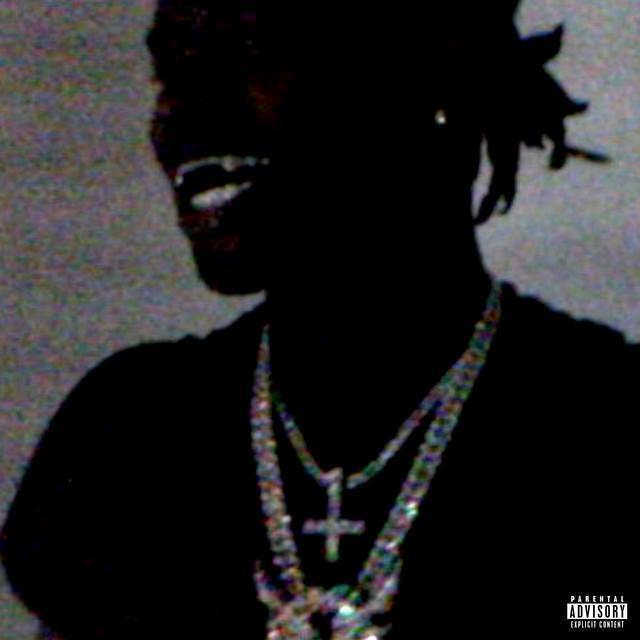
Lose It by Ken Carson
The meaning of Lose It Ken Carson comes down to one core idea: a person trying to stay in control while everything around them pushes toward numbness, rage, and collapse.
"Lose It" - Ken Carson
Provided by LyricFindMolly, jaw locking I can't feel shit
I been popping pills all year, yeah
She been popping pussy like a pill, yeahLoading...Loading lyrics...
Unable to load lyrics
We're unable to display the lyrics at this time. Please try again later.
At the Center, a Threatened Mind
Ken Carson’s “Lose It” is built like a rage song, but its real hook is emotional pressure. On the surface, they rap about drugs, sex, wealth, weapons, and enemies. Under that surface, the song keeps returning to one simpler truth: they are not okay.
That is why the repeated line I'm 'bout to lose it
matters so much. It is not just a catchy refrain. It reframes the verses as symptoms of overload. The flexes, threats, and brand-name details start to sound less like victory and more like armor.
Interpretation: The song suggests that status does not calm the speaker down. It only gives them louder ways to act out what they are already feeling.
The Verses Turn Numbness Into a Lifestyle
Early in the song, Ken Carson describes chemical numbness with I can't feel shit
. That phrase is blunt, but it does important work. It tells listeners that the speaker’s world is not only dangerous and flashy; it is emotionally deadened.
The song piles that numbness next to movement upward. They leave the block for the hills, but they also insist they still live with a hood mindset. That contrast shows a split identity: richer surroundings, same inner tension. They can upgrade their location, but not their state of mind.
Another key admission is I been going through it
. Unlike the tougher lines around it, this one is direct. There is almost no mask on it. That makes it the emotional hinge of the song.
The Most Revealing Moment in the Track
The clearest line in “Lose It” may be the one that drops the performance for a second and explains the whole song’s purpose:
The only way I express myself
is through my music
That brief confession changes how the rest of the track reads. Suddenly, the chaos is not just content. It is communication. The speaker may not know how to explain pain in a calm conversation, so they turn it into a loud, distorted, hostile song instead.
This is where the meaning of Lose It Ken Carson becomes sharper. The track is not only about losing control. It is about using music as the last available outlet before that loss fully happens.
Violence as Image, but Also as Panic
A large part of the song uses violent talk and warlike imagery. There are lines about weapons, enemies, and getting the upper hand. Those details fit Ken Carson’s larger rage-rap style, especially within the Opium aesthetic tied to blown-out production, dark fashion, and chaotic energy associated with the label founded by Playboi Carti, as covered by outlets like The Fader and Complex.
Still, the threats in “Lose It” do more than project power. Interpretation: They also suggest paranoia. When the speaker talks like everyone is a possible target or threat, it creates a world where calm is impossible. Aggression becomes self-defense, image maintenance, and emotional leakage all at once.
That is why the song feels so unstable. It never settles into pure boasting. Every claim of power is shadowed by stress.
Sound First, Meaning Second—and Then Together
Ken Carson’s music is often described as part of rap’s rage lane, a style known for abrasive synths, clipped hooks, and adrenaline-heavy delivery, discussed by publications such as Pitchfork and Rolling Stone. “Lose It” leans hard into that approach.
The production is crucial to the song’s meaning. Instead of giving the confession a soft backdrop, the beat makes everything feel louder and more dangerous. Heavy distortion, repetitive phrasing, and pounding momentum trap the speaker inside their own mental spiral. The sound does not soothe the emotion; it amplifies it.
That choice matters because a calmer beat might have made the song sound reflective. This one sounds immediate. They are not looking back on a bad period. They are still in it.
Luxury Details Do Not Equal Peace
Fashion and jewelry appear throughout the song, including references to Rick Owens, Vetements, New Rock, and diamonds. Those are not random name-drops. They help build the persona: stylish, expensive, untouchable.
But the track keeps undercutting that image. Even while dressed up and visibly wealthy, they still admit distress. The line about being Opiumed out
captures that mix well. It suggests total immersion in a scene, a druggy blur, and a brand-like identity all at once.
Interpretation: The song implies that taste, money, and subcultural cool cannot solve inner damage. They can only decorate it.
Songwriting Credits and Artistic Context
The user-provided writing credits list Gabriel Rousseau, Keifa Carter, and Kenyatta Lee Jr. Frazier. Ken Carson, born Kenyatta Lee Frazier Jr., is an Atlanta artist tied to the Opium orbit, a context documented in artist profiles by sources like AllMusic and Genius.
That background helps explain why “Lose It” blends confession with menace. In this creative lane, emotional honesty often arrives through distortion, repetition, and extreme imagery rather than plainspoken storytelling.
Why the Chorus Hits So Hard
The hook works because it is simple, repetitive, and unstable. Please don't push me to the edge
sounds like a warning, a plea, and a threat at once. Then the repeated refrain turns that warning into a countdown.
Listeners do not get resolution. They get escalation. That unresolved feeling is the point.
Final Take on the Song’s Meaning
The meaning of Lose It Ken Carson is not just about anger. It is about someone using rage, drugs, fashion, and violence to cover pain they cannot express any other way. The song’s loudest moments are also its most revealing ones.
In that sense, “Lose It” is both a flex record and a distress signal. It sounds powerful, but it also sounds cornered.
Disclaimer: This interpretation is based on the lyrics provided, artist context, and the song’s production style. Like most songs, it can support more than one valid reading.








