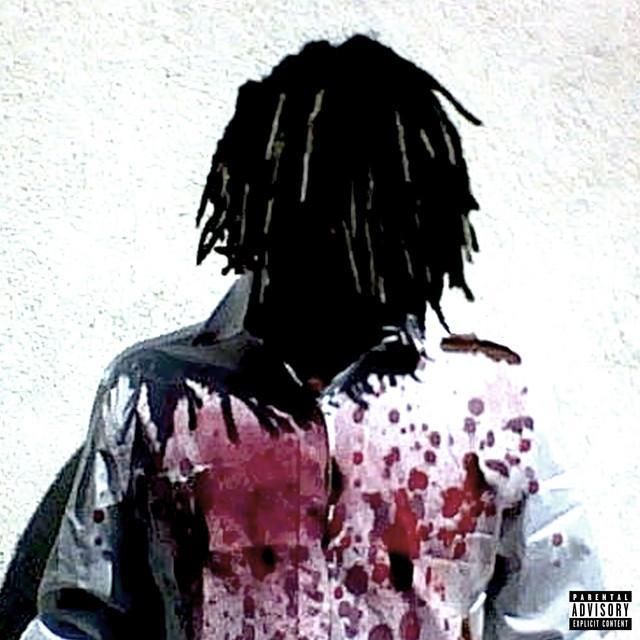
Why "Xposed" by Ken Carson Hits So Hard
The meaning of Xposed Ken Carson becomes clearer once they hear how the song mixes victory laps with threats. On the surface, it is a flex-heavy track about money, fashion, women, and rivals. Under that surface, it is also about control: control of image, crowd energy, and the story people tell about them.
"Xposed" - Ken Carson
One for the money, two for the show
Three for these mad-ass, sad-ass hoes
Loading lyrics...
Unable to load lyrics
We're unable to display the lyrics at this time. Please try again later.
“Xposed” is track two on More Chaos, Ken Carson’s fourth studio album, released April 11, 2025, through Opium and Interscope. It was written by Kenyatta Frazier Jr., Johnny Peng, and Keifa Carter, and produced by Legion and Skai. The album debuted at No. 1 on the Billboard 200, giving Ken Carson his first chart-topping album in the United States.
A Song About Winning by Calling Everyone Else Fake
At its core, “Xposed” is about public dominance. Ken Carson presents themself as someone whose success is obvious the moment they enter a room. Early lines draw a contrast between real wealth and online talk, setting up the song’s main target: people who perform toughness but cannot back it up.
That is why the hook matters so much. When they repeat all my opps getting exposed
, the point is not just that enemies are losing. The point is that their image is collapsing in public. In this song, exposure means humiliation.
There is also a class angle running through the track. Ken keeps measuring people by what they can actually do, buy, or risk. Bragging without results becomes proof of fraudulence. So the song’s insults are less random than they seem. They build one argument: success is real only if everybody can see it.
The Hook Turns Bragging Into a Mission Statement
The chorus opens with a familiar counting phrase, one for the money
, but Ken Carson twists that old setup into something meaner and more sarcastic. Instead of leading into a fun party record, it turns into a list of targets and priorities: money first, spectacle second, rivals beneath both.
That choice says a lot about the song’s worldview. Everything becomes transactional. Romance, beef, luxury, and performance all sit under the same value system. Even a joke about fast food versus Nobu works this way: it shows power by showing indifference. They decide what someone gets, not the other way around.
Interpretation: This is why “Xposed” feels colder than a simple boast track. Ken is not asking for approval. They are acting like approval is already theirs.
Threats, Trolls, and the Pressure of the Persona
Many lines attack people who talk big online or in songs but do little in real life. One of the sharpest dismissals is he a troll
. That phrase reduces an enemy from dangerous rival to noisy internet nuisance.
Still, the song is not only playful. It keeps returning to violence and consequences. Near the end, Ken asks, in effect, what happens when grief becomes real. That question gives the track a darker edge than some of its punch lines suggest.
How you mourn?What you gon' do when that pain hit?
Those lines matter because they break the rhythm of nonstop flexing. For a moment, the song stops clowning people and starts warning them. In that shift, “Xposed” becomes less about jokes and more about survival in a hostile environment.
Fashion, Myth, and Self-Creation
Another key part of the meaning of Xposed Ken Carson is self-invention. Ken Carson talks about buying everything they like, changing other people’s lives with money, and noticing that others copy their style. These are not small side details. They are central to how the narrator defines power.
When they compare themself to heroes and tricksters, including T’Challa and Loki, the song suggests two versions of the same persona. One side is royal, admired, and untouchable. The other is chaotic, sly, and hard to pin down.
That split fits Ken Carson’s larger image inside Opium, the Atlanta collective known for pushing rage rap into a dark, punk-influenced space. Critics have described More Chaos as a continuation of that aggressive aesthetic, with Pitchfork calling attention to its live-show focus and The New York Times describing the album’s mood as “agitated anxiety.” “Xposed” fits that frame almost perfectly.
Why the Beat Sounds Like a Public Callout
The production is a huge part of the song’s meaning. Reports on More Chaos describe its sound as built from distorted bass, hard 808s, and sharp synth design. “Xposed” specifically has been noted for its skittering synthesizers, which gives the track a restless, twitchy motion.
That matters because the beat does what the lyrics do. It does not relax. It needles, pushes, and crowds the listener. Ken’s delivery then rides over the top with a half-sneer, half-shout energy that suits lines like band for band
and bread, bread, shawty
. The words are simple, but the performance turns them into pressure.
Interpretation: The sound makes the song feel like a confrontation happening in real time. It is less a story than a wave of intimidation.
Where “Xposed” Sits on More Chaos
As the second track, “Xposed” helps define the album’s early attack mode. Reviews of More Chaos often note that the first half is more aggressive and festival-ready than the later songs. That placement matters. Right after the opener, “Xposed” tells listeners exactly what kind of world they are in: loud, suspicious, competitive, and built for the pit.
It also shows one of Ken Carson’s strengths. They can turn blunt writing into memorable attitude. The bars are not trying to be delicate or deeply poetic. They are trying to hit fast and stick.
Final Take on the Song’s Meaning
So, what is the meaning of Xposed Ken Carson? It is a song about exposure as power: proving they are real by treating everyone else as fake, soft, broke, or behind. Money and style are part of that message, but the deeper point is authority.
“Xposed” works because it sounds like a public unmasking delivered over a beat built for chaos. Interpretation: Beneath the flexing, the song is about maintaining dominance in a world where image can be as important as truth.
Disclaimer: This interpretation is based on the lyrics, production, and available artist context. Song meaning can remain open to different listener readings.








