Why “Andalouse” Feels Like Love at First Sight
The meaning of Andalouse Kendji Girac starts with motion. This is not a reflective breakup song or a deep character study. Instead, it captures the split second when attraction becomes all-consuming. A woman arrives, dances, and seems to change the room around her. For the narrator, that feeling is so strong that it blurs into something bigger—maybe desire, maybe fantasy, maybe love.
"Andalouse" - Kendji Girac
Danser sur des airs de guitare
Et puis tu bouges
Loading lyrics...
Unable to load lyrics
We're unable to display the lyrics at this time. Please try again later.
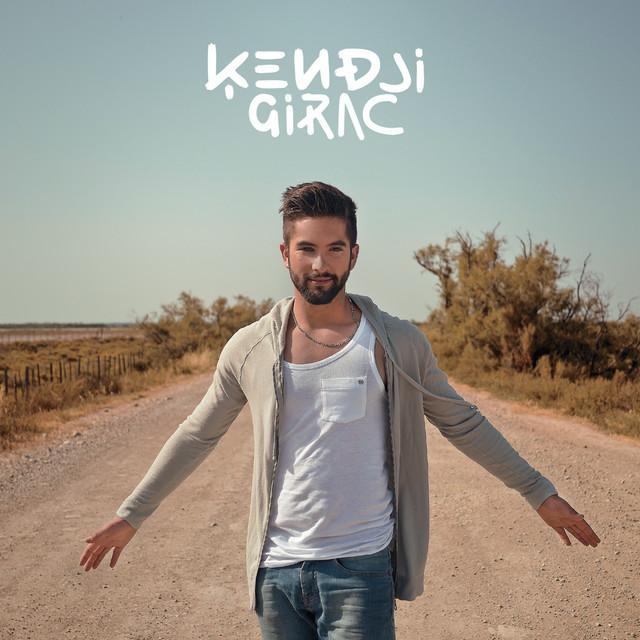
Kendji Girac released “Andalouse” in 2014 as part of his self-titled debut era, the breakthrough period that followed his rise on The Voice in France. The track is credited to Christian Dessart, Rachid Mir, and Nazim Khaled, the writers named in the song’s credits. Those facts matter because the song was built to introduce Girac’s bright mix of pop, guitar, and Iberian-flavored rhythm to a broad audience.
The Heart of the Song: Attraction That Takes Over
At its core, “Andalouse” is about being overwhelmed by someone’s presence. The verses describe a woman who appears in the evening and dances to guitar music. From there, the lyrics keep narrowing their focus: her hair, lips, eyes, voice, shoulders, movement. The narrator is not telling a long story. They are locked in a moment of attention.
That is why short phrases like “le temps s'arrête”
and “je perds la tête”
matter so much. Paraphrased, the chorus says time seems to stop and the singer loses their sense of direction and self-control. In plain English, this is the emotional language of infatuation.
Interpretation: The song is less about a full relationship than about the instant when attraction feels absolute. It presents love not as stability, but as a rush.

Watch the official Andalouse
music video
Who Is the “Andalouse”?
The title points to an Andalusian woman, and the chorus also calls her a Spanish beauty. In the song, she stands for warmth, fire, rhythm, and glamour. The lyrics tie her to the south, heat, and dance, giving her an almost symbolic role.
This matters for the meaning of Andalouse Kendji Girac because the woman is described through sensation more than biography. She is associated with color and energy: dark eyes, red lips, a burning heart, swaying movement. Even “le sud et le feu”
turns geography into emotion.
Interpretation: She may be a real person inside the song, but she also functions as an ideal. The narrator is in love with what she represents: passion, freedom, and irresistible movement.
How the Chorus Turns Desire Into “Love”
The smartest part of the writing is the last line of the hook. After piling up signs of fascination, the singer lands on “C’est peut-être ça, l’amour”
. In context, that means: maybe this dizzy, world-blocking feeling is love.
That word “maybe” is important. It keeps the song light and believable. The narrator is not making a mature promise. They are guessing, caught inside the thrill of the moment.
Quand tu danses, le temps s'arrête
Je perds le nord, je perds la tête
Those lines sum up the emotional logic of the song. Her dancing does not just look beautiful; it changes his sense of time and balance. Love, in this song, feels like disorientation.
The Images That Carry the Meaning
Several recurring images shape the song’s world:
- Fire and heat: They suggest desire, intensity, and danger.
- Light and sun: These images make her seem life-giving and impossible to ignore.
- Night and dance: The evening setting adds romance and performance.
- The body in motion: Shoulders, swaying, and voice all pull the narrator deeper in.
When the lyric says she burns and wakes him, it implies that attraction is not passive. It shocks him into feeling more alive. Another phrase, “tu m'éclaires”
, presents her like a private source of light. That exaggeration is part of the song’s style: emotion becomes physical.
Why the Music Matters So Much
“Andalouse” works because its sound matches its subject. The guitar-led arrangement, hand-percussion feel, and dance-ready pulse create a warm, festive atmosphere. Even without understanding every French line, listeners can hear flirtation and momentum.
Girac’s vocal style is also key. He sings with bounce rather than heaviness, which keeps the song from sounding tragic or obsessive. The repeated dance call “baila, baila”
turns the track into participation, not just observation. That hook pulls the listener into the same spell that traps the narrator.
For U.S. listeners, this is one reason the song travels well. Its meaning comes through sonically: guitar, rhythm, repetition, and bright melody all say the same thing as the lyrics—this person has taken over the room.
A Note on Artist Context
Kendji Girac became known for blending mainstream French pop with acoustic guitar and Mediterranean or Latin touches, a style that helped define his breakout image in the mid-2010s. “Andalouse” fits that identity perfectly. It is polished for pop radio, but it keeps enough rhythmic flair to feel rooted in dance and southern color.
That context matters because the song is not trying to be subtle realism. It is a star-making single. Its job is to make charisma audible.
One More Reading: Is It Also About Idealization?
There is another way to hear the song. The narrator describes surfaces—dance, beauty, eyes, voice, shoulders—but reveals almost nothing about the woman herself. That opens a second reading.
Interpretation: “Andalouse” may also be about projection. The singer could be falling in love with an image, or with the feeling she creates, more than with a known person. That does not weaken the song. It may actually be the point: early attraction often begins with imagination.
The Takeaway Behind the Romance
The meaning of Andalouse Kendji Girac is simple in the best way. It captures the instant when a dancer becomes the center of someone’s world, and when desire feels so intense that it starts to resemble love. The lyrics, melody, and rhythm all push toward the same idea: fascination can feel like fate when the moment is hot enough.
That is why the song still connects. It understands that before love becomes a story, it is often just a look, a movement, and a mind spinning out of control.
Disclaimer: This article offers an interpretation of the song based on its lyrics, musical style, and public context. Meaning can vary from listener to listener.







