Why 'Coward Of The County' Still Hits Hard
For anyone searching for the meaning of Coward Of The County Kenny Rogers, the short answer is this: it is a story about the cost of restraint, the burden of a family promise, and the moment when patience turns into action.
"Coward Of The County" - Kenny Rogers
He'd never stood one single time to prove the county wrong
His mama named him Tommy, but folks just called him Yellow
Loading lyrics...
Unable to load lyrics
We're unable to display the lyrics at this time. Please try again later.
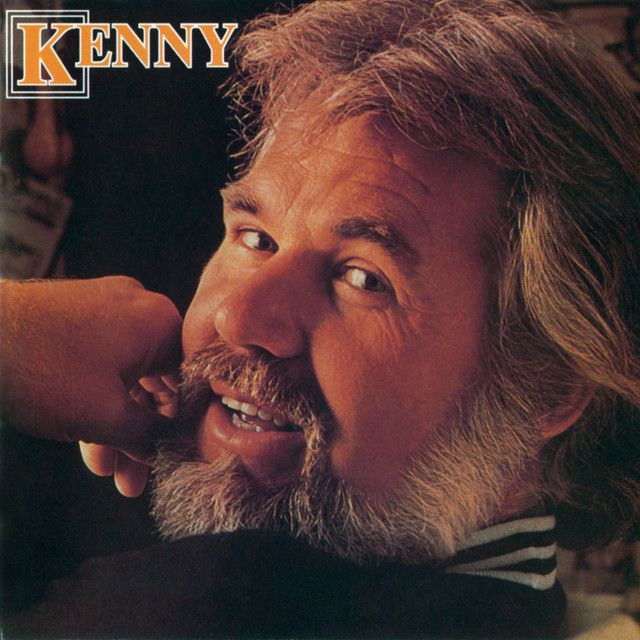
Released in 1979 on Kenny, the song was written by Roger Bowling and Billy Edd Wheeler and produced by Larry Butler. It became one of Rogers' signature story songs, reaching No. 1 on the country chart and No. 3 on the Billboard Hot 100, according to widely cited chart histories and song references. Those facts help explain why the song still feels so large in country-pop memory: it was not just a hit, it was an event.
A Story About Strength, Not Weakness
At the center is Tommy, a man the town mocks as coward of the county
. But the song quickly suggests the town has misunderstood him. He is not passive because he lacks courage. He is holding himself back because his father, who died in prison, asked him to choose a better life.
That message shapes the song's moral core. Tommy grows up hearing that he does not need violence to prove manhood. The famous line about not having to fight to be a man is the lesson everything else pushes against. In plain terms, the song says self-control can be brave.
Interpretation: The song's first twist is that Tommy's so-called cowardice is really discipline. The community sees silence and assumes fear. The song sees silence as effort.
Watch the official Coward Of The County
music video
The Plot Turns on a Broken Promise
The story changes when Becky, Tommy's love, is attacked by the Gatlin boys. The lyrics handle this with blunt but spare storytelling. They do not dwell on details, but the emotional damage is unmistakable.
Tommy comes home, sees Becky's pain, and reaches for his father's memory. That is one of the song's strongest moments because it turns the conflict inward before it turns outward. The real battle is not in the barroom yet. It is inside Tommy, between the rule he has lived by and the harm done to someone he loves.
When the crowd thinks Old Yellow's leaving
, the song sets up its most famous reversal. Tommy appears ready to walk away again. Then he stopped and locked the door
. In one motion, the song flips the town's judgment on its head.
Why the Ending Feels So Complicated
The final fight gives the song its dramatic release, but it also makes the meaning harder, not simpler. Tommy says he tried to avoid trouble when I can
, but now he believes sometimes you gotta fight
.
That is why the ending remains debated. On one level, it is revenge. On another, it is a tragic failure of the peaceful life his father wanted for him. The song does not present violence as noble from the start. It presents it as the point where Tommy's restraint finally breaks.
Interpretation: A careful reading suggests the song is less a celebration of fighting than a story about limits. Tommy's choice may feel justified inside the narrative, but it still carries sadness. He has not escaped his father's legacy; he has, in part, repeated it.
The Narrator Matters More Than It Seems
The song is told by Tommy's uncle, not by Tommy himself. That choice gives the story both warmth and distance. The uncle believes from the beginning that people were reading Tommy wrong
, so the song becomes a defense of Tommy as much as a report on events.
That narrative setup matters because it shapes sympathy. Listeners are not hearing gossip from the town. They are hearing someone close to Tommy who understands the family history and sees the pressure behind Tommy's choices.
How Kenny Rogers' Delivery Sells the Meaning
Part of the power comes from Rogers' voice. He had already become known for narrative songs like "The Gambler," and this track uses that same calm, controlled authority. He does not oversing the drama. He lets the story do the work.
The production helps too. The arrangement stays grounded in country, but it is polished enough for pop radio, which helps explain its crossover success. The steady tempo, clear acoustic framing, and gradual lift in intensity mirror Tommy's emotional pressure. By the time the story reaches the barroom, the music feels tighter and heavier, even without becoming flashy.
That restraint is important. A more explosive performance might have turned the song into simple revenge fantasy. Rogers and producer Larry Butler keep it measured, which preserves the moral tension.
Context, Controversy, and Legacy
The song was written by Billy Edd Wheeler and Roger Bowling, with reports noting Wheeler brought the underdog idea while Bowling helped shape the title and story. It later inspired a 1981 TV movie starring Rogers, which shows how naturally the song fit visual drama.
There was also long-running controversy around the name "Gatlin boys," since some listeners linked it to Larry Gatlin and the Gatlin Brothers. Public comments over the years denied clear intent, and Rogers reportedly said he would have changed the name if he had known it would cause that issue. That footnote matters historically, but it is not the key to the song's meaning.
Why the Song Endures
What keeps the song alive is its uneasy question: what does real strength look like? The answer is not as simple as the ending punch line. The song respects patience, exposes public shame, and then tests both against real cruelty.
That tension is the real meaning of Coward Of The County Kenny Rogers. It is a ballad about masculinity, mercy, and the painful line between endurance and action.
Final Take
One listener may hear a justified stand. Another may hear a sad collapse of a hard-won promise. Both readings can fit the song.
Disclaimer: song meaning is always part fact, part interpretation. This article separates documented context from interpretive reading wherever possible.









