Why “Blue on Black” Hits So Hard
The meaning of Blue on Black Kenny Wayne Shepherd starts with loss, but the song goes deeper than a simple breakup. It describes the numb feeling that follows a separation, when regret, pain, and memory all blur together. Instead of telling a detailed story, the song builds its meaning through stark contrasts and images that feel heavy, cold, and final.
"Blue on Black" - Kenny Wayne Shepherd
Skin, yeah, chilled me to the bone
You, turned and you ran
Loading lyrics...
Unable to load lyrics
We're unable to display the lyrics at this time. Please try again later.
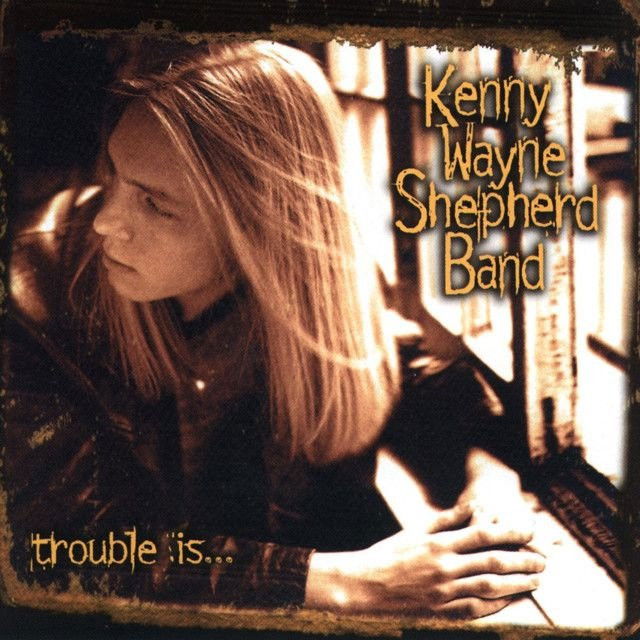
Released on Shepherd’s 1997 album Trouble Is..., “Blue on Black” became one of his signature songs. Written by Kenny Wayne Shepherd, Mark Selby, and Tia Sillers, it blends blues feeling with radio-ready rock structure. That mix matters, because the lyrics are emotionally direct while the music gives them weight.
A Breakup Song About Emotional Erasure
At the surface level, the song speaks from the point of view of someone left behind. The opening sets that mood fast: night falls, the speaker is alone, and the cold feels physical as well as emotional. When the song says slipped right from my hand
, it suggests a relationship they could not hold onto, even if they wanted to.
This is why the song feels more defeated than angry. The narrator is not plotting revenge or demanding answers. They are standing in the aftermath, trying to process what is gone.
Interpretation: the real subject may be helplessness. The loss hurts, but what hurts more is the sense that nothing can reverse it.

Watch the official Blue on Black
music video
The Chorus Turns Simple Phrases Into Big Meaning
The chorus is the reason the song lasts in people’s minds. It stacks short comparisons that seem strange at first: blue on black
, tears on a river
, and push on a shove
. Each image points to something that barely changes the larger thing around it.
That idea comes into focus in the clearest line of the hook:
Whisper on a scream
doesn't change a thing
In other words, some actions are too small, too late, or too weak to matter. A whisper cannot undo a scream. Tears disappear into a river. Blue almost vanishes into black.
That is the emotional core of the song. The narrator believes the damage is done, and no apology, explanation, or gesture will bring the lost person back.
Why “Blue on Black” Is Such a Strong Image
Color imagery does a lot of work here. Blue often suggests sadness, while black suggests emptiness, finality, or grief. Put together, blue on black
can suggest pain disappearing into something even darker.
Interpretation: the phrase may mean that one sorrow gets swallowed by a larger void. The speaker’s grief is real, but it exists inside a bigger feeling of emotional shutdown.
That reading fits the rest of the chorus. A joker on a jack, a match on a fire, cold on ice: these are not exact opposites, but they all imply futility. One force is already overwhelmed by another. The song keeps returning to this idea until it feels less like a single heartbreak and more like a law of emotional gravity.
The Verses Show Regret Without Full Explanation
One of the song’s strengths is what it leaves unsaid. The second verse moves from blindness to sight with now I see
, then quickly brings in truth, lies, and everything between them. That suggests a relationship damaged by confusion, dishonesty, or words that cannot be taken back.
The line about something slipping from the tip of the tongue points toward a painful statement or a revealing truth. The song never spells out exactly what was said. That restraint makes it more universal. Listeners can hear their own mistake, argument, or missed chance inside the gap.
A likely emotional timeline
- Someone leaves.
- The speaker realizes the loss is real.
- They replay what happened.
- They understand that nothing will undo it.
That simple structure is one reason the song connects so broadly.
How the Music Carries the Hurt
The meaning of Blue on Black Kenny Wayne Shepherd is not only in the lyrics. It is also in the sound. Shepherd’s guitar tone is thick, slow-burning, and bluesy, which gives the song a bruised feel instead of a flashy one. The groove stays steady, letting the hook land with almost hypnotic force.
On the album credits, the track sits within a record built on blues-rock muscle, but “Blue on Black” stands out because it resists excess. The riff is memorable without being busy. The vocal delivery sounds restrained, which makes the sadness feel more believable.
This balance is important. If the band pushed too hard, the song might sound melodramatic. Instead, they let space, repetition, and texture do the work. That gives the chorus its feeling of inevitability.
More Than One Way to Read the Song
The most common reading is romantic heartbreak, and the lyrics strongly support that. Still, there are other plausible interpretations.
Interpretation 1: it can be heard as a song about any irreversible break, including a friendship or family fracture.
Interpretation 2: it may also reflect the moment when a person realizes truth too late. In that reading, the pain comes not just from being left, but from finally seeing their own role in the loss.
Because the writing stays symbolic, the song leaves room for both meanings at once.
Why the Song Still Resonates
“Blue on Black” endures because it captures a hard truth in plain language: sometimes hurt cannot be softened, explained away, or repaired. Its images are simple, but they keep opening up the longer people sit with them.
For many listeners, that is the lasting power of the song. It gives heartbreak the shape of something inevitable and almost physical, then lets the blues-rock arrangement make that feeling echo.
Disclaimer: This interpretation is based on the released lyrics, songwriting credits, and widely available song context. As with most songs, listeners may reasonably hear different meanings in it.









