Why '(Long) Gone' Feels Inevitable
The meaning of (Long) Gone Kenny Wayne Shepherd starts with a breakup, but it does not sound like a simple goodbye. This song presents a speaker who cares about the other person, yet still leaves. That tension gives the track its sting: love is real, but staying feels impossible.
"(Long) Gone" - Kenny Wayne Shepherd
Take whatever you need
Sweep of the pieces of this broken love
Loading lyrics...
Unable to load lyrics
We're unable to display the lyrics at this time. Please try again later.
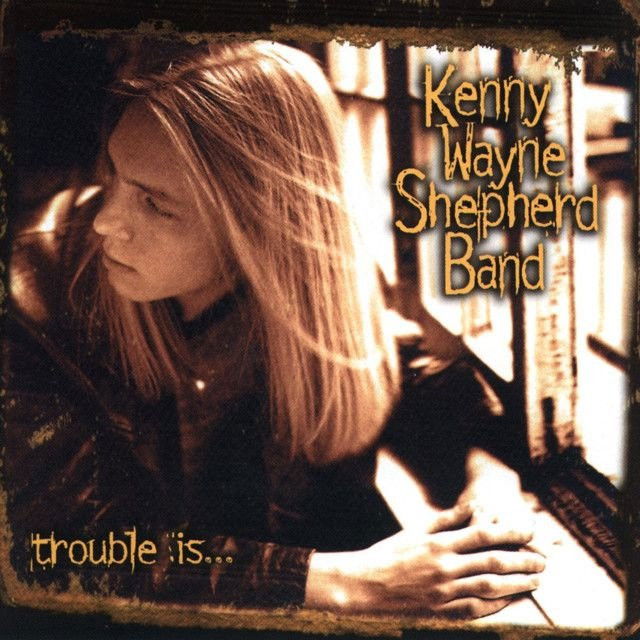
Kenny Wayne Shepherd is best known for blues-rock guitar work, and that matters here. Across albums such as Trouble Is..., they have often paired strong riffs with lyrics about hurt, movement, and emotional weather. In “(Long) Gone,” that style supports a story about someone who sees themself as built to drift.
A Breakup Song About Character, Not Cruelty
On the surface, the song is about leaving a relationship. The speaker tells their partner to keep what they want and even save pieces of the broken romance. That choice matters. They are not trying to win the argument or punish the other person. They are admitting the damage is done.
The key emotional point is that the speaker does not blame the partner. They even say you did nothin' wrong
, which changes the mood. This is not a song about betrayal. It is about incompatibility between love and a restless nature.

Watch the official (Long) Gone
music video
The Heart of the Chorus
The chorus turns that idea into a personal truth. The repeated image of being long gone
suggests more than physical distance. It sounds like a habit, maybe even a fate. Once the inner motion starts, the speaker cannot stop it.
That is why the line about a stone rolling is so important. It echoes the old saying that a rolling stone does not stay in one place. In plain terms, the speaker sees themself as someone who keeps moving, no matter who gets hurt.
this stone keeps rollin'
goin', goin', goin'
long gone
This is the song's clearest summary. The leaving is not sudden. It feels like momentum.
How the Verses Build the Story
Each verse adds a different shade to that momentum.
First, the speaker tries to soften the blow. They offer possessions and memories, almost like a quiet settlement after emotional wreckage. The image of pieces from a broken love suggests that the relationship once mattered deeply, even if it cannot be repaired.
Next, the song shifts from apology to self-definition. The speaker says they have loved this person, but describes the heart as like a tumbleweed
. That image is the song's most revealing symbol. A tumbleweed is dry, rootless, and pushed by wind. It does not choose a home. It gets carried.
Finally, the speaker admits regret. They never meant to hurt or desert the partner. That confession keeps the song human. They are not proud of the pain they cause. Still, when the wind starts blowing, they leave anyway.
Images of Wind, Stone, and Motion
Why the symbols matter
The song uses simple Western and roadside images to express emotion. Stone, wind, and tumbleweed all point to movement without stability. None of these images are warm or domestic. They belong to open space, distance, and travel.
Interpretation: This makes the breakup feel larger than one failed romance. The song hints that the speaker may repeat this pattern again and again. They do not just leave this person; they are the kind of person who leaves.
That reading fits Shepherd's blues-rock world, where roads, storms, and drift often stand in for inner conflict. The language is plain, but the symbols give it weight.
How the Sound Supports the Meaning
The meaning of (Long) Gone Kenny Wayne Shepherd is also carried by the music. Shepherd's style blends Texas blues muscle with classic rock drive, a sound noted in their artist biography. In a song like this, that matters because the guitar can express what the speaker cannot fully explain.
A blues-rock arrangement suits the lyric's push and pull. The drums and rhythm guitar can create forward motion, while lead guitar bends add sorrow and hesitation. That contrast mirrors the central conflict: the speaker feels tenderness, but the song keeps moving.
The vocal delivery likely matters just as much as the words. The lines are written as direct speech to a former lover, so the performance works best when it sounds weary rather than angry. If the voice carries resignation, the song becomes less about drama and more about inevitability.
Artist Context and Songwriting Clues
The song is credited to Mark O. Selby, Kenny Wayne Shepherd, and John Daniel Tate. That writing team is useful context. Selby, in particular, was known for strong roots-rock songwriting, often built on compact lines and vivid images. Here, the writing avoids fancy twists and instead leans on durable symbols.
That economy helps explain why the song lands. It says a lot with very little. The emotional world is easy to picture: a broken relationship, a speaker who still cares, and a personality that cannot settle.
Two Strong Ways to Read It
Reading one: a doomed lover's confession
The most direct reading is that this is an honest farewell. The speaker is telling the truth as gently as possible. They love the other person, but they are too restless to stay.
Reading two: a myth of self-justification
Interpretation: Another reading is less forgiving. The speaker may be using images like rolling stone and tumbleweed to excuse behavior they could change. In that view, the song is not just sad; it is also a little defensive.
Both readings fit because the lyric balances remorse with self-mythology.
Why the Song Still Connects
What makes this track memorable is its refusal to turn the breakup into a simple good-versus-bad story. Instead, it asks a harder question: what happens when love is present, but stability is not?
That is the lasting meaning of (Long) Gone Kenny Wayne Shepherd. It is a song about the pain caused by a person who feels born to move. Their goodbye sounds kind, but it still leaves a wound.
Disclaimer: This interpretation is based on the song's lyrics, credited writers, and Kenny Wayne Shepherd's broader blues-rock context. Meanings can vary from listener to listener.







