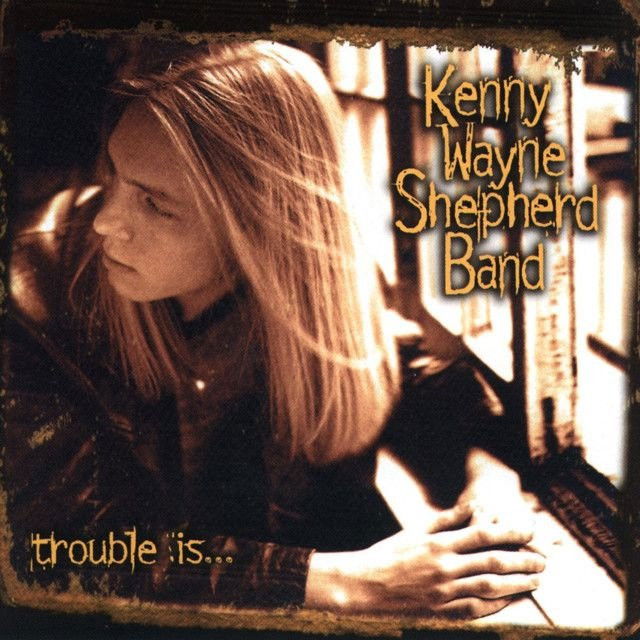
True Lies by Kenny Wayne Shepherd
The meaning of True Lies Kenny Wayne Shepherd comes down to one painful idea: the speaker already knows the relationship is breaking, but they are still forced to listen to excuses dressed up as comfort. This is a song about betrayal, denial, and the moment suspicion hardens into certainty.
"True Lies" - Kenny Wayne Shepherd
When all the doors should be closed
Your alibis just don't sound right
Loading lyrics...
Unable to load lyrics
We're unable to display the lyrics at this time. Please try again later.
Kenny Wayne Shepherd has long worked in a blues-rock lane where emotion is carried as much by tone and groove as by plot. On his official site, his catalog shows that mix of modern rock drive and traditional blues feeling. In “True Lies,” that style fits the lyric perfectly. The song is not subtle about hurt, but it is smart about how deception works.
A Breakup Song About Catching the Lie
At its core, the song follows a narrator confronting a partner whose stories no longer add up. The opening question about where they go after midnight sets the mood right away. Night becomes the space where trust disappears.
The line after midnight
matters because it points to secrecy, not just lateness. Then the song moves to weak excuses and missing answers. By the time the speaker says the alibis do not sound right, the emotional ground has already shifted from doubt to investigation.
Interpretation: this is less a plea for honesty than a record of awakening. They are no longer asking because they are confused. They are asking because they want the other person to hear that the act is over.

Watch the official True Lies
music video
Why “True Lies” Is Such a Strong Hook
The title phrase true lies
is the song’s best idea. It sounds contradictory, and that is the point. These are lies told so often, and so smoothly, that they start to feel polished, practiced, almost believable.
The partner does not simply deny wrongdoing. They package the denial in a way that sounds gentle and convincing. When the song says they can look someone in the eyes and make it sound nice, it captures a familiar kind of manipulation: charm used to hide dishonesty.
It was a clever disguise
but, girl, I'm gettin' wise
That short moment is the turning point. The disguise once worked, but not anymore. The speaker is no longer trapped inside the other person’s version of events.
The Story Moves From Suspicion to Proof
One reason the lyric lands is that it builds evidence in plain language. It does not rely on abstract poetry. Instead, it gives listeners concrete signs that something is wrong.
A few details stand out:
sleepin' in my bed
suggests direct violation of trust.sneakin' out the window
gives the betrayal a physical image.- The room no longer smelling like the couple implies intimacy has been replaced.
- The repeated eye contact shows how deception works face to face.
These details make the narrator sound observant, not paranoid. That matters for the meaning of True Lies Kenny Wayne Shepherd, because the song is built on the gap between what is said and what is plainly visible.
What the Voice of the Song Reveals
The narrator speaks in the first person, but the emotional effect is broader. They sound like someone moving through three stages at once: hurt, anger, and clarity.
At first, there is disbelief. Then comes accusation. By the final refrain, there is almost a hard-earned calm. The speaker no longer needs to prove anything. They just refuse to accept the performance anymore, summed up in I just can't buy
.
Interpretation: that shift is the song’s hidden strength. It is not only about being lied to. It is about reclaiming judgment after someone has tried to confuse it.
Blues-Rock Sound as Emotional Evidence
Musically, “True Lies” fits Shepherd’s strengths as a guitarist and bandleader. His work often blends Texas blues fire with classic rock punch, a style noted in his AllMusic biography. For a song like this, that matters because the groove can carry tension even when the words stay direct.
A mid-tempo blues-rock arrangement suits the lyric’s mood. The steady rhythm feels like someone laying out a case. The guitar can act like a second voice, pushing the frustration higher between vocal lines. Instead of sounding weepy, the song likely leans firm and gritty, which keeps the narrator from seeming helpless.
That production choice shapes meaning. Betrayal songs can collapse into sadness, but this one feels more confrontational. The sound says the speaker is wounded, yet standing upright.
The Moral Edge in the Bridge
Late in the song, the lyric widens its focus. It suggests the liar has been doing this for so long that they may half-believe their own story. That idea gives the song more depth.
This is not just cheating; it is self-justification. The warning that word travels and comes back around adds a moral edge. Actions do not stay hidden forever. In that sense, the song becomes a small lesson about consequences as well as heartbreak.
Why the Song Still Connects
What makes “True Lies” memorable is its clarity. It captures a common experience: realizing that dishonesty is not always loud or messy. Sometimes it is smooth, attractive, and expertly delivered.
That is why the title sticks. A “true lie” is the kind of falsehood that survives because it is repeated with confidence. The narrator finally breaks that spell. They stop arguing with the details and trust what they already know.
For listeners, the takeaway is simple. This is a song about the moment charm stops working and truth pushes through.
Disclaimer: This interpretation is based on the lyrics, performance style, and available artist context. As with any song, listeners may hear different meanings in it.









