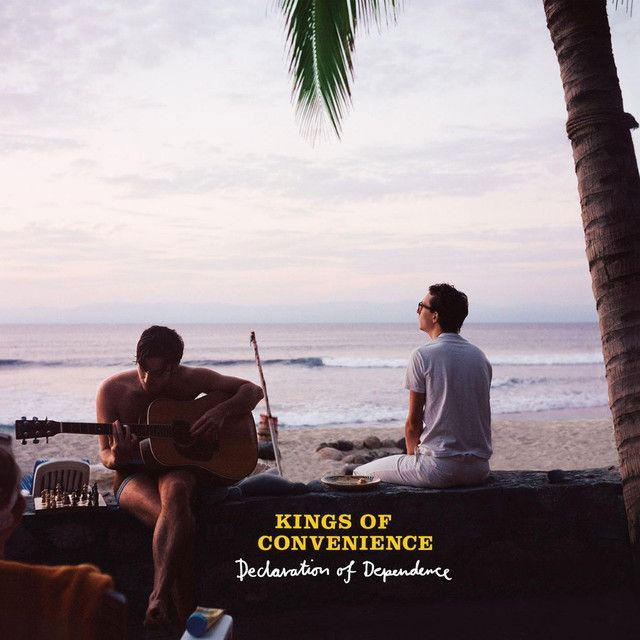
Why 'Rule My World' Feels Like a Moral Cross-Examination
The meaning of Rule My World Kings of Convenience comes into focus when they treat power as a test of character. This is not a love song in the usual sense, even though the title sounds intimate. Instead, it is a sharp, quiet challenge aimed at people who claim moral authority while hurting others.
"Rule My World" - Kings of Convenience
That all forgiving god
You claim that you believe in
Loading lyrics...
Unable to load lyrics
We're unable to display the lyrics at this time. Please try again later.
Kings of Convenience are known for soft voices, acoustic detail, and songs that often sound gentle even when the writing is pointed. That contrast matters here. The music stays calm, but the words push hard on hypocrisy, blame, and the idea that nobody truly deserves total control over another person.
A Soft Song With a Hard Argument
At its core, the song questions who has the right to lead, judge, or dominate. The speaker looks at someone who places themselves above others, even above mercy or humility. Early lines describe a person acting as if they are beyond judgment, and the image of a failing ship suggests that kind of power cannot last.
When the song reaches the repeated idea of morally superior
, it sounds less like praise and more like a challenge. The speaker is setting an impossible standard. In plain terms, they seem to say: if someone wants to rule their world, that person would need to be ethically spotless.
Interpretation: because no one is spotless, the chorus becomes ironic. It exposes the danger of anyone acting as if they deserve absolute authority.

Watch the official Rule My World
music video
Who They Seem to Be Addressing
The target of the song seems to be a person, system, or ideology that claims to act in the name of justice. The wording is broad enough to allow several readings. It could describe a controlling partner, a political leader, or even a nation defending violence with moral language.
That ambiguity is one reason the song stays interesting. The lines about belief, judgment, and punishment do not lock the meaning into one story. Instead, they build a pattern: one side presents itself as righteous, while the speaker keeps exposing the gap between that image and the harm it causes.
The Key Twist: The Speaker Admits Fault Too
One of the strongest parts of the lyric is that the speaker does not pretend to be innocent. They admit recklessness, saying in effect that they act too quickly, while the other side acts violently before understanding the full situation. That parallel matters.
By placing these flaws side by side, the song avoids a simple good-versus-evil setup. The speaker says both sides can wound people. But there is still a crucial difference: one side accepts blame, and the other escapes into darkness, hinted at by scramble to the night
.
That contrast gives the song its ethical center. The issue is not just causing harm. It is whether someone owns what they have done.
How the Chorus Reframes Everything
The repeated hook to rule my world
sounds personal, but it is really about power. The speaker is not inviting rule. They are putting rule itself on trial.
Here is the idea in the song's own compressed language:
Only someone
who's morally superior
can honestly deserve
to rule my world
Paraphrased, the chorus argues that authority must be earned by real moral integrity, not by force, status, or self-belief. Because the standard is so high, the refrain turns into a refusal. It denies easy claims to leadership, ownership, or righteousness.
One Line That Opens a Political Reading
The final question about killing is the song's sharpest move. It contrasts crime with justice depending on who commits the act. In other words, violence is condemned when enemies do it but excused when those in power do the same thing.
That gives the meaning of Rule My World Kings of Convenience a wider scope. The song can be heard as a critique of double standards in war, policing, religion, or state power. The speaker asks for an explanation, but the tone suggests they do not expect an honest one.
Interpretation: this ending implies that moral language is often used to protect power, not truth.
Why the Sound Matters So Much
Kings of Convenience built their reputation on hushed harmonies and minimal arrangements, a style widely noted in coverage of the duo and their catalog, including artist profiles from sources like AllMusic and Encyclopaedia Britannica. That quiet approach changes how this song lands.
Instead of shouting its argument, the track lets calm singing carry lines about failure, blame, and justice. Acoustic textures and understated vocals make the criticism feel more intimate than theatrical. The result is almost unsettling: the gentleness invites listeners in, then the lyric asks them to examine their own standards.
This is a big part of the duo's power. They often make emotional or intellectual tension feel close, not grand. Here, that means the accusation never sounds like a speech. It sounds like a private conversation that suddenly reveals a much larger moral crisis.
Artist Context and Writing Approach
The song is credited to Eirik Glambek Bøe and Erlend Øye, the two members of Kings of Convenience. Their writing often balances direct language with emotional ambiguity, and that method fits this track well. Rather than filling the lyric with dense imagery, they use simple phrases and repetition to press one central question: who gets to decide what is right?
That plain style is part of why the song remains effective. They do not hide behind abstraction. A phrase like your ship is sinking fast
is easy to picture, and it quickly signals collapsing authority.
Final Meaning: A Rejection of False Moral Authority
In the end, the song is about mistrust of people who claim the right to govern others without meeting the moral standard they demand from everyone else. It exposes hypocrisy, but it also asks for self-examination. The speaker admits their own flaws, which keeps the song from becoming self-righteous.
The best way to read it is as a quiet protest against unjust power. Whether that power is romantic, religious, political, or personal, the message stays the same: nobody should rule my world
unless they can truly answer for what they do.
That is why the song still resonates. It turns a simple refrain into a test that almost no authority figure can pass.
Disclaimer: This interpretation is based on the released lyrics, songwriting credits, and the band's broader style. As with most songs, listeners may hear meanings that differ from this reading.