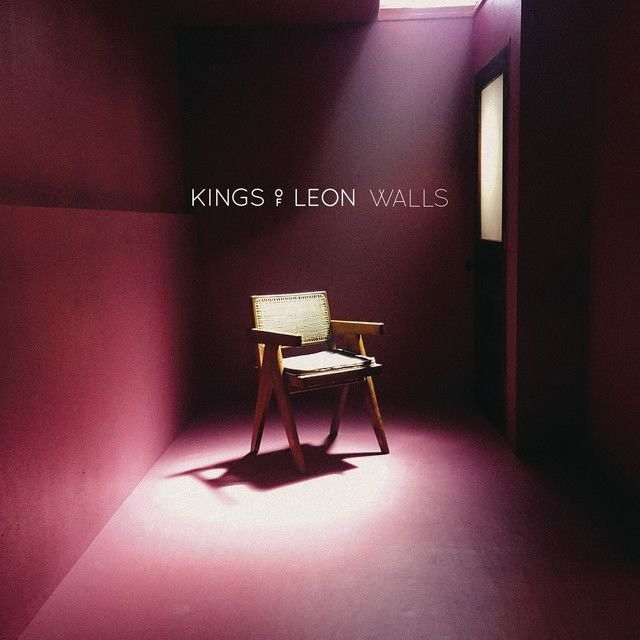
Wild by Kings of Leon
The meaning of Wild Kings of Leon comes down to a simple but powerful idea: being shaken awake by another person, or by life itself. The song frames “wild” not as reckless damage, but as openness, awe, and a return to feeling. Through elemental images and a swelling rock sound, they turn desire into something almost spiritual.
"Wild" - Kings of Leon
Oh, I wanna take you in
If you come around, I come a running
Loading lyrics...
Unable to load lyrics
We're unable to display the lyrics at this time. Please try again later.
Why This Song Feels Like a Reawakening
On the surface, “Wild” sounds like a love song. The narrator is drawn toward someone with irresistible force, and that pull seems to cut through confusion and routine. Early on, the line mainstream melody
hints at a life that feels too fixed or too familiar.
Then the song breaks out of that pattern. The narrator wants to move toward someone who feels fresh and untamed, someone who exists outside the safe script. In that sense, the meaning of Wild Kings of Leon is not just romance. It is also about escape from emotional numbness.

Watch the official Wild
music video
A Voice Pulled Toward Wonder
The song uses first-person language, but the article’s clearest reading is that they present a speaker overwhelmed by attraction and change. This is not a calm, settled relationship song. It is about being compelled.
That feeling shows up in phrases like come a running
and through the fire again
. Paraphrased, the narrator is saying they will take the risk, even if they have been hurt before. Desire here is not passive. It demands movement, sacrifice, and surrender.
Not Just Passion, but Permission
One of the most revealing lines is only if you want me to
. That moment softens the song. The narrator may be overwhelmed, but they are still attentive to consent and mutual choice.
That matters because it keeps “wild” from meaning domination. Instead, wildness becomes shared freedom. The song suggests that real intensity still needs openness from both sides.
How the Verses Build the Story
The verses do not tell a detailed plot, but they create a clear emotional arc:
- The narrator begins in a place of sameness and pressure.
- Another person appears as a force of disruption.
- The speaker feels disoriented, almost split from their usual self.
- That disruption becomes release rather than destruction.
A phrase like riverside
adds to this in-between feeling. Rivers often symbolize transition, memory, and renewal. When the narrator tries to recall their name, the song suggests a temporary loss of stable identity. They are no longer fully who they were.
That could sound frightening, but the song treats it as transformation. Even when the lyrics mention a troubled mind and harsh light, they lean toward breakthrough. The self is not simply falling apart. It is being remade.
The Chorus Turns “Wild” Into a Positive Word
The chorus is where the song states its emotional thesis. It praises the other person as a source of wonder and motion. The phrase running like thunder
makes that energy feel natural, loud, and unstoppable.
Interpretation: this chorus reframes wildness as life force. In many songs, “wild” can mean danger, mess, or rebellion. Here it sounds closer to awakening. When they sing that wild belongs to the open, the song suggests that freedom requires space, honesty, and vulnerability.
That is why the chorus feels so uplifting. It does not deny risk. In fact, it tells the listener to brace for it. But the “explosion” sounds emotional rather than violent: a burst of feeling after a period of restraint.
Fire, Wind, Water: The Song’s Key Symbols
The lyrics lean heavily on elemental imagery, and each image supports the central theme.
Fire
Fire points to trial and desire. Going through the fire again
suggests they are willing to face pain for a chance at real feeling.
Wind
The changing weather suggests momentum. Wind often marks a shift that cannot be controlled, and that fits the song’s sense of emotional inevitability.
Water
The riverside and the depths imply memory, the unconscious, and rebirth. Water is where the narrator seems to lose control, but also where something new rises.
Together, these symbols make love feel bigger than a personal crush. It becomes a force of nature.
How the Sound Carries the Meaning
Musically, “Wild” fits Kings of Leon’s polished alternative rock style, balancing drive with atmosphere. The song was written by Caleb, Nathan, Jared, and Matthew Followill, the band’s core lineup, according to the song credits provided in the release context. That family-band identity has long shaped their chemistry, from early Southern garage-rock roots to later arena-ready textures.
In “Wild,” the production supports the lyrics by moving between tension and lift. The rhythm section keeps things steady while the guitars and vocals widen the song’s emotional space. Caleb Followill’s vocal delivery is especially important: he sounds strained in a way that communicates urgency, then more open as the chorus blooms.
Interpretation: that contrast mirrors the lyrics’ journey from confinement to release. The music does not just accompany the words; it dramatizes them.
Two Strong Ways to Read the Song
There is more than one good reading of “Wild.”
- Romantic reading: the narrator is overwhelmed by a magnetic partner who restores feeling and wonder.
- Inner-life reading: “wild” represents a lost part of the self, and the song is about reclaiming instinct, joy, or emotional honesty.
Both readings fit the language. The second one becomes especially persuasive whenever the lyrics move into identity blur and rebirth imagery.
The Lasting Meaning of Wild Kings of Leon
The meaning of Wild Kings of Leon lies in its ability to make intensity sound hopeful. They present wildness as the opposite of emptiness. It is what breaks routine, tests the heart, and opens a person back up to wonder.
That is why the song resonates. It understands that transformation can feel beautiful and unsettling at the same time.
Disclaimer: This interpretation is based on the released lyrics, musical context, and common symbolic readings. As with most songs, listeners may hear different meanings in “Wild.”








