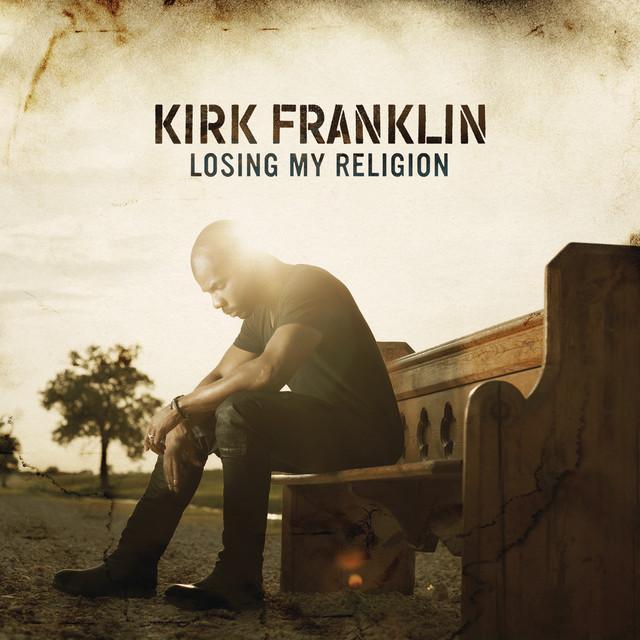
Wanna Be Happy? by Kirk Franklin
Why This Gospel Hit Still Lands
The meaning of Wanna Be Happy? Kirk Franklin starts with a simple but hard idea: happiness is not just a feeling that appears on its own. The song argues that people often help create their own pain, then have to face that truth before real healing can begin.
"Wanna Be Happy?" - Kirk Franklin
Or the truth can change you
What would truth do to you
Loading lyrics...
Unable to load lyrics
We're unable to display the lyrics at this time. Please try again later.
Kirk Franklin released the song in 2015 as the lead single from Losing My Religion, and it quickly stood out as a comeback statement after several years without a new single. According to Songfacts, Franklin described the song as a challenge to anyone chasing happiness without doing the inner work. That context matters, because the lyrics are not only comforting. They are corrective.
Watch the official Wanna Be Happy?
music video
The Core Message: Happiness Requires Honesty
At its heart, the song says that many people want peace, but they keep repeating habits that block it. Early lines set up that conflict by focusing on truth. Franklin frames truth as painful but necessary. In other words, the song says growth begins when a person stops blaming everyone else.
That is why the chorus hits so hard. When the singer says I just wanna be happy
, it sounds universal. Almost anyone can hear themselves in that line. But the song immediately adds responsibility: if someone keeps choosing what harms them, they cannot act surprised by the result.
This is one reason the song feels more direct than many inspirational tracks. It does not flatter the listener. It asks them to look inward and admit, in Franklin's words, that the biggest enemy it was me
. That line turns the whole song from a complaint into a confession.
From Self-Blame to Surrender
The turning point in the lyric
After naming self-defeating behavior, the song shifts toward faith. Franklin does not stop at self-help. He moves toward surrender, telling the listener not to stay trapped in emotion and instead to take the wheel
with Jesus. Paraphrased, the idea is that human effort matters, but spiritual direction matters more.
This makes the song clearly Christian, yet its emotional logic is broader than church language alone. It understands patterns that many people know well: giving too much to the wrong people, replaying the same mistakes, and feeling worn out by cycles that never change.
If you're tired of being the same
If you're tired of things not changing
It's time for you to get out the way
This brief passage captures the song's central push. Change is possible, but ego has to move aside first.
How the Verses Build the Theme
The verses move in a clear sequence:
- They identify pain and personal responsibility.
- They reject empty outward drama, like crying or shouting without change.
- They invite surrender to God as the path toward healing.
- They end in a communal release, where the audience joins the message.
That structure is important. The song does not jump straight to celebration. It earns it. First comes diagnosis, then decision, then testimony.
Another key lyric idea is emotional addiction. Franklin describes people as addicted to the pain
, which suggests that suffering can become familiar, even when it is unwanted. Interpretation: this is not just about romantic heartbreak. It can also refer to destructive thinking, spiritual drift, and habits of self-sabotage.
Sound, Sample, and Performance
Part of what makes the meaning of Wanna Be Happy? Kirk Franklin so effective is its sound. The track blends gospel choir energy, R&B smoothness, and a modern inspirational pop feel. It is rhythmic and warm rather than heavy, which helps tough truths go down easier.
Songfacts notes that the song samples Al Green's "Tired Of Being Alone." That is a smart musical choice. Al Green's original carries loneliness and longing, while Franklin repurposes that emotional memory into a song about spiritual and personal renewal. The sample gives the record soul history, while the choir and call-and-response sections turn private pain into a shared healing space.
Franklin's delivery also matters. He does not sing like a distant preacher. He sounds like someone talking to people in real time, urging them forward. The spoken ad-libs and audience-style responses make the song feel like both a sermon and a support group.
Artist Context and Public Reception
Franklin has long been one of gospel music's most influential crossover figures, known for mixing church music with hip-hop, R&B, and contemporary production. "Wanna Be Happy?" arrived at a moment when that balance worked especially well: serious message, broad appeal, and strong hooks.
The song was first premiered on The Steve Harvey Morning Show and then performed on BET's Sunday Best, as reported by Songfacts. It later won the 2016 Grammy for Best Gospel Performance/Song. That reception suggests listeners connected not just with the melody, but with the song's honest challenge.
A Clear Reading of the Ending
By the final section, the repeated calls for affirmation turn the song into a public decision. What begins as self-examination becomes testimony. The repeated question is not really asking whether happiness sounds nice. It is asking whether someone is ready to change.
Interpretation: the song's deepest message is that happiness is tied to alignment. A person cannot keep living against their own healing and expect peace to appear. In Franklin's framework, that alignment comes through faith in Jesus, emotional honesty, and the courage to break harmful patterns.
Final Take
The meaning of Wanna Be Happy? Kirk Franklin is both spiritual and practical. It says happiness starts with truth, grows through responsibility, and becomes real through surrender.
That is why the song still resonates. It offers hope, but it also asks for action. Disclaimer: this interpretation is based on the song's lyrics, performance, and documented artist comments, and other listeners may hear additional meanings.








