Charlotte by Kittie: Rage, Horror, and Control
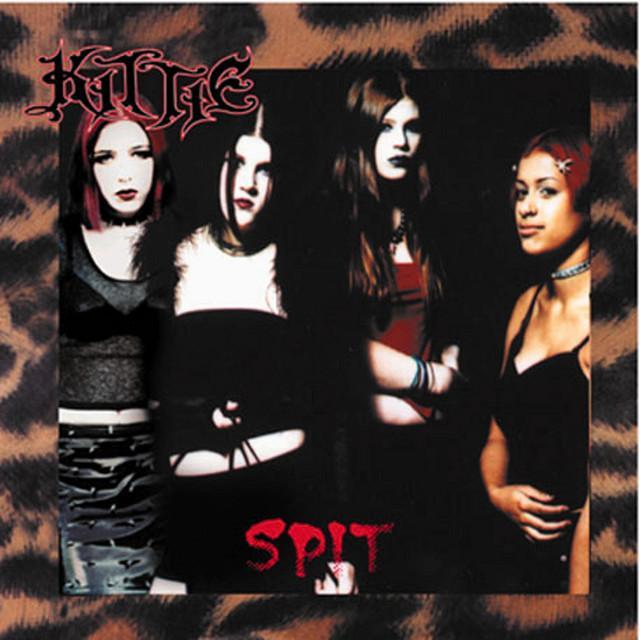
Kittie’s “Charlotte” is one of the darkest songs on their debut album Spit. For listeners searching for the meaning of Charlotte Kittie, the core idea is fairly clear: it turns horror into a voice. The lyrics speak from inside a mind shaped by violation, revenge, and emotional numbness.
"Charlotte" - Kittie
you took something from me
now you've disappeared
Loading lyrics...
Unable to load lyrics
We're unable to display the lyrics at this time. Please try again later.
Factually, the song was released as a single in 2000 and written by Morgan Lander, Mercedes Lander, and Fallon Bowman. Morgan Lander later said in a brief Songfacts interview that a true-crime book about serial killer Robert Berdella inspired the lyrics. That context matters, because it explains why the song feels less like a diary entry and more like a disturbing character study.
The Heart of the Song Is Power After Harm
At the start, the speaker sounds erased and damaged. When they say i'm nothing
, the song opens with emptiness, not strength. The next idea is that someone has taken something from them, which frames the story around violation and loss.
Then the balance shifts. The speaker moves from powerlessness to a twisted form of control. Later, they claim now i'm something
, but this is not healthy recovery. It sounds like identity rebuilt through revenge, domination, or fantasy.
Interpretation: The meaning of “Charlotte” by Kittie is less about justice and more about what trauma can mutate into. The song imagines the victimized voice becoming dangerous. That is why it feels so unsettling: it does not offer healing. It offers transformation into something cold.

Watch the official Charlotte
music video
A Narrative That Turns from Victim to Threat
The song works like a short horror scene. It starts with injury, then escalates into concealment and panic. One of its most shocking images is your head is in my closet
, which pushes the song into violent, almost cinematic territory.
That line should not be read as casual shock value alone. It connects to the true-crime inspiration and gives the song its grotesque edge. The speaker is not just angry; they are trapped in an extreme mental world where violence becomes the language of control.
Here is the emotional pivot in the song:
no, it's not alright
i'm cold, so cold
i'm numb
These lines matter because they strip away any idea that revenge solves the original wound. Even after the speaker seizes power, they are still frozen inside. The result is not relief but emptiness.
Why the Repeated Hook Matters So Much
The repeated cry it's not alright
is the song’s moral center. It interrupts the violence with a plain emotional truth. Something terrible has happened, and no amount of retaliation can make it right.
That simplicity is important. Kittie avoid overexplaining the pain. Instead, they use repetition to make the feeling hit harder. In a heavy song with graphic imagery, this hook becomes the most human part.
Interpretation: Listeners can hear the refrain in two ways:
- As a response to abuse or violation.
- As a response to the speaker’s own violent actions.
Both readings fit. That ambiguity gives the track more depth than a simple revenge fantasy.
Sound and Production Carry the Meaning
“Charlotte” comes from Kittie’s early nu metal period, and the music supports the lyrics at every turn. The guitars are thick and abrasive, the drumming is forceful, and the vocal delivery swings between restraint and eruption. That contrast mirrors the song’s emotional split between numbness and rage.
Producer Garth Richardson, with Kittie also credited, helped shape a sound that feels raw without falling apart. The riffs are blunt and physical. The rhythm section keeps pushing forward, which creates the sense of a mind spiraling but never stopping.
This matters to the meaning of Charlotte Kittie because the track does not sound reflective or distant. It sounds immediate. The music puts listeners inside the pressure of the speaker’s thoughts, where disgust, grief, and revenge all blur together.
Artist Context Makes the Song Hit Harder
Kittie were remarkably young when they recorded Spit, which made songs like “Charlotte” stand out even more. They were not writing safe or polished radio rock. They were bringing aggression, discomfort, and female-fronted heaviness into a scene that often treated young women as outsiders.
That does not mean every lyric is autobiographical. In fact, the available context points away from that. The song is better understood as narrative writing inspired by outside material, especially true crime. Still, Kittie’s performance gives it emotional force beyond a simple retelling.
The single also had real reach. According to chart data collected in Wikipedia’s entry, it reached No. 37 on Billboard’s Active Rock chart and also charted in the UK and Scotland. Its video, directed by Lisa Rubisch, used a fallen-angel concept rather than directly acting out the lyric story. That choice suggests the band wanted atmosphere and symbolism, not literal gore.
The Most Useful Way to Read “Charlotte” Today
The strongest reading is that “Charlotte” studies the psychological aftermath of violation through horror imagery. It is about stolen agency, then reclaimed agency in a warped form. The speaker wants control, but what they achieve is emotional frost: out of sight
, hidden evidence, and fear that they'll find it
.
A second reading is that the song exposes how violence reproduces itself. Someone is harmed, and instead of closure, the result is more damage. That makes the song tragic, not triumphant.
Final Take on Kittie’s Darkest Storytelling
For anyone asking about the meaning of Charlotte Kittie, the song is best heard as a horror narrative about trauma, revenge, and numbness. Its blunt lyrics, punishing sound, and true-crime inspiration all point in the same direction: pain has turned into a brutal performance of control.
That is also why the song lasts. It is shocking, but it is not empty. Beneath the graphic images is a simple emotional truth: what happened was not alright, and the damage does not disappear.
Disclaimer: This interpretation is based on the lyrics, publicly available artist comments, and the song’s recorded context. As with most songs, listeners may reasonably hear different meanings in it.








