Jonny by Kittie: When Role Models Fall Apart
The core idea behind the chaos
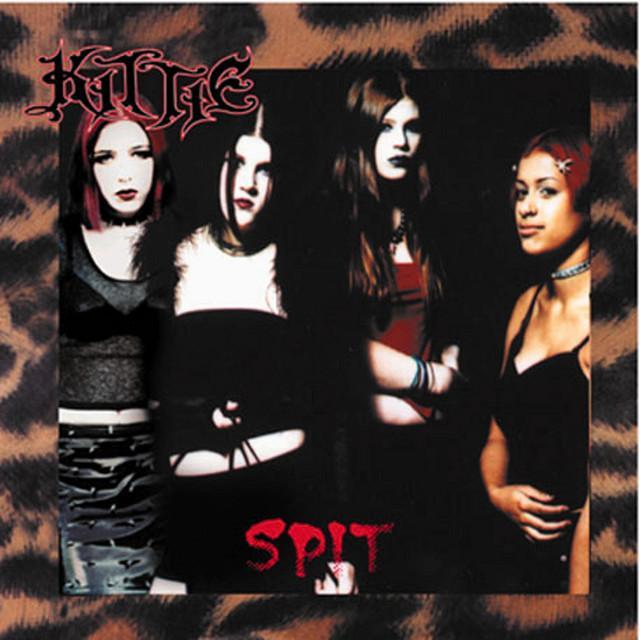
The meaning of Jonny Kittie comes down to disappointment. At its center, the song is about the shock of learning that someone admired is flawed, selfish, or even cruel. Research on Kittie’s debut album Spit notes that “Jonny” is specifically about realizing that nobody is perfect, including role models. That simple idea gives the song its emotional punch.
"Jonny" - Kittie
We're just whores on a fucking assembly line.
Believe me I was there.
Loading lyrics...
Unable to load lyrics
We're unable to display the lyrics at this time. Please try again later.
Instead of treating that lesson softly, Kittie turns it into a confrontation. The lyrics do not sound calm or reflective. They sound wounded, furious, and defensive. The speaker feels used, ignored, and talked down to. When the song repeats very bad boy
, it feels less playful than accusing. They are naming someone who has failed a moral test.
That matters in the context of Spit, Kittie’s debut album. The record often returns to betrayal, sexism, anger, and self-worth. “Jonny” fits that world perfectly, but it adds a twist: the target is not just an enemy. It is someone who once seemed worthy of trust.

Watch the official Jonny
music video
A song about power, disillusionment, and self-protection
Who “Jonny” seems to be
Interpretation: “Jonny” may not be one literal person. He can be heard as a stand-in for a fake mentor, an admired man, or any figure who holds social power and disappoints the people who believe in him.
The opening images suggest a system where people are treated as disposable. The line about an assembly line
paints a picture of dehumanization. In plain terms, the speaker feels processed, used, and pushed aside. The insult is not only personal. It hints at a larger structure where exploitation feels normal.
Then the song moves into resistance. Phrases like raise the wall
suggest emotional defense. They are trying to block off someone dangerous or manipulative. The wall is not noble or graceful. It is a survival move.
The emotional timeline
The song’s emotional arc is easy to follow:
- They hear more lies or excuses.
- They recognize they have been treated like an object.
- They try to protect themselves by building distance.
- They admit the hurt runs deep.
- They end in a place of threat, defiance, or reckoning.
That is why lines such as see through me
and I am nothing to you
hit so hard. The speaker is not just angry. They feel erased.
The chorus turns shame into accusation
The hook is one reason the track stands out. Repeating Jonny's been a very bad boy
sounds almost teasing on the surface, which may explain why one critic described the refrain as “coquettish.” But the effect is darker than that. The childish wording makes the attack sharper, not lighter.
Interpretation: By using language that sounds almost mocking, Kittie shrinks the supposed authority of the role model. He is no longer untouchable. He is reduced to someone petty, weak, and exposed.
There is also a gendered edge here. Across Spit, Kittie often pushes back at men who judge, control, or objectify women. In “Jonny,” the chorus can be heard as a reversal of power. The speaker judges him now.
You look at me, see through me,I am nothing to you
Those two short lines capture the wound at the center of the song. The speaker is not only angry that “Jonny” is bad. They are devastated that his view has made them feel invisible.
Sound and production: why the message feels so violent
“Jonny” works because the music carries the same emotional instability as the lyrics. Kittie recorded Spit in May 1999 at EMAC Recording Studios in London, Ontario, with producer Garth Richardson. The album was famously cut fast, with raw takes and some imperfections left in place. That roughness helps this song.
The band’s style on Spit mixes nu metal with thrash, hardcore, and other heavy sounds. On “Jonny,” the stop-start motion, thick guitar tone, and aggressive drumming make the song feel cornered and explosive. Morgan Lander’s voice is especially important. She flips between scream, sneer, and sharp rhythmic speech, which mirrors the speaker’s broken trust.
There is no polished distance in the performance. The track feels like a real-time argument, or maybe the emotional crash after one. That makes the meaning of Jonny Kittie more convincing: this is not abstract philosophy about imperfect idols. It is the sound of finding out the truth and hating what it does inside.
Why the song mattered in Kittie’s early moment
Kittie released Spit in 1999, and it became a major debut, eventually earning RIAA gold in the United States. But the band was often discussed through their age and gender before their music. That context matters when reading “Jonny.” Songs on Spit regularly challenge belittling attitudes, image pressure, and disrespect.
So even if “Jonny” is framed around one figure, it also speaks to a bigger pattern: the collapse of trust in systems and personalities that demand admiration while offering little care in return. The line of attack feels personal because Kittie’s writing on this album often came from real experiences, both their own and those of close friends.
Some critics thought parts of Spit leaned into nu metal clichés, and “Jonny” drew mixed reactions too. Still, its directness is part of its power. Teen anger is often dismissed, but Kittie made it sound precise.
Final takeaway on the meaning of Jonny Kittie
The meaning of Jonny Kittie is about seeing through a false idol and reacting with rage, hurt, and self-defense. The song shows how betrayal can make someone feel small, but it also shows the first steps of fighting back.
Interpretation: Whether “Jonny” is a person, a type of man, or a symbol of failed authority, the song’s message stays the same: role models can disappoint, and naming that disappointment can be its own form of power.
This interpretation is based on the lyrics, documented song context, and the sound of the recording. As with many songs, listeners may hear different shades of meaning.








