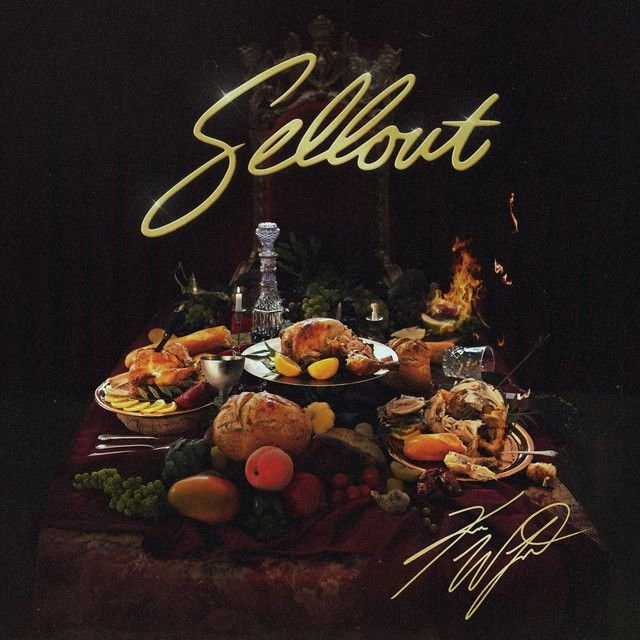
Why Koe Wetzel's 'Drunk Driving' Hits So Hard
The meaning of Drunk Driving Koe Wetzel starts with a hard truth: this is not a carefree outlaw song. It sounds like a confession from someone who feels trapped by guilt, fear, and self-destructive impulses. The title image is shocking on purpose, and the lyrics use that danger to show a mind in free fall.
"Drunk Driving" - Koe Wetzel
Pullin' away from all my sins
Tell my mama, I love her and take care of my friends
Loading lyrics...
Unable to load lyrics
We're unable to display the lyrics at this time. Please try again later.
Koe Wetzel is known for mixing country, rock, and rough-edged honesty into songs that feel volatile and personal. That reputation has helped build a large audience, and major outlets like Billboard have covered his rise in country and roots spaces. In this song, that raw style matters because the words are simple, but the emotional stakes are huge.
A Confession, Not a Party Anthem
At the center of the song is a narrator who is not bragging. They are admitting that they are back in a destructive pattern, saying they are drunk drivin' again
. That phrase is repeated so often that it stops sounding like a plot detail and starts sounding like a death wish, or at least a reckless surrender.
The next key idea is escape. The singer says they are pulling away from all my sins
, which suggests shame more than thrill. They are not chasing freedom in a romantic sense. They are trying to outrun what they have done, what they feel, and what they cannot face.
Interpretation: The song uses drunk driving as both a literal act and a metaphor. Literally, it is dangerous behavior. Symbolically, it represents choosing numbness over accountability, motion over reflection, and risk over staying still with painful emotions.
Watch the official Drunk Driving
music video
The Voice Sounds Like a Goodbye
One reason the song lands so hard is the way it addresses loved ones. The narrator asks someone to tell their mother they love her and to take care of my friends
. That sounds less like a casual message and more like a final request.
That emotional weight makes the song feel like a farewell spoken in real time. Even before the most direct lines arrive, the listener can hear someone preparing for the worst.
Everybody's gotta die somehow
Why not for me right now
This is the song's clearest turn into despair. Instead of just describing reckless behavior, it reveals the mindset under it. The danger may be self-inflicted because the narrator no longer seems committed to surviving.
Fear, Weakness, and the Urge to Run
The verse explains why the narrator is leaving. They do not want to make another person lonely, but they also feel crushed by things they still need to prove. They admit fear and even say, in effect, that they are not strong enough to carry it.
That matters because it shifts the song away from rebellion. This is not someone acting wild because rules are boring. This is someone who feels judged, overwhelmed, and unable to live up to expectations.
What the emotional timeline suggests
- They feel pressure from other people and from themselves.
- That pressure becomes shame and panic.
- Instead of asking for help, they flee.
- The act of leaving turns into self-endangerment.
Interpretation: The song may be about depression as much as guilt. The repeated motion of driving becomes a way to avoid stillness, where the real pain would have to be named.
How the Sound Supports the Meaning
Even without a dense lyric sheet, the song's structure does important work. The hook is repetitive, which mirrors obsessive thinking. A person in crisis often circles the same thought, and this chorus does exactly that.
Wetzel's style also helps sell the meaning. His delivery tends to sound rough, conversational, and slightly unguarded rather than polished to perfection. That kind of performance makes the song feel like a late-night confession instead of a neatly written moral lesson.
From a production angle, the song works because it does not overcomplicate the emotion. The arrangement gives the hook room to hit, and the plainspoken writing lets the listener focus on the narrator's state of mind. In a catalog and public persona built on country-rock intensity, that directness is one of Wetzel's signatures, as reflected in mainstream coverage from Billboard.
Why the Song Connects With Listeners
Part of the meaning of Drunk Driving Koe Wetzel is its refusal to soften ugly feelings. The narrator says, in effect, that they cannot take the pressure and that it is best to disappear. Many songs hint at that level of hopelessness. This one says it in brutally plain language.
That honesty is why listeners often hear the track as more than a story about one reckless night. They hear burnout, shame, self-hatred, and emotional isolation. The song gives those feelings a dramatic image that is impossible to ignore.
Still, it is important not to confuse interpretation with biography. The lyrics clearly depict a troubled narrator, but that does not automatically mean every line is a literal statement of Koe Wetzel's life. Songs can blend personal truth, character writing, and heightened drama.
The Lasting Takeaway
In the end, "Drunk Driving" is about a person trying to escape themselves and nearly turning that urge into an ending. Its power comes from how plainly it links reckless behavior with inner collapse. Rather than glamorizing danger, it makes danger sound like the language of despair.
For many listeners, that is why the song stays with them. It is tense, sad, and brutally direct about what happens when guilt and fear turn into self-destruction.
Disclaimer: This article offers an interpretation of the song based on its lyrics and publicly available artist context. Meanings can vary from listener to listener.








