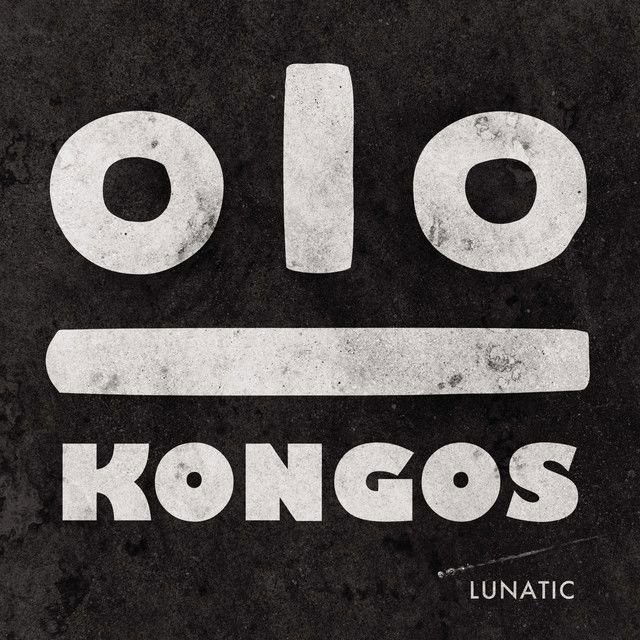
Hey I Don't Know by Kongos
A protest song hiding inside a shrug
The meaning of Hey I Don't Know Kongos centers on blame, denial, and the damage people cause when they refuse responsibility. The song speaks in a voice that sounds defensive at first, then increasingly exposed. It moves from private guilt to public failure, suggesting that leaders, followers, and whole crowds can all hide behind excuses.
"Hey I Don't Know" - Kongos
I should have known
I should have thought
Loading lyrics...
Unable to load lyrics
We're unable to display the lyrics at this time. Please try again later.
This is what makes the track feel bigger than one argument. It is not just about one person saying they are innocent. It is about what happens when power protects itself, when harm spreads outward, and when nobody wants to own the result.

Watch the official Hey I Don't Know
music video
The opening frames guilt before the chorus does
The first verse begins with regret. The speaker sees the fallout and admits they should have understood more before acting. A phrase like cast that stone
points to judgment and moral certainty. In plain terms, the song suggests someone acted too quickly, then had to face the consequences.
The next images widen the damage. The idea that actions send out ripples, and that there is a ringing in my ears
, makes the aftermath feel physical. They are not just sorry in theory. They seem stunned by what their choices have set loose.
Why the throne image matters
When the song mentions a heavy crown and a throne, it shifts from ordinary guilt to the burden of authority. The image of the crown weighs heavy
suggests leadership is not glamorous here. It is isolating, and it comes with accountability the speaker may not want.
Interpretation: this part can be read as a criticism of rulers, public figures, or anyone who benefits from status while dodging blame. The throne image matters because it undercuts the excuse that the speaker is powerless.
The chorus turns ignorance into an accusation
The repeated hook, Hey I don't know
, sounds simple, but the song uses it with sharp irony. On the surface, it sounds like confusion. Underneath, it sounds like evasion.
That is why the follow-up challenge matters so much. The speaker asks others to explain, but the tone feels less like a sincere question and more like a performance of helplessness. In effect, the chorus asks: when people claim they do not understand the harm around them, are they truly lost, or are they protecting themselves?
This is the emotional core of the meaning of Hey I Don't Know Kongos. The song treats ignorance as a moral choice. Not knowing becomes part of the problem.
Pawn, devil, hero: the song's moral world
One of the strongest ideas in the lyric is the attempt to shrink responsibility. The speaker says they are just a pawn
, which suggests they were only following a larger system. That is a familiar defense in politics, war, and groupthink.
But the song immediately complicates that excuse by bringing in evil and heroism. If nobody is responsible, then where are the people willing to act with courage? The question about heroes makes the world of the song feel exhausted. People are trapped between selfish leaders, obedient followers, and a public that hesitates too long.
The broken dream and the wake-up call
The repeated idea that the dream has failed and the mind must wake up gives the song its most direct message. It pushes against passivity. The later lines asking what people are waiting for turn the track into a challenge.
Interpretation: this can be heard as political awakening, personal reckoning, or both. The song does not fully define the broken dream, which is why it stays flexible. It could be a failed ideal, a damaged nation, or a personal belief system that no longer matches reality.
History, victory, and the cost of conquest
Later verses make the song even broader. The lyric about the winner being called great questions how history rewards power. It suggests that once violence is over, the official story becomes neat and flattering, while suffering gets buried.
That idea becomes especially painful when the song asks where the honor is in creating grief. Instead of praising conquest, it strips away its myths. What remains is loss, especially for families and ordinary people.
The dream is broken
Now the mind must be woken
This brief couplet works like the song's thesis. It says the old story can no longer hold. If people keep sleeping through injustice, the cycle repeats.
How the sound likely supports the message
KONGOS are known as a South African-born alternative rock band of four brothers, and Jesse Kongos is credited here as the writer of the song. Their catalog often mixes rock drive with a tense, rhythmic punch, a style documented on the band's official and label materials. Even without leaning on long factual detours, that background helps explain why this song reads so well as a pressure-building anthem.
The production style suggested by the lyric is likely tight and insistent rather than dreamy. A repeated hook like this usually works best over a strong pulse, because the repetition turns uncertainty into confrontation. The verses also use heavy symbolic images, so a dense rock arrangement would fit the seriousness of the theme.
The clearest reading and an alternate one
The clearest reading is social and political. The song seems aimed at systems where people hide behind titles, chains of command, and public myths. In that reading, the song argues that harm spreads when everybody says they were only a small piece of the machine.
A second reading is more personal. The throne, guilt, excuses, and broken dream can also describe a collapsing relationship or inner crisis. In that version, the speaker has hurt others, resisted truth, and now faces the need to wake up emotionally.
Both readings work because the lyric balances public imagery with private shame.
Why the song still lands
What gives this song force is its refusal to let anyone stay comfortable. It starts with remorse, moves through denial, and ends with a demand for awareness. The repeated uncertainty is not passive. It is a mirror held up to people who benefit from not asking enough questions.
For many listeners, the meaning of Hey I Don't Know Kongos lies in that challenge. The song is about the danger of pretending not to see, and the need to wake up before more damage is done.
Disclaimer: This interpretation is based on the lyrics provided and publicly known artist context. Like most songs, it can support more than one valid reading.








