
Why "Stash Pot" Feels Like Memphis Horror Rap
The meaning of Stash Pot Koopsta Knicca starts with a simple idea: this is a crime fantasy told in a voice that sounds half-human, half-nightmare. Rather than offering a lesson, the song drops listeners into the mind of a narrator who treats violence, theft, and escape as everyday routine. That is what gives it its power and its discomfort.
"Stash Pot" - Koopsta Knicca
so I steal and rob
creepin through them parks and runnin them bitches
Loading lyrics...
Unable to load lyrics
We're unable to display the lyrics at this time. Please try again later.
Koopsta Knicca was a member of Three 6 Mafia’s extended Memphis underground world, and they became known for a ghostly vocal style that helped define the city’s darker rap sound. In that context, “Stash Pot” feels less like a realistic confession and more like a horror-rap performance built from menace, speed, and shock.
A Dark Character Study, Not a Moral Speech
On the surface, the plot is direct. The narrator says they are fresh out of jail, broke, and back to robbing. The song opens with survival logic twisted into brutality: no money, no job, so crime becomes the next move.
From there, the voice keeps escalating. They brag about leaving pockets empty
, carrying a weapon, and taking victims to a hidden place. The point is not just robbery. The point is domination.
Interpretation: the song works as a portrait of someone who has lost any boundary between need, fear, and cruelty. When the narrator claims that being around them is bad for your health
, they are building a legend around themselves. They want listeners to see them as unavoidable danger.
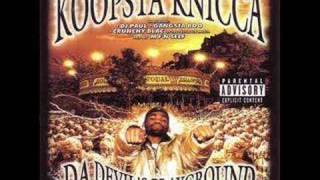
Watch the official Stash Pot
music video
The "Stash Pot" as Symbol
The title phrase matters because it is both literal and symbolic. In the song, the stash spot or stash pot sounds like a place where stolen goods, bodies, evidence, or secrets disappear. It is a hidden zone outside normal rules.
That makes the repeated hook important. The chorus is blunt and repetitive, ending with my stash spot
. In plain terms, they describe using people, discarding them, and moving them into a private world of control.
Take me downtown
to my stash spot
This short refrain feels almost chant-like. Interpretation: that repetition turns the stash spot into the song’s central image of power. It is not just a place on a map. It is the narrator’s system for hiding guilt and keeping control.
How the Verses Build Fear
The verses move in fast scenes instead of detailed storytelling. That fragmented style helps the meaning. Listeners get flashes of action: jail, robbery, blood, a chase, a stolen car, police pressure, and threats against anyone nearby.
A few key beats stand out:
- The narrator enters with desperation and criminal intent.
- They turn robbery into a personal identity, not just a temporary act.
- Police attention raises the pressure, but not the remorse.
- The stash spot returns as the final answer to every problem.
When the song mentions 5-0s on my dick
, it shifts from offense to pursuit. Now the narrator is not just hunting others; they are being hunted too. That tension makes the song feel unstable. Every act of power carries the risk of collapse.
Sound Matters as Much as the Lyrics
Part of the meaning of Stash Pot Koopsta Knicca comes from sound, not just words. Memphis underground rap of the 1990s often used lo-fi production, heavy low end, eerie loops, and drum-machine patterns that felt both hypnotic and threatening. Koopsta’s voice fit that style perfectly.
Their delivery is slurred, whispery, and cold. Instead of shouting, they often sound like they are drifting through smoke. That makes violent lines feel more unsettling. A louder rapper might sound like a bully. Koopsta sounds like an apparition.
The repeated hook also works like a trapdoor. Each time it returns, the song stops moving forward and sinks deeper into the same dark mindset. Production and performance together make the world feel closed off, as if there is no exit.
Artist Context Sharpens the Reading
Koopsta Knicca, born Robert Cooper Phillips, was part of the Memphis scene that fed into Three 6 Mafia’s rise and the wider Southern rap story. Sources on the group’s history, including Britannica and artist databases like AllMusic, note how this scene blended gangsta rap, horror imagery, and DIY production.
The user-provided credit lists Paul Beauregard as the writer, the birth name of DJ Paul. That matters because DJ Paul helped shape the grim, skeletal sound associated with this era. Even without a full production breakdown here, the songwriting credit supports reading the track as part of a carefully built Memphis horror aesthetic rather than random shock value.
Is It Literal, Theatrical, or Both?
There are two useful ways to hear the song.
Interpretation 1: it is a raw outlaw narrative, using exaggerated realism to show a person trapped in cycles of crime, paranoia, and violence.
Interpretation 2: it is theatrical horror rap, where the narrator becomes a monster character. References to being a lunatic
and comparisons to Dracula push the song toward performance, myth, and fear-based image-making.
Both readings can be true at once. That double effect is why the song lingers. It sounds rooted in street life, but it is stylized enough to feel like a nightmare film told over a beat.
Why the Song Still Stands Out
What makes “Stash Pot” memorable is not subtlety. It is how completely it commits to mood. The song turns crime into horror imagery and horror imagery into identity. The stash spot becomes the center of that world: a place where evidence, empathy, and consequences are meant to disappear.
For listeners asking about the meaning of Stash Pot Koopsta Knicca, the clearest answer is this: it is a dark performance of power, paranoia, and predation, delivered in a style that helped define Memphis underground rap.
Disclaimer: This interpretation is based on the lyrics, performance, and available artist context. As with most songs, meaning can vary by listener.







