Why 'Me and Bobby McGee' Still Breaks Hearts
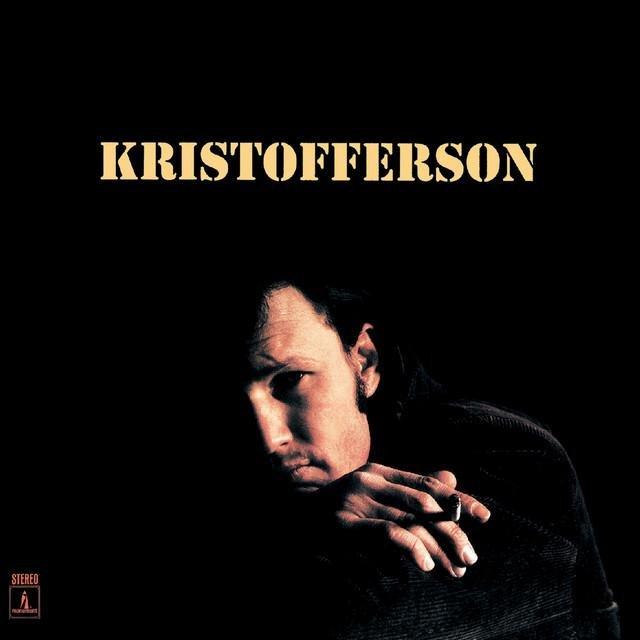
The meaning of Me and Bobby McGee Kris Kristofferson comes down to a painful idea: freedom sounds beautiful until it costs someone the person they love. On the surface, it is a road song about two drifters moving across the American South and West. Underneath, it is a story about how joy can feel strongest when life is uncertain, and how that same loose, open life can end in loss.
"Me and Bobby McGee" - Kris Kristofferson
Busted flat in Baton Rouge, headin' for the train
Feelin' nearly faded as my jeans
Loading lyrics...
Unable to load lyrics
We're unable to display the lyrics at this time. Please try again later.
Kris Kristofferson wrote the song with Fred Foster, and the title itself grew from Foster's suggestion. Accounts of the song's origin also trace the name to Barbara "Bobbie" McKee, whose surname Kristofferson reportedly misheard and reshaped into McGee. Roger Miller recorded it first in 1969, while Janis Joplin's 1971 version became a posthumous No. 1 hit and later entered the Grammy Hall of Fame in 2002.
A Love Story Hiding Inside a Highway Song
The opening gives listeners a rough, dusty world: travel, worn clothes, and hitchhiking luck. The singer is broke and in motion, but not alone. Bobby appears almost like rescue and companionship at once, turning hardship into shared adventure.
That is why the early scenes matter so much. Small details like the road to New Orleans, the rain, and music in a moving vehicle make the bond feel lived-in rather than idealized. When the song mentions sad
music and Bobby singing the blues, it suggests they turn struggle into something human and even joyful.
Interpretation: the romance here is not built on promises of stability. It is built on presence. They may not have money, plans, or a home, but they have each other, and for a while that feels like enough.
Watch the official Me and Bobby McGee
music video
The Chorus Turns Freedom Into a Paradox
The song's most famous thought is nothing left to lose
. Paraphrased, the chorus argues that freedom can come from emptiness as much as from choice. If a person has already lost comfort, status, or security, they can move through the world with fewer chains. But that kind of freedom is not exactly triumphant.
The next emotional turn matters just as much. The singer says feeling good came easily when Bobby was around. In other words, freedom alone was not the point. The real source of happiness was companionship.
Feelin' good was easy
good enough for me
Those short lines explain the whole heart of the song. The narrator does not need luxury or even certainty. They need the simple, shared life Bobby made possible.
How the Story Moves From Motion to Mourning
The plot is simple, which is part of why it lands so hard:
- Two drifters meet and travel together.
- They build intimacy through music and survival.
- They head west, carrying a sense of openness and possibility.
- Near Salinas, the narrator loses Bobby.
- The rest of the song lives inside that regret.
The line about Bobby slipping away is crucial because the song never explains the separation in full detail. That vagueness gives it power. Bobby may have left by choice, drifted toward a different life, or simply become unreachable.
Interpretation: the lack of detail makes the loss feel universal. Almost anyone can hear their own breakup, missed chance, or vanished past in that moment.
The Images That Carry the Meaning
Kristofferson fills the song with American road imagery: trains, diesel rides, wipers keeping time, coal mines, California sun. These details do two jobs at once. First, they place the song in a recognizable landscape of working-class travel and restlessness. Second, they turn movement into a symbol of emotional impermanence.
Even the bandanna and roadside music matter. They suggest a life made from scraps, improvisation, and passing moments. Nothing is polished. That roughness helps the relationship feel authentic.
When the narrator later wishes they could trade all their future days for one past moment, the song reveals its true wound. The traveler who once embraced motion now longs for stillness, closeness, and recovery of what was lost.
Why the Sound Matters as Much as the Words
Kristofferson's own version leans toward country storytelling, which helps the lyric feel conversational and grounded. The melody moves easily, almost like a memory being retold instead of a grand confession. That relaxed flow makes the regret hit harder because it sneaks up rather than announces itself.
Janis Joplin's version pushed the song further into blues-rock and country-rock. Her vocal delivery gave the story a raw ache that many listeners now associate with the song itself. Critics and historians often point to that pairing of singer and material as unusually strong, and the public response proved it when her version topped the Billboard Hot 100.
Interpretation: the song works because its sound mirrors its meaning. It starts loose, rolling, and free, then leaves behind an aftertaste of loneliness.
Artist Context Deepens the Ending
Kristofferson explained that part of the feeling behind the song came from Federico Fellini's La Strada. He connected the ending to what he called the "two-edged sword" of freedom: release on one side, devastation on the other. That comment helps clarify why the song never celebrates independence in a simple way.
This context also supports a key point about the meaning of Me and Bobby McGee Kris Kristofferson: it is not an anthem about escaping ties. It is a ballad about realizing those ties were the thing that made freedom worth having.
The Lasting Meaning of Bobby McGee
What keeps the song alive is its emotional reversal. It begins like a tale of movement and possibility, but ends as a confession of absence. The singer once lived lightly. By the end, memory is heavier than any suitcase.
That is why the song still connects. It understands that people often only grasp the value of a fleeting happiness after it is gone.
Disclaimer: This interpretation separates documented background from critical reading. As with any great song, listeners may hear meanings beyond those discussed here.








