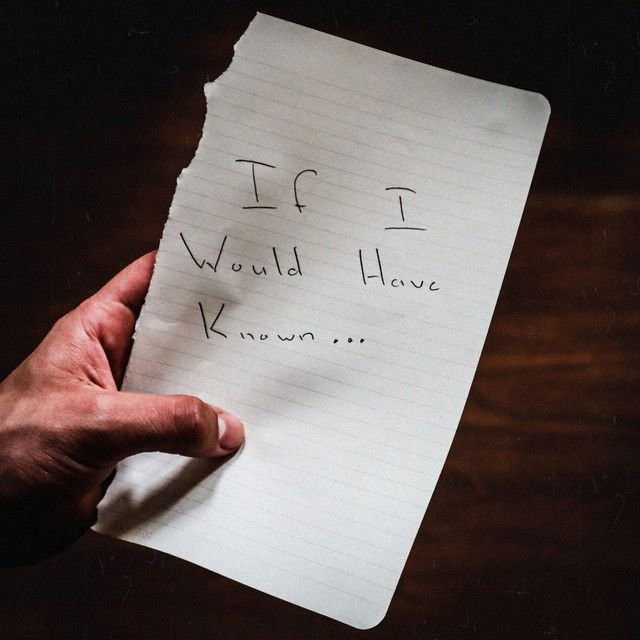
If I Would Have Known by Kyle Hume
The meaning of If I Would Have Known Kyle Hume comes down to one painful idea: regret after loss. The song captures the moment when someone looks back and realizes they did not know their time with a person was about to end. Because of that, ordinary memories suddenly feel priceless.
"If I Would Have Known" - Kyle Hume
The places we would go
Like your face is painted on the walls
Loading lyrics...
Unable to load lyrics
We're unable to display the lyrics at this time. Please try again later.
Kyle Hume and Adam Hume are credited as songwriters based on the information provided. That matters, because the writing feels personal and plainspoken rather than overly poetic. The song does not hide behind complicated language. Instead, it stays close to everyday grief: missing someone, replaying old moments, and wishing there had been one last chance to prepare.
A Song Built on Regret, Not Mystery
At its core, the song is about living with an ending that came too fast. The speaker keeps moving through familiar places, but those spaces still feel marked by the missing person. Early on, the image of seeing someone everywhere suggests grief that has not settled yet. Even when they try to move forward, the past keeps pressing in.
That is why a short phrase like painted on the walls
stands out. It suggests memory is no longer just internal. It feels physical, almost unavoidable. The world itself seems to hold the person's presence.
Interpretation: The song is likely designed to stay universal. It can be heard as a breakup song, but it also works as a grief song about death or sudden separation. Since the lyrics never define the cause, listeners can bring their own loss into it.
How the Verses Show Grief in Motion
The verses trace a very human pattern. First, there is memory. Then there is avoidance. Then there is the failure of avoidance.
They remember shared places and good times, especially how they used to laugh together. After that, they try to erase those memories or fill the gap with something new. But nothing works. That emotional sequence is believable because it mirrors how grief often works in real life: people try not to think about the loss, and then the loss shows up everywhere anyway.
One of the clearest emotional turns comes through the seasonal contrast. The relationship once felt like the summer
, but now life feels like winter. In simple language, warmth has become coldness. Joy has become isolation. It is a clean image, and that simplicity helps the song connect quickly.
The Chorus: The Real Emotional Wound
The chorus explains exactly why the song hurts. It is not just that the person is gone. It is that the speaker did not know the goodbye was the last one.
If I would have known
you wouldn't be here anymore
I would have made the moments last longer
Those lines carry the song's emotional center. The regret is not abstract. It is specific: they would have stayed longer, paid more attention, and valued the time more deeply.
Another short phrase, say goodbye
, matters because it points to unfinished closure. Many sad songs are about absence. This one is more precisely about unprepared absence. That difference gives it its ache.
Memory, Empty Space, and the Mind
A big part of the meaning of If I Would Have Known Kyle Hume is how memory works after loss. The person is gone physically, but not mentally. The song says they remain a memory and continue to live in the speaker's thoughts every day.
That creates a split reality. On one side, the world is emptier. On the other, the mind is overcrowded. The line about empty spaces
captures that well. Rooms, routines, and habits all feel unfinished. Yet the missing person still speaks inside memory.
This is also why the line about being okay feels emotionally complicated. When the speaker says they will be fine, the song does not sound fully convinced. It reads less like confidence and more like self-comfort.
Interpretation: That small hesitation may be one of the song's strongest details. It shows how people often try to sound stable while still hurting.
Why the Production Likely Matters So Much
Even without detailed public production notes provided here, the songwriting suggests a soft, emotional pop approach. A song like this usually works best when the arrangement leaves room for the words to breathe. Listeners tend to connect more deeply when vocals sit close in the mix and the instrumental stays restrained.
That matters because this lyric is not about dramatic plot twists. It is about emotional aftershock. A gentle build, spacious backing, and a sincere vocal delivery would all reinforce the central feeling: being alone with memories that will not fade.
In other words, the sound likely supports the message by avoiding excess. The song's power comes from intimacy, not spectacle.
A Universal Message Hidden in Simple Writing
What makes this track effective is its clarity. It does not try to impress the listener with clever puzzles. Instead, it says something many people have felt but struggle to phrase: if they had known the end was coming, they would have loved more carefully.
That is why the song can reach listeners dealing with:
- a breakup they did not expect
- the death of someone close
- a friendship that quietly ended
- regret over time they cannot get back
The song turns hindsight into its main emotional engine. It reminds listeners that loss often changes the meaning of old memories after the fact.
Why This Song Stays With People
The lasting power of the meaning of If I Would Have Known Kyle Hume comes from its honesty. The song understands that grief is not always loud. Sometimes it is just seeing familiar places differently, replaying old laughter, and wishing one final moment had lasted a little longer.
That is a simple idea, but it is also a deep one. The song gives shape to a feeling many people know: the pain of learning too late what mattered most.
Disclaimer: This interpretation is based on the lyrics provided and general musical context. As with many emotional songs, listeners may hear different meanings depending on their own experiences.









