Why 'Pretend We're Dead' Still Hits Hard
The meaning of Pretend We're Dead L7 starts with a blunt, memorable idea: when people shut down, the world does not stop pressuring them. Instead, power keeps moving around them. That is why this 1992 single still feels sharp. It sounds fun, rude, and catchy on the surface, but underneath, it is about apathy, frustration, and the cost of checking out.
"Pretend We're Dead" - L7
In every city, in every town
Cramping styles is the plan
Loading lyrics...
Unable to load lyrics
We're unable to display the lyrics at this time. Please try again later.
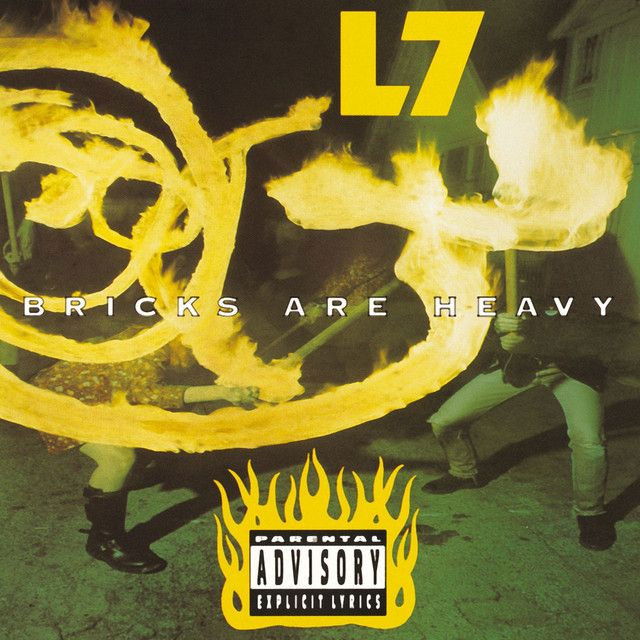
L7 released the song on Bricks Are Heavy, their third studio album, and it was written by Donita Sparks and co-produced by L7 with Butch Vig. It became the band’s biggest crossover hit, peaking at No. 8 on the US Modern Rock chart and No. 21 on the UK Singles Chart. Those facts matter because the song carried a rebellious message into a wider audience without softening its edge.
A Hook About Going Numb
At the center of the song is the repeated line pretend we're dead
. In plain terms, the phrase suggests emotional withdrawal. It is the fantasy of becoming unreachable so that pressure, conflict, and authority cannot get inside.
But the song quickly shows the flaw in that move. The chorus also says they can't hear a word we've said
, which turns the hook into a warning. If people act invisible, they also become unheard. The song’s core argument is simple: silence may feel safe, but it gives away power.
Interpretation: This is why the chorus feels both funny and bitter. It is not celebrating detachment. It is exposing how tempting detachment can be when public life feels exhausting.

Watch the official Pretend We're Dead
music video
From Breakup Line to Political Message
The song’s meaning gets clearer with context. According to Donita Sparks, the idea first came from a breakup, when she used the thought of pretending someone was dead as a coping tool. She later changed the phrase into pretend we're dead
, which widened it from a private defense into a social one.
Sparks also connected the song to Reagan- and Bush-era apathy, saying she wanted a call to action that was not preachy. That background helps explain lines about control and social pressure. When the lyric says in every city, in every town
, it expands the problem beyond one relationship or one scene. The feeling of being managed is everywhere.
This reading fits L7’s wider public identity. Around that period, the band was involved in activism including Rock for Choice, linking their music to fights over civil liberties and bodily autonomy. So while the song never reads like a slogan, it clearly comes from a band paying attention.
The Verses Aim at Conformity
The verses describe a culture that flattens people. One of the sharpest phrases is cramping styles is the plan
. Paraphrased, the song says that institutions, trends, and gatekeepers often reward sameness and punish difference.
Another key line urges listeners to wake up and smell the coffee
. That phrase is almost playful, but its job is serious. It tells people to notice what is happening before passivity becomes a habit.
There is also a striking contradiction in the line about unity and individuality. The song values collective force, yet it is suspicious of fake togetherness that erases the self. That tension matters. L7 are not arguing for blind groupthink. They are arguing for solidarity without surrender.
How the Sound Delivers the Message
Part of why the song works so well is that the music does not sound gloomy. It drives forward with chunky guitars, a tight beat, and a huge, chant-like chorus. That upbeat attack makes the warning easier to absorb. Listeners can shout along before they fully unpack what they are shouting.
Butch Vig’s production adds another layer. He has said the band spent time building overdubs, including tremolo guitars and psychedelic details that gave the track extra color. Those touches matter because they create a push-pull effect: the song is heavy, but it also shimmers. That contrast mirrors the lyric’s mix of sarcasm and alarm.
The repeated come on
chant also matters. It sounds like a rallying cry, almost like a crowd trying to wake itself up. Even when the title phrase leans toward disappearance, the arrangement keeps pulling the song back toward action.
Why the Chorus Feels So Big
The chorus works because it turns one simple phrase into several meanings at once:
- a joke about escaping people
- a defense against emotional pain
- a picture of social numbness
- a warning about political disengagement
That layering is a big reason the track lasted. Some listeners hear a breakup song first. Others hear a protest song. Both readings are supported by Sparks’s own comments and by the lyrics themselves.
A Lasting 1990s Anthem
Released in 1992, the song landed in the middle of grunge and alternative rock’s rise, yet it still stands apart. L7 brought a harder, more confrontational energy than many of their peers, and they paired that force with wit. The result is a song that feels accessible without becoming empty.
The meaning of Pretend We're Dead L7 is ultimately about the danger of giving up one’s voice. It understands why people want to shut down, but it refuses to call that freedom. Instead, it says that pretending not to care only helps the people already in charge.
That is why the song still lands today. Its sarcasm is catchy, but its message is serious: disappearing is not the same thing as winning.
Disclaimer: This interpretation combines lyrical analysis with documented artist comments and historical context. As with any song, individual listeners may hear different meanings in it.








