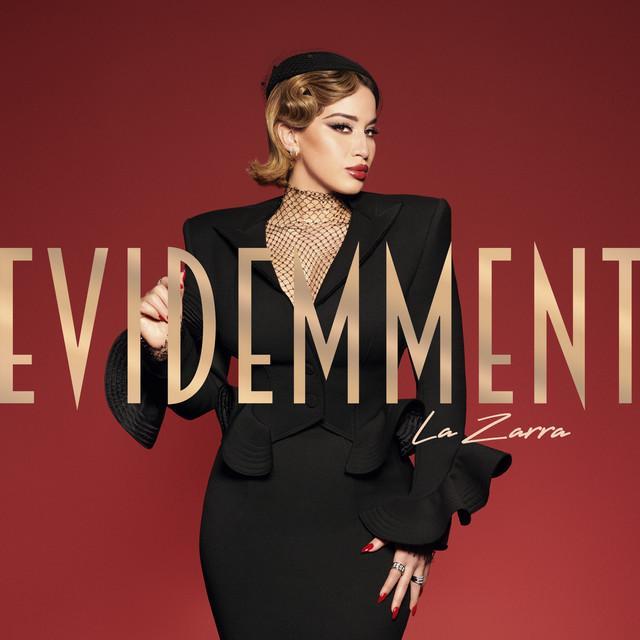
Why La Zarra’s “Évidemment” Feels So Wounded
The meaning of Évidemment La Zarra comes from a sharp contrast: the song sounds grand and elegant, but its message is bruised. Beneath the polished surface, they present a speaker who no longer trusts beauty, promises, or even their own search for truth. “Évidemment,” which translates to “obviously,” becomes less a simple word than a verdict.
"Évidemment" - La Zarra
Plus rien ne m'appartient
J'me fais du mal pour faire du bien
Loading lyrics...
Unable to load lyrics
We're unable to display the lyrics at this time. Please try again later.
La Zarra, the stage name of Fatima Zahra Hafdi, represented France at the Eurovision Song Contest 2023 with this song. That context matters. The track is built like a modern French chanson with dramatic pop production, so it carries both national style and personal confession at once.
The Real Heart of the Song Is Disillusionment
At the center, the song describes someone who feels split from themselves. Early lines suggest the body and emotions no longer feel fully theirs. When the speaker says plus rien ne m'appartient
, the idea is not just heartbreak. It is loss of control.
That mood deepens with the image of self-harm in the emotional sense: hurting oneself in order to feel something better later. The song keeps returning to this cycle of damage and denial. They try to forget as if it were easy, but the rest of the lyrics show it is not easy at all.
Interpretation: This can be heard as the aftermath of love, but also as the emotional price of ambition, public life, or disappointment. The song never locks itself into one story, which is part of its power.
A Chorus That Turns “Obviously” Into a Warning
The chorus explains why the song hits so hard. The repeated Évidemment
sounds elegant on the surface, yet the lines around it are deeply skeptical. Promises are described as empty air, and sunny moments are followed by rain.
après l'beau temps vient la pluie
c'est c'qu'on oublie
Those two short lines sum up the worldview of the song. People enjoy beauty and success, but they forget that change, pain, and disappointment usually follow. In other words, the chorus is not just sad. It is corrective.
The phrase cette fille d'avant
matters too. The speaker says that earlier version of themselves is gone for good. That gives the song a strong before-and-after structure: innocence existed once, but experience has altered it.
Images of Gardens, Rain, and the Unreachable Sky
One of the strongest parts of the meaning of Évidemment La Zarra is its imagery. The lyrics use poetic symbols instead of plain explanation, which gives the song a classic French pop feel.
The garden of hell
The speaker describes a personal hell where flowers still grow. That is a striking contradiction: beauty survives inside suffering. They water those flowers with dreams and tears, suggesting that hope and grief feed the same inner world.
This image supports the song’s central tension. Even in pain, they remain drawn to romance, glamour, and feeling.
The roof of the world
The line about being on top of the world but still not touching the sky suggests that success has limits. A person can look accomplished from the outside and still feel far from what they truly want.
Interpretation: This may reflect emotional dissatisfaction, but it also fits La Zarra’s performance persona. The song often sounds like someone standing in the spotlight while quietly admitting the spotlight is not enough.
Time, Truth, and the Self They Can’t Recover
The second verse sharpens the song’s philosophical side. The speaker says they sell tomorrow and buy back yesterday, then calls time an assassin. This is a dramatic way of saying they are trapped between regret and fear.
They also admit they are searching for truth while avoiding it. That confession is crucial. The song is not about simple victimhood. It shows self-awareness. They know they are caught in habits of denial, nostalgia, and emotional confusion.
That complexity keeps the song from feeling one-note. It is wounded, yes, but also honest about the ways people participate in their own confusion.
The Performance Angle Changes the Meaning
Near the end, the lyrics shift from inner thoughts to public address. The speaker says they sing their life and the listener’s life too, with a little romance, and stand emotionally exposed before the audience. That moment makes the song feel almost theatrical.
Because La Zarra performed it on a huge international stage, that section reads like an artist statement as well as a lyric. According to Eurovision, the song was presented as a grand French entry rooted in chanson style. In that setting, the question about singing “la Grande France” feels tied to identity, representation, and artistic pressure.
How the Sound Supports the Lyrics
Musically, “Évidemment” blends chanson drama with sleek pop and disco touches. The beat gives it lift, but the melody and vocal phrasing carry melancholy. That balance is key: the production sparkles while the words keep pulling downward.
La Zarra’s vocal delivery is controlled and poised rather than explosive. That restraint makes the sadness feel dignified. Instead of collapsing under emotion, they hold it in a glamorous frame. For listeners in the United States, that mix may recall torch-song drama filtered through Eurovision-sized polish.
Final Take on the Song’s Message
In the end, the meaning of Évidemment La Zarra is about what happens after illusions break. The song suggests that beauty is real, but unstable; promises are attractive, but often hollow; and once someone has seen too much, they cannot become the same person again.
That is why “Évidemment” lingers. It turns elegance into armor and heartbreak into insight.
Disclaimer: This interpretation is based on the lyrics, performance context, and available public information. As with any song, listeners may hear different meanings in it.







