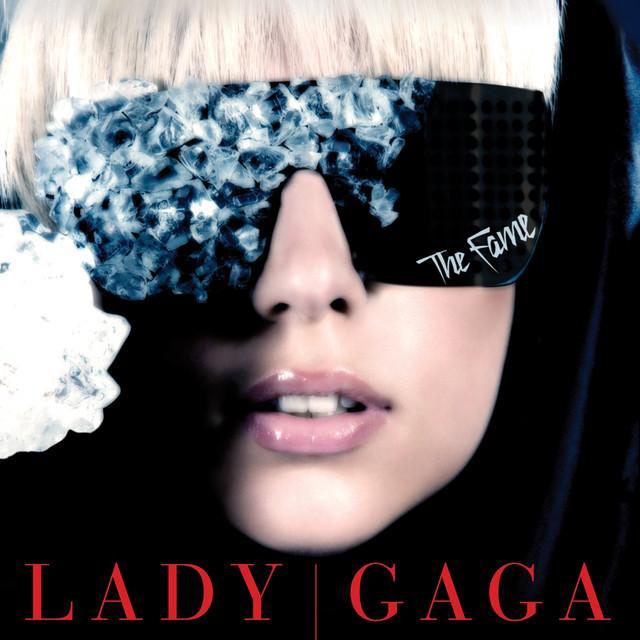
Paparazzi by Lady Gaga
Why This Song Still Grabs People
The meaning of Paparazzi Lady Gaga is bigger than a simple pop romance. On the surface, the song sounds like a catchy dance track about intense devotion. Under that surface, it explores how fame can distort love, turn attention into power, and make obsession feel glamorous.
"Paparazzi" - Lady Gaga
Got my flash on, it's true
Need that picture of you, it's so magical
Loading lyrics...
Unable to load lyrics
We're unable to display the lyrics at this time. Please try again later.
Released on The Fame, the song was written by Lady Gaga and Rob Fusari, with Fusari as producer. It became one of Gaga’s defining early hits and peaked at No. 6 on the Billboard Hot 100, while also reaching No. 1 on Billboard’s Pop Songs chart. It remains one of the standout singles from her debut era. See the song’s release and chart history in the available reference sources listed below.

Watch the official Paparazzi
music video
The Core Meaning: Love, Fame, and Surveillance
At its heart, the song blends three roles into one voice: the fan, the lover, and the paparazzo. That is why the hook feels so clever. When the narrator says I'm your biggest fan
, it sounds sweet at first. But when that devotion turns into follow you until you love me
, affection starts to sound controlling.
That shift is the key to the song’s meaning. Gaga presents desire as something fed by celebrity culture. The person being chased is not just a crush. They are a star, an image, a public object. The narrator wants closeness, but also access, status, and visibility.
Interpretation: The song suggests that in a fame-driven world, love can start to look like stalking, and attention can replace intimacy.
A Narrator Who Wants More Than Romance
The first verse introduces cameras, poses, and image-making right away. Phrases like Got my flash on
and this photo of us
push the relationship into public view. The song is not interested in private love. It is interested in what happens when romance becomes performance.
That matters because the narrator seems aware of the game. They are not only chasing the star; they also want to become part of the star’s world. Backstage access, velvet ropes, style, and spectacle all blur together. The song makes fame feel seductive, but also hollow.
How the Chorus Turns Obsession Into Pop
The chorus is where the song’s tension becomes unforgettable. The title phrase papa-paparazzi
is playful and sticky, but the words around it are intense. The promise to be kind sits next to the refusal to stop. That contrast makes the hook feel both flirty and threatening.
Interpretation: Gaga uses a huge pop chorus to mimic the cycle of celebrity itself. It is catchy, repetitive, and impossible to ignore—just like media attention.
The brilliance of the chorus is that it never fully settles into one emotion. It can sound like devotion, satire, fantasy, or warning depending on how the listener hears it.
The Images That Build the Song’s World
The song uses fashion and nightlife details to create a glossy setting: leather, jeans, backstage scenes, makeup, cigarettes, and flashing lights. These are not random decorations. They build a world where image is currency.
One of the sharpest lines is We're plastic, but we still have fun
. In plain terms, the song admits that this glamorous world can be fake, yet still exciting. That confession gives the track some bite. It knows celebrity culture is artificial, but it also knows why people cannot look away.
Fame as a Mutual Exchange
Another important idea in the song is that celebrities and paparazzi need each other. The camera feeds the star, and the star feeds the camera. The narrator does not act like an outsider attacking fame. They want inside.
That matches Gaga’s own comments from the era, where she described the song as being about fame, love, and the strange art of media attention. In short, the song is not only criticizing the system. It is also fascinated by it.
How the Production Supports the Meaning
“Paparazzi” works because the sound carries the message. The track is a dance-pop and techno-pop single with sleek synths, club-ready percussion, and a cool, controlled vocal style. Its tempo is commonly cited around 115–116 BPM in source material, fast enough to feel urgent but smooth enough to feel glamorous.
That matters because the production never sounds chaotic, even when the lyrics suggest obsession. Instead, the music feels polished and expensive. The result is a perfect match for the song’s theme: dangerous emotions hidden inside beautiful surfaces.
The verse melody feels a little colder and more restrained, while the chorus opens up into a brighter, bigger release. That musical lift mirrors the emotional trap of fame. The rush feels great, even if it is built on something unhealthy.
The Video Pushes the Song Toward Tragedy
The Jonas Åkerlund-directed video gave the song even more depth. In the short film, Gaga plays a star figure surrounded by photographers, violence, and media spectacle. The story includes a near-death fall, a revenge plot, and a return to public attention.
That visual story sharpens the song’s themes. Fame is shown as seductive, brutal, and theatrical all at once. The cameras do not simply record suffering; they turn it into content. That idea helped make “Paparazzi” one of the clearest statements from Gaga’s early career about celebrity culture.
Why “Paparazzi” Endures
Part of the reason the song still lasts is its balance. It is accessible enough to work as pure pop, but layered enough to reward closer listening. Casual listeners can enjoy the hook. Deeper listeners can hear a song about power, image, and the cost of being seen.
So the meaning of Paparazzi Lady Gaga is not just that someone is obsessed with a star. It is that modern fame makes obsession feel normal, profitable, and even romantic. Gaga turns that uncomfortable truth into a brilliant pop record.
Disclaimer: This interpretation combines documented context with critical reading of the lyrics, sound, and video. Meaning can vary from listener to listener.







