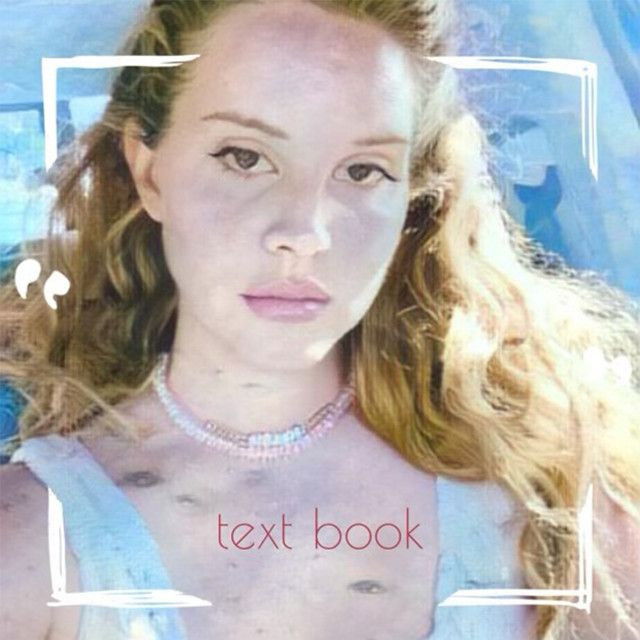
Text Book by Lana Del Rey
Lana Del Rey opens this song like a confession, then turns it into a study of love, family history, and the need to be truly seen.
"Text Book" - Lana Del Rey
Provided by LyricFindI guess you could call it textbook
I was lookin' for the father I wanted back
And I thought I found it in BrentwoodLoading...Loading lyrics...
Unable to load lyrics
We're unable to display the lyrics at this time. Please try again later.
Why “Text Book” Feels So Personal
The meaning of Text Book Lana Del Rey starts with a familiar pattern: they describe a relationship that feels almost pre-written. The title hints that the emotional script is predictable. They are drawn to someone who reminds them of a missing father figure, and they know that pull is both powerful and risky.
Very early, the song makes that idea plain with textbook
and looking for the father
. Those phrases suggest a person who recognizes their own habits in love. Instead of hiding that truth, the song puts it front and center.
Factually, “Text Book” was released in 2021 and later appeared on Lana Del Rey’s album Blue Banisters, a record shaped by memory, family, and self-examination. According to the song’s album release details and credits listed by Genius credits, it was written by Elizabeth Grant and Gabriel Simon.
Watch the official Text Book
music video
The Core Story: Love Mixed With Old Wounds
At its heart, the song follows someone who enters a romance while carrying deep family pain. They are not just falling for a person. They are also chasing comfort, protection, and a sense of being understood.
When the song mentions Brentwood
and a man who would have my back
, it paints an image of safety and status, but also fantasy. That fantasy gets complicated by jealousy, insecurity, and the presence of another woman. The relationship is not a clean escape. It is a mirror.
Interpretation: the song is less about ideal love than about repeating emotional patterns until they are finally understood. The narrator seems aware that they are reenacting a wound, not simply living a romance.
How the Father Theme Shapes Everything
The father motif is the emotional key to the whole song. The line about the Thunderbird connects the present lover to the past father in one quick image. A car becomes inheritance, memory, and longing all at once.
That is why rewrite history
matters so much. The singer is not only asking for another chance at love. They are imagining whether adult intimacy can repair a much older hurt. In other words, romance becomes a place where childhood grief is replayed.
Old Man River keeps rollin'
With or without him
This brief ending idea is crucial. Life moves on whether the father is present or not. The river image suggests time, grief, and history continuing beyond one person’s loss.
Protest, Identity, and Being Seen
One of the song’s most discussed details is the reference to Black Lives Matter
. In the narrative, this moment is not presented as a random headline drop. It becomes part of a scene where the narrator feels seen by their partner.
When they say they saw that he saw who they were, the song links public action with private recognition. The crowd setting matters. It suggests that identity is not only personal; it is social and moral too.
Interpretation: this section may show the narrator searching for a love that is emotionally intimate but also ethically awake. They do not just want affection. They want someone who understands their full self in the real world, not in a fantasy bubble.
Jealousy and Self-Knowledge in the Middle
Midway through, the song shifts. The speaker questions whether changing their appearance could restore the past, then admits jealousy in a way that feels new and unsettling. This is an important turn because it breaks the dreamy mood.
They are no longer floating inside nostalgia. They are confronting how fragile the relationship feels. The admission jealous now
shows a person surprised by their own emotions.
At the same time, the song keeps insisting on difference. They say they are not that girl
, which sounds like a refusal to fit a role someone else may want. That line adds tension: they long for connection, but they also fear disappearing inside someone else’s story.
What the Sound Adds to the Meaning
The production supports the song’s emotional blur. “Text Book” moves with a soft, slow pulse rather than a sharp pop structure. The arrangement feels spacious, with gentle percussion, warm keys, and a hazy atmosphere that lets the voice carry the weight.
That matters because the song is built on reflection, not action. The music does not rush toward a climax. Instead, it drifts, as if memory itself is guiding the rhythm. Gabriel Simon’s co-writing connection also fits that intimate tone, since the song feels less like a performance than a private thought being spoken aloud.
The Big Meaning Behind “Text Book”
So what is the meaning of Text Book Lana Del Rey in one sentence? It is a song about recognizing how old family wounds shape romantic desire, while still hoping love might offer freedom instead of repetition.
The most moving part is that the song never claims an easy cure. It holds several truths at once: love can feel healing, memory can distort love, and self-awareness does not always stop pain. That layered honesty is what gives “Text Book” its power.
Final Thought
Rather than telling a neat story, Lana Del Rey lets the song sit in contradiction: longing and doubt, public history and private hurt, father absence and adult desire. That is why it lands so hard. It sounds like someone reading their own patterns in real time and wondering if this time the ending can change.
Disclaimer: This interpretation is based on the lyrics, official credits, and widely available release context. As with most Lana Del Rey songs, listeners may reasonably hear different meanings in the same lines.







