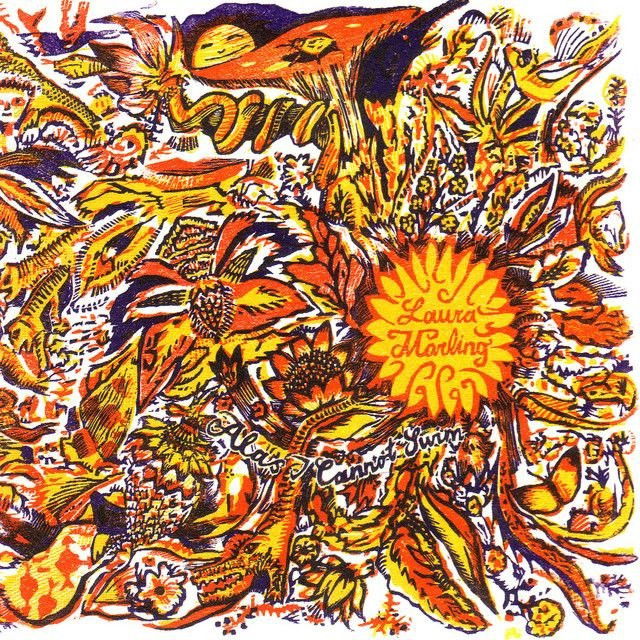
Ghosts by Laura Marling
Why This Folk Song Still Lingers
The meaning of Ghosts Laura Marling comes down to one painful idea: people do not enter love empty-handed. They bring old heartbreak, old fear, and old versions of themselves. In this song, those leftovers are called ghosts.
"Ghosts" - Laura Marling
Staring solely at his feet
Clutching pictures of past lovers at his side
Loading lyrics...
Unable to load lyrics
We're unable to display the lyrics at this time. Please try again later.
Released on Marling’s debut album Alas, I Cannot Swim in 2008, the track helped introduce them as a young British folk writer with a sharp eye for emotional detail. The album was nominated for the Mercury Prize, and Marling quickly became known for writing songs that sounded old-souled but emotionally modern. That context matters, because “Ghosts” is simple on the surface but emotionally layered underneath.

Watch the official Ghosts
music video
The Core Story Hiding in Plain Sight
At first, the song describes a man carrying the remains of earlier relationships into a new one. He arrives almost like someone making a confession. The line just ghosts
sounds calming at first, as if he is trying to minimize the damage. But the rest of the song shows those memories are not small at all.
He is still grieving. He is still shaped by the people who hurt him. When the lyric points to ghosts that broke my heart
, it turns old lovers into a haunting force. They are gone, but they still control how he loves now.
Interpretation: The song is not only about exes. It is about emotional residue—what stays in the room after a relationship ends.
A Love Song About Emotional Baggage
One of the song’s strongest ideas is that honesty does not automatically fix pain. The man opens himself up, but what comes out is a warning. The image of an unlocked
heart should feel hopeful, yet it reveals someone who is still mourning
.
That contrast is the key to the song. Vulnerability is present, but healing is incomplete. The person hearing this confession is asked to understand a wound they did not cause.
There is also a quiet sadness in how the song frames love as negotiation. Instead of promising forever, the speaker pushes back against fantasy. The repeated thought about not believing in lasting love feels less cruel than defensive. It sounds like someone trying not to make a promise their heart cannot yet trust.
How the Lyrics Shift the Emotional Ground
From observation to involvement
Most of the song begins in the third person, watching he walked down a busy street
and describing his pain from a slight distance. That storytelling choice matters. It makes his suffering feel like a scene, almost like a folk ballad.
Then the song changes. Near the end, the voice becomes more personal, and the distance collapses. Suddenly the listener realizes the observer is emotionally tied to him. That twist gives the song a stronger ache: this is not just a portrait of a broken man, but a relationship in motion.
The chorus as a shield
The repeated plea about not falling to one’s knees works like a shield against romantic idealism. It resists surrender. Instead of saying love saves, the song questions whether love lasts at all.
Interpretation: That does not mean the song rejects love. It suggests love is harder when memory keeps interrupting it.
What the Main Images Really Mean
Marling uses very plain objects, but each one carries weight:
- Pictures suggest that memory can be held, shown, and revisited.
- Empty chairs turn absence into something visible.
- Locks imply emotional self-protection.
- Ghosts turn past lovers into living influences.
These are not flashy symbols. That is why they work. The images are ordinary, and so is the pain. Many listeners know what it feels like to meet someone who is physically present but emotionally crowded by the past.
There is also a striking line about losing self-esteem at nineteen. That detail roots the song in youth, when heartbreak can feel identity-shaping. It keeps the track from sounding abstract. The pain has a timeline.
How the Sound Carries the Meaning
“Ghosts” lives in a spare folk setting that lets the lyric lead. Marling’s early work is often built around acoustic guitar, light rhythm, and uncluttered arrangements, and that approach suits this song well. On Alas, I Cannot Swim, the production is credited to Charlie Fink, and the album’s sound regularly favors intimacy over drama.
That matters here. A bigger arrangement could have turned the song into melodrama. Instead, the performance feels conversational and wounded. The calm delivery makes the sadness hit harder, because it sounds lived-in rather than performed.
The melody also circles gently, which mirrors the idea of rumination. The song does not rush toward resolution. It keeps returning to the same fear, the same memory, the same doubt.
Why the Song Connects So Deeply
Part of the lasting appeal of the meaning of Ghosts Laura Marling is that it treats heartbreak as something that follows people forward. Many songs focus on the breakup itself. This one focuses on the afterlife of a breakup.
It also avoids easy comfort. Nobody is neatly healed. Nobody gives a grand romantic speech. Instead, the song asks a more adult question: what does new love look like when old pain still has a voice?
That honesty is probably why the song has endured with fans of modern folk. Marling does not glamorize damage, but they do acknowledge its power.
The Lasting Takeaway
“Ghosts” is about the way memory enters a room before trust does. It shows two people trying to meet each other while the past keeps speaking first.
Interpretation: The song’s deepest sadness may be that love is possible here, but belief is not. That gap—between wanting connection and fearing it—gives the track its staying power.
Disclaimer: This interpretation is based on the released lyrics, performance, and publicly available context. As with many songs, listeners may hear different meanings in the same lines.







