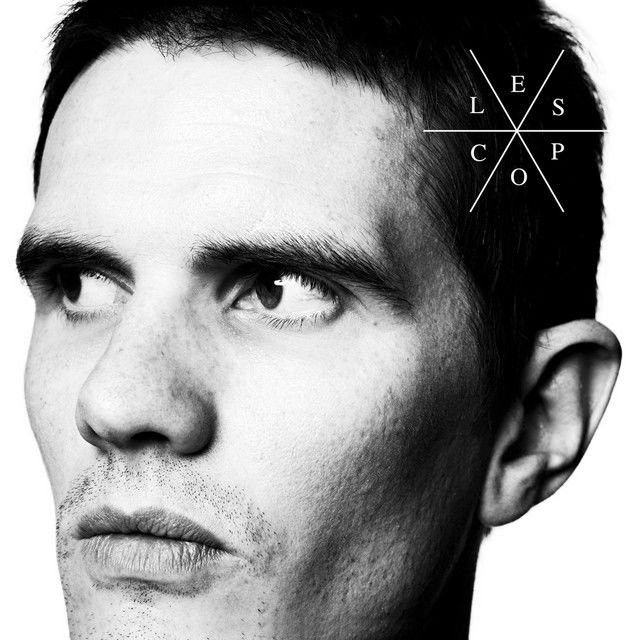
La forêt by Lescop: A Stylish Song of Fear
The meaning of La forêt Lescop starts with a simple image: two people meet in the woods at night, and one of them does not leave unchanged. The song is direct in its plot, but it feels larger than a crime story. Lescop turns the scene into something cold, elegant, and unsettling.
"La forêt" - Lescop
Une douleur glaciale qui s'élance
La Foret soudain qui frémit
Loading lyrics...
Unable to load lyrics
We're unable to display the lyrics at this time. Please try again later.
Best known for a dark, synth-driven style shaped by French new wave and post-punk, Lescop emerged with his self-titled debut in 2012, which included "La forêt". Public discographies and label pages credit the track to Gaël Etienne, Nicolas Congé, and Mathieu Peudupin, the writers named in the material provided. In that context, the song fits their world perfectly: detached vocals, sharp imagery, and danger hiding inside desire.
A Noir Story Told in Moonlight
On the surface, the song tells a clear story. A gunshot breaks the night. A second shot changes everything. The narrator meets someone in the forest for what sounds like a planned but uneasy rendezvous, and the encounter turns fatal.
The lyrics build that scene with details that feel visual and physical. The night opens with un coup de feu
, then the forest trembles, then silence arrives. That order matters. The violence is sudden, but the aftermath is even more important. The quiet makes the act feel final.
Interpretation: While the plot points suggest a literal shooting, the song also works as an emotional execution. The meeting may represent a breakup, revenge, or the final collapse of a relationship already loaded with fear.

Watch the official La forêt
music video
Who Holds the Power Here?
One of the strongest ideas in the song is reversal. At first, the narrator seems shocked and exposed. The other person appears calm enough to deliver judgment, almost like they have already decided the outcome.
That shift becomes especially clear in the chilling phrase cette fois c'est moi qui joue
. Paraphrased, the other person is saying that now they control the scene. The word “play” makes the moment more disturbing, because it sounds casual inside a deadly encounter.
There is also intimacy mixed with threat. The narrator feels breath on their neck and the touch of a weapon on their cheek. Those details place closeness and violence side by side. In this song, affection has curdled into danger.
A Brief Timeline of the Scene
- A shot breaks the night.
- The narrator meets the other person in the woods.
- Tension rises during the encounter.
- Another shot lands and the body falls.
- Silence returns as the other person leaves.
That simple structure is part of the song’s power. It does not over-explain. It lets the listener sit inside the scene.
The Forest Is More Than a Setting
In the meaning of La forêt Lescop, the forest matters because it is both a place and a symbol. It gives the song secrecy, distance from society, and a dreamlike quality. No witnesses, no safety, no easy truth.
When the song returns to sous la lune
, it deepens that mood. Moonlight often signals exposure mixed with unreality. Things can be seen, but not fully. That fits a song where motives are implied more than explained.
The forest also reacts. It seems to shiver after the gunshots, almost like it is the only witness. Then silence settles in again. Nature does not stop the violence, but it absorbs it. That makes the scene feel ancient and cold, not just personal.
Interpretation: The woods may symbolize the hidden zone of a relationship, the place where private resentments, fantasies, and power games finally become visible.
How the Chorus Locks the Mood in Place
The recurring section does not widen the story. Instead, it traps the listener inside it. Each return to the meeting in the forest feels less like repetition and more like reliving trauma.
A phrase like situation compliquée
sounds almost understated compared with what is happening. That understatement is key to Lescop’s style. Rather than screaming the emotion, the song keeps a cool face. That makes the horror sharper.
There is also a strong contrast between romance and violence. An improvised meeting under the moon could belong to a love song. Here, it becomes a setup for collapse. The song uses the structure of seduction, then turns it into a scene of punishment.
Why the Sound Matters So Much
Lescop’s recordings are often defined by drum-machine pulse, icy synths, and a vocal delivery that stays restrained rather than explosive. That approach matters here. A dramatic vocal might have pushed the song toward melodrama. Instead, the controlled tone gives it a noir distance.
The result is tension without release. The beat keeps moving, the synths keep glowing, and the voice tells the story almost as if it has already happened. That emotional coolness suits lines like plus rien, plus un bruit
. Once the violence is done, the music seems to understand that emptiness.
For American listeners, one useful comparison is the way some post-punk songs make fear feel stylish without making it glamorous. The production does not celebrate the act. It frames it with dread.
Two Strong Ways to Read the Ending
There are at least two convincing readings of the song:
- Literal reading: It is a murder ballad in modern, synth-pop form.
- Interpretive reading: It is about emotional annihilation after betrayal or a toxic power struggle.
Both readings are supported by the same details: a secret meeting, physical closeness, judgment, a final blow, and then abandonment. Even the line about nobody seeing anything points to both crime and private heartbreak.
The Last Echo
The meaning of La forêt Lescop lies in how neatly it joins storytelling and atmosphere. It is about violence, but also about control, seduction, and the moment a relationship becomes fatal in spirit or in fact.
That is why the song lingers. It leaves behind not just a plot, but a temperature: cold air, tense breath, and a silence that feels heavier than the gunshots.
Disclaimer: This interpretation mixes lyrical analysis with informed inference. Unless the artist has explicitly confirmed a meaning, parts of the reading remain interpretive.








