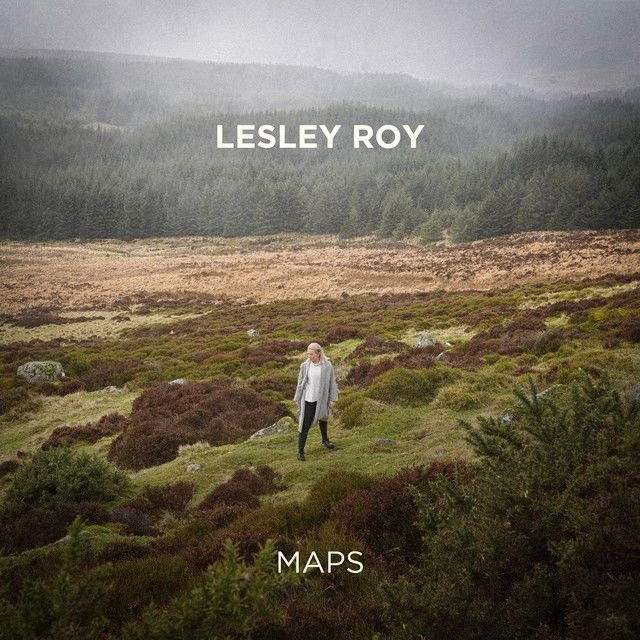
Maps by Lesley Roy Meaning: The Way Back Home
The meaning of Maps Lesley Roy centers on a simple but powerful idea: getting lost can be part of finding oneself. The song frames healing not as a straight path, but as a return after fear, false starts, and emotional exhaustion. Rather than looking outward for rescue, it turns inward and says the answer has been there all along.
"Maps" - Lesley Roy
Let up the power that I've been hiding
Not afraid of the monsters, of the nightmares
Loading lyrics...
Unable to load lyrics
We're unable to display the lyrics at this time. Please try again later.
Lesley Roy released “Maps” as Ireland’s Eurovision 2021 entry, and it was written by Roy with Emelie Eriksson, Philip Strand, and Lukas Hallgren. That context matters because Eurovision songs often aim for big emotional clarity, and “Maps” does exactly that through an uplifting pop-rock build and a message of resilience.
A Journey Inward, Not Outward
At first glance, “Maps” sounds like a travel song. But the movement in the lyrics is emotional, not geographic. The speaker is not trying to get to a city or a person. They are trying to get back to themselves.
The opening idea of dropping defenses sets the tone. When the song mentions let go of the armor
, it points to emotional protection that no longer helps. The same goes for the fears named as monsters and nightmares. Those images are less about literal threats and more about anxiety, pressure, and old pain.
Interpretation: The song suggests that healing begins when a person stops performing strength and starts practicing honesty. Their breakthrough is not becoming fearless. It is learning to move forward while fear still exists.

Watch the official Maps
music video
Why the Verses Feel So Personal
The verses tell a clear inner story. First, the narrator admits they have been hiding. Then they admit they have taken wrong turns. Finally, they realize those wrong turns still taught them something useful.
That is why lines about taking the long way matter. The song does not treat mistakes as wasted time. Instead, it recasts them as part of a larger path toward self-knowledge. When the narrator says I fell twice
and became stronger, the point is not perfection. The point is endurance.
This is one reason the song feels so approachable for listeners in the United States and elsewhere. Its message is broad enough to fit heartbreak, burnout, identity struggles, or mental health battles without being trapped in just one storyline.
The Chorus Turns Confusion Into Clarity
The chorus contains the song’s central realization. The narrator has been searching all the wrong places
and trying too many faces
. In plain terms, they have looked outside themselves for answers and have experimented with versions of identity that do not feel true.
That second phrase is especially important. “Faces” suggests masks, roles, or personas. The song is not just about being lost. It is about becoming disconnected from one’s real self by adapting too much to pressure, fear, or expectation.
Then comes the emotional pivot: the way back home
. Home here reads less like a building and more like a state of being. It means self-recognition, peace, and emotional alignment.
My soul is a map
My heart is a compass
I am the road
This is the song’s key image. It says the guide, the direction, and even the path all exist within the self. That is a strong pop lyric because it turns a private insight into a memorable, visual hook.
Symbols That Carry the Message
“Maps” uses a small set of recurring symbols, and each one supports the same theme:
- Armor = emotional defense
- Monsters/nightmares = fear, anxiety, or inner struggle
- Grey and colors = despair turning into hope
- Map/compass/road = inner guidance and identity
- Home = the true self
The line about finding color in grey is especially effective because it captures recovery in simple language. The world has not fully changed, but the narrator’s way of seeing it has.
How the Sound Supports the Meaning
Musically, “Maps” delivers its message through momentum. It blends pop structure with rock energy, letting the vocal climb from restraint into release. The production supports a feeling of movement: steady rhythm, bright synth textures, and a swelling chorus that feels built for emotional lift.
That matters for meaning. A song about finding one’s path could have sounded fragile or quiet. Instead, “Maps” sounds determined. Its beat pushes forward, matching the lyric’s insistence that there is only one direction left to go.
Interpretation: The polished, rising production makes the song feel less like a diary entry and more like a declaration. The narrator is not only reflecting on pain; they are actively stepping beyond it.
Artist Context Helps Explain the Song
Lesley Roy is an Irish singer-songwriter known for emotionally direct pop-rock writing, and “Maps” fits that style. Its Eurovision role also helps explain why the song aims for immediate emotional connection, a strong hook, and an easy-to-grasp metaphor.
Even without long narrative detail, the song works because its writing is efficient. Roy and her co-writers build the whole track around one central concept: the person was lost, but their inner life already held the route back.
Final Take on the Meaning of Maps Lesley Roy
The meaning of Maps Lesley Roy is about resilience, self-trust, and returning to who they really are. It tells listeners that fear, mistakes, and detours do not erase identity. In fact, they may reveal it.
That is why the song lands as both personal and universal. It offers a comforting idea: when life feels confusing, the map may not be somewhere out in the world. It may already be inside.
Disclaimer: This interpretation is based on the released lyrics, songwriting context, and musical presentation. As with any song, different listeners may hear different meanings.









