
Shotgun by Less Than Jake
The meaning of Shotgun Less Than Jake comes through fast and hard. In just a few lines, the song sketches a world where poverty, shame, and neglect build toward violence. They do not present a polished moral lesson. Instead, they drop the listener into a dark scene and let the details do the work.
"Shotgun" - Less Than Jake
No money, no respect and too much bad luck
Desperation had gotten to him at last
Loading lyrics...
Unable to load lyrics
We're unable to display the lyrics at this time. Please try again later.
Because the lyric is so brief, the song feels more like a snapshot than a full movie. That is part of its power. It suggests that one violent moment is never really isolated; it grows out of pressures people ignored before the blast.
A Small Story With a Heavy Point
At the center of the song is a young person described as beaten down by life. The opening image of someone so low
frames the whole track around collapse, not rebellion. They are not romanticizing struggle. They are showing someone who has run out of options, money, and dignity.
The next details push that idea further: no money
, no respect, and constant bad luck. Those phrases matter because they stack material hardship with social humiliation. The song is not only about being broke. It is also about feeling unseen and stripped of worth.
Interpretation: The key idea is that violence does not appear from nowhere. The lyric argues that desperation can grow in silence until it becomes irreversible.
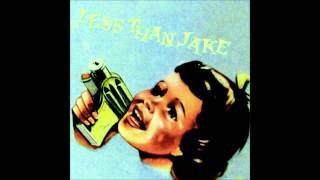
Watch the official Shotgun
music video
How the Scene Builds Its Tension
The song uses a few stark images to create its setting. The repeated reference to It was dark
is simple, but effective. Darkness here is both literal and emotional. It places the action in a threatening space while also suggesting hopelessness.
Then the song lands on the central image: Dark alley
and a shot gun blast
. That moment arrives quickly, almost too quickly, which mirrors how shocking violence feels to witnesses. Yet the earlier lines imply that the conditions leading to it were visible all along.
There is also a second figure, a man everyone thinks is unstable. He appears with a cane, always nearby, like a neighborhood ghost or warning sign. His presence widens the song’s world. This is not one isolated person in pain; it is a whole environment full of people others dismiss.
Who Is Speaking, and Why It Matters
The narrator seems to be an observer. They say they knew this man, and they describe the scene from close range, but not as the direct victim. That third-person distance matters because it turns the song into social witness.
Rather than confessing their own breakdown, they report on what they saw and what people failed to see. That choice makes the song feel like a commentary on a community. The narrator is close enough to notice details, but distant enough to recognize a pattern.
The Hook as a Warning
The chorus-like line says that no one thinks about it until someone is out of your head
. Paraphrased, the idea is that people ignore danger, mental strain, or social collapse until a crisis is impossible to miss.
Interpretation: This may be the song’s sharpest point. It criticizes a habit many communities have: they treat suffering as background noise until it erupts into spectacle.
Themes Beneath the Violence
Several themes run through the lyric:
- Desperation: hard times push the central figure beyond endurance.
- Neglect: others notice oddness or distress but do little with that knowledge.
- Urban isolation: the alley, passing car, and nighttime setting make the world feel cold and detached.
- Public blindness: people only react after the violent event.
The line about a car rolling past is especially effective because it hints at indifference. Life keeps moving. Someone drives by. The world does not stop for private suffering until disaster forces attention.
How the Sound Likely Carries the Meaning
Less Than Jake are widely known for mixing punk energy with ska rhythms and sharp hooks, a style documented across their long career by sources such as AllMusic and Encyclopaedia Britannica. That context matters when reading “Shotgun.” Even without a lush narrative arrangement, their fast attack can make bleak lyrics hit harder.
In a song like this, a tight rhythm section and urgent vocal delivery would reinforce the sense of panic and inevitability. If the music moves quickly while the images stay grim, that contrast creates unease. The listener is pulled forward before they can settle into any one detail, much like the narrator racing through a traumatic memory.
The writer credits supplied here—John Everett Otto, Samuel Robert Rivers, Wesley Louden Borland, and William Frederick Durst—also suggest a collaborative rock framework rather than a confessional solo piece. That can help explain why the song feels blunt and cinematic instead of inward and poetic.
More Than One Valid Reading
There are at least two strong ways to hear the song.
Reading One: A Literal Street Tragedy
Taken plainly, the lyric tells the story of a desperate kid, a troubled local man, and a violent act in a dark alley. In this version, the song is a compressed narrative about crime, hopelessness, and the shock felt after the fact.
Reading Two: A Social Critique
Interpretation: The darker and deeper reading is that the song condemns neglect. The people in it are visible, but not truly seen. Poverty, instability, and danger are treated as ordinary scenery until a blast makes everyone pay attention.
Why the Song Still Lands
The meaning of Shotgun Less Than Jake is not hidden behind complex symbolism. They make it plain: when people are cornered by hardship and ignored by everyone around them, the result can be catastrophic. The song is short, but its argument is big.
That is why it sticks. It does not ask listeners to admire the darkness. It asks them to notice what came before it.
Disclaimer: This interpretation is based on the released lyrics and available context. As with many songs, listeners may reasonably hear different meanings in the track.








