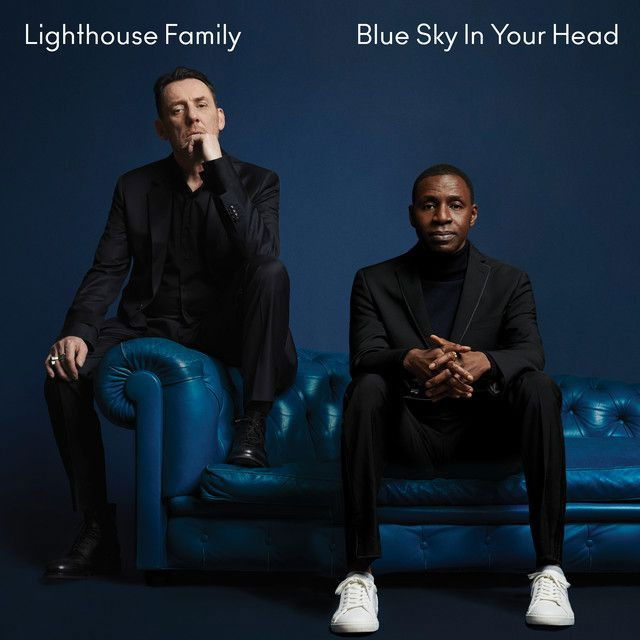
Lost In Space by Lighthouse Family
They wrote Lost in Space as a vow to stay grounded by someone else’s light. The narrator admits life can feel self-centered and noisy, but a steady presence pulls them back to purpose. For readers searching the meaning of Lost In Space Lighthouse Family, this is a story about guidance—romantic, spiritual, or both—told through calm pop-soul and night-sky imagery.
"Lost In Space" - Lighthouse Family
You are the one thing that keeps me smiling
That's why I'm always wishing hard for you
Loading lyrics...
Unable to load lyrics
We're unable to display the lyrics at this time. Please try again later.
A promise against the drift
The song opens by pushing back on a culture of me-first attitude
. Instead of chasing ego, the narrator centers a person who keeps them smiling and focused. The pivot from self to other is the moral and emotional core.
Across the verses, their partner’s energy is a beacon: life shines so bright
and they’re the first star at night
. In plain terms, this is gratitude turned into a compass. The singer says: when everything feels scattered, your presence gives me bearings.

Watch the official Lost In Space
music video
The chorus as a devotional anchor
Here’s the heart of the track:
And I'll never lose my faith in you How will I ever get to heaven, if I do
Interpretation: They pledge absolute trust. The “heaven” line suggests that losing faith in this “you” would also cost them their path to goodness, peace, or salvation. Whether that “you” is a lover, a friend, or a higher power is left open on purpose. The vow’s repetition makes it sound like a mantra.
Stars, satellites, and what they really mean
Space words give the feelings shape. Calling the beloved a soul satellite
paints them as a constant orbiting guide—always there, even when physically distant. Saying they’d be lost in space without you
frames loneliness as cosmic disorientation. It’s not just being sad; it’s being unmoored.
When they describe moments together as their idea of heaven
, they bring the metaphor down to earth. Heaven becomes less a distant reward and more a present moment of contact, calm, and wonder.
A long-distance tenderness
One quiet couplet changes the setting: the partner is “out there doing what you’ve gotta do.” Interpretation: This hints at a long-distance relationship or two people with separate callings. The song doesn’t resent that distance. It dignifies it, trusting that love—and that satellite—stays in range.
How the music carries the message
Lost in Space pairs a mid-tempo, gently pulsing groove with warm keyboards, airy strings, and unhurried percussion. Tunde Baiyewu’s baritone rides the melody without strain, which makes the pledge feel calm rather than desperate. The arrangement blooms in the chorus, almost gospel-like, as the vow is repeated; harmony stacks turn belief into something communal.
Production-wise, Lighthouse Family’s signature smooth pop-soul shines through: soft Rhodes-like keys, guitar flickers, and a wide stereo field that suggests open night skies. The mix keeps the vocal centered, as if to say the message—the promise—is the star to navigate by.
Release, reception, and images that point upward
Lost in Space was released in June 1998 as the third single from Postcards from Heaven and reached No. 6 on the UK Singles Chart. It sold well enough for a silver certification in the UK. The music video places the duo between Rio de Janeiro’s Christ the Redeemer and England’s Angel of the North, closing on a sweeping shot of the sculpture. Those choices echo the lyrics’ faith-and-flight language: statues with outstretched arms, an angel made of steel, a horizon line that keeps pulling forward.
Other ways to hear it
- Interpretation: Romantic constancy. The “you” is a partner whose steadiness helps the singer resist ego and cynicism. Space stands for freedom and risk; love is the navigation system.
- Interpretation: Spiritual devotion. The “you” is God or a higher presence. The chorus reads like a prayer, and “heaven” is both destination and peace of mind.
- Interpretation: Chosen family or a mentor. The song’s gentle tone fits a tribute to someone who modeled patience and purpose.
Each reading holds because the language is deliberately spacious. The metaphors keep the spotlight on guidance, not labels.
Why it still lands
The track endures because it turns big feelings into simple images. Instead of arguing, it promises. Instead of preaching, it thanks. For anyone feeling scattered by pace, pride, or pressure, it offers a humble counter-spell: keep faith with the light that holds you steady.
Takeaway: When they sing they’d be lost in space without you
, they don’t mean helplessness; they mean orientation. The song says: choose a star—person, purpose, or prayer—and keep it in sight.
Disclaimer: Song meanings are subjective; this analysis reflects one informed interpretation, not definitive author intent.







