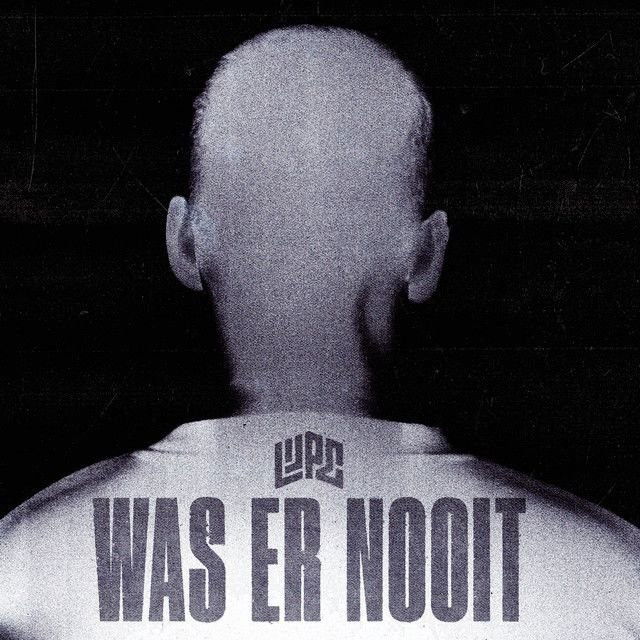
Why 'Was Er Nooit' Hits So Hard
The meaning of Was Er Nooit Lijpe starts with a simple wound: success has attracted people who were missing during the hardest years. In this song, they do not celebrate fame as pure victory. Instead, they treat it like a spotlight that exposes fake loyalty.
"Was Er Nooit" - Lijpe
Die tassen zaten vol met last, je droeg die tassen nooit
M'n jongens in detentie, wordt weer hasj gegooid
Loading lyrics...
Unable to load lyrics
We're unable to display the lyrics at this time. Please try again later.
Dutch rapper Lijpe, born Abdessamed Achahbar, built a reputation in Dutch hip-hop through tense, street-focused storytelling and a long run of charting releases, including the 2022 single “Was er nooit,” which reached the Dutch Top 100 according to publicly listed chart data. He is also one of the most commercially successful rappers in the Netherlands, with multiple No. 1 albums in later years. Those facts help frame why this song sounds so guarded: it comes from an artist whose rise made old relationships more complicated.
A Hook About Absence, Not Fame
The chorus delivers the song's core accusation. When the narrator says someone was there only for their naam
and that they was er nooit
, the point is not just personal disappointment. It is a test of who shared the burden before the rewards arrived.
That idea gets stronger in the image of bags filled with weight that others never carried. The song is saying: people now enjoy the story, but they did not help survive it. In plain terms, the hook turns success into evidence. If someone appears only after the climb, their support feels hollow.
Je bent er alleen voor m'n naam
want bro je was er nooit
Those two lines summarize the emotional conflict. The pain is not only that people changed. It is that their timing revealed what they always were.

Watch the official Was Er Nooit
music video
The Story Behind the Anger
In the first verse, they move from accusation into autobiography. They point to what they have built and stress that it came from different “stones,” suggesting a harder foundation than outsiders understand. The song presents growth as something physical and costly, not a lucky break.
There is also a running contrast between then and now:
- before: hunger, hustling, unstable movement
- now: money, property, cars, travel, status
- always: pressure, distrust, and memory
That contrast is important to the meaning of Was Er Nooit Lijpe. The song is not saying wealth erased pain. It is saying wealth changed the social circle around that pain. New comfort makes old betrayal easier to spot.
Streets, Prison, and a Larger Social World
The lyrics repeatedly widen the focus beyond one broken friendship. References to friends in detention and ongoing drug trade place the song inside a system where risk never fully disappears. Even after the narrator rises, people around them are still trapped in the same cycle.
This gives the track a heavier moral texture. It is not just “I made it.” It is “I made it, but the environment that shaped me is still there.” That is why a line like alles mooi
feels layered rather than cheerful. Interpretation: it can sound like pride in shared roots, but also like a survival joke—when you come from very little, even a small win can look beautiful.
Success Feels Good, But Not Safe
The second verse is full of motion: highways, quick appearances, leaving fast, wanting to go offline. Those details make fame feel restless instead of glamorous. The narrator can buy more, move faster, and command attention, yet still does not seem relaxed.
That mood matters. A lot of rap songs use luxury details as payoff. Here, luxury often feels defensive. Expensive cars and heavy spending sit next to thoughts about loss, fake people, and how quickly things can go wrong. When they mention that dirty money still clings while clean money sits nearby, the song blurs legal, moral, and emotional transition. The past is not over just because the bank account changed.
A sharp line like killen m'n vibe
reduces the problem to everyday language, but the idea is serious. Empty talk wastes time, drains trust, and blocks peace.
How the Sound Supports the Meaning
Even without a full production credit list, the song's likely design can be heard in its structure: a steady, moody beat, spacious melodic layers, and a vocal delivery that balances control with frustration. That combination supports the theme of contained anger.
Rather than exploding, the performance sounds measured. That restraint makes the accusations hit harder. The beat gives room for memory and reflection, while the repeated chorus acts like a recurring thought they cannot shake.
This style also fits Lijpe's broader catalog as a Dutch hip-hop artist known for introspective street rap and emotionally direct writing. The song's commercial success makes sense because it blends personal detail with a universal feeling: almost everyone knows what it is like when recognition arrives and old loyalties suddenly look different.
Two Strong Readings of the Song
A personal betrayal record
The most direct reading is that the song addresses friends, family-adjacent figures, or associates who now want closeness they did not earn. In that reading, the repeated refrain is a boundary-setting act.
A broader statement about upward mobility
Interpretation: the song can also be heard as a critique of what success does to social life. Once someone rises, they become useful to others. Attention increases, but trust gets harder. The title phrase becomes larger than one person; it describes a pattern.
Why the Song Connects
What makes “Was Er Nooit” resonate is its refusal to turn winning into a fairytale. They show that achievement brings comfort, but also sharper memory. The people who missed the struggle cannot rewrite history once the outcome looks attractive.
That is the deepest meaning of Was Er Nooit Lijpe: success does not heal absence. It names it.
Disclaimer: This article offers informed interpretation based on the lyrics provided, publicly available artist context, and the song's themes. Meaning can vary by listener.







