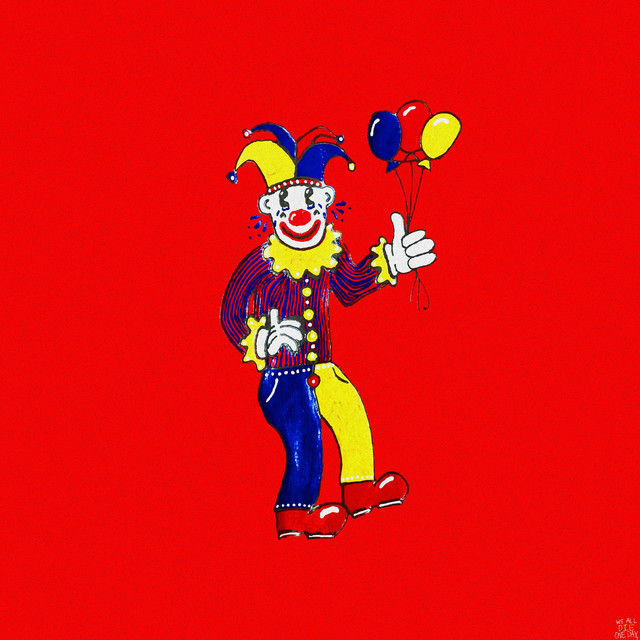
HAHA by Lil Darkie: The Smile as a Mask
The meaning of HAHA Lil Darkie comes into focus when the song is heard as a performance piece about pain, image, and survival. On its surface, the track sounds chaotic and mocking. Under that surface, it describes a person who feels low, gets pushed to keep going, and turns their suffering into a show others can consume.
"HAHA" - Lil Darkie
Go and take a walk or write a song up on your notepad
For what you have you should be grateful
Loading lyrics...
Unable to load lyrics
We're unable to display the lyrics at this time. Please try again later.
Lil Darkie often blends shock, satire, and emotional honesty in ways that can feel unstable on purpose. In “HAHA,” that method fits the subject. The song keeps asking what happens when a performer becomes a clown for an audience that wants energy, laughter, and spectacle, but not necessarily the truth.
The Core Meaning Hides Behind the Laugh
At the start, the song frames a sad inner voice being met with simple advice: go outside, write something, be grateful. That matters because it shows how emotional pain is often minimized. Instead of being deeply understood, the speaker gets shallow encouragement.
From there, the track shifts into confession. They describe feeling off, trapped in darkness, and judged by others. A phrase like feeling right
becomes important because the song keeps returning to the idea that they are not okay, even while they keep moving.
Interpretation: the laugh in the title is not joy. It sounds more like armor. The repeated Hahahahaha
feels sarcastic and theatrical, as if the song is daring listeners to notice the hurt hiding inside the joke.
Watch the official HAHA
music video
A Performer Split in Two
One of the clearest ideas in the song is the split between public face and private self. When they say I put a face on
, the song points directly to performance as disguise. They are not just expressing emotion; they are building a mask.
That leads into the clown imagery. The track describes people staring at a made-up figure inside a tent, almost like a circus act. The audience watches, laughs, and judges, but the song asks a harder question: what does that person feel when the show ends?
Laugh at the clown
and his makeup
This short image sums up the song’s emotional center. The crowd sees costume first, humanity second. Lil Darkie uses the clown not just as a weird visual, but as a symbol for entertainers who are reduced to a role.
How the Verses Build That Theme
The track moves through a few clear stages:
- It opens with sadness and frustration.
- It turns toward resistance and self-motivation.
- It becomes a circus scene where the artist is both ringmaster and victim.
- It ends by linking that image to Robin Williams.
That middle section is key to the meaning of HAHA Lil Darkie. The performer says they will survive and make something meaningful while alive. That is a defiant idea. Even in a song full of bitterness, there is a survival instinct.
But survival comes at a cost. The song suggests that the artist has learned to make entertainment out of pain because that is what the crowd responds to. The line about making entertainment the purpose turns art into coping, but also into a trap.
The Chorus Turns Humor Into Threat
The hook sounds playful until the song changes the frame. Laughter becomes cruel when the clown slips. The audience is not laughing with the performer; they are laughing at collapse.
Then the song gets darker. The jester image shifts from comedy toward danger, implying that ignored pain can twist into anger. Interpretation: this is not a literal instruction. It reads more like a warning about what happens when suffering is treated like content instead of a real crisis.
That is why the hook matters so much. It repeats the laugh until it stops sounding funny. Instead, it starts to feel mechanical, forced, and empty.
Sound and Delivery Matter as Much as the Words
Lil Darkie’s music often pulls from punk, trap, and abrasive internet-era rap. “HAHA” uses that unstable energy well. The vocal performance moves between taunting, ranting, and near-cartoon exaggeration, which supports the clown theme.
The beat’s blunt rhythm and aggressive delivery make the song feel like a staged breakdown. Rather than offering soft sadness, the production pushes discomfort outward. That choice makes the listener feel the conflict between entertainment and emotional damage.
Interpretation: the roughness is part of the meaning. A cleaner, calmer production would weaken the point. The song needs to sound like a grin stretched too far.
Why the Robin Williams Reference Lands
Near the end, the song mentions Robin Williams and pairs brightness with darkness. That brief reference gives the song a wider cultural frame. It points to a public figure whose comedy was beloved, while also reminding listeners that humor and suffering can exist together.
That does not mean the song is about Williams specifically. Instead, the reference sharpens the main theme: people who seem funniest or most alive in public may still carry heavy private pain.
Final Take on the Meaning of HAHA Lil Darkie
The meaning of HAHA Lil Darkie is about the painful divide between the self and the act. It shows a person who feels judged, uses performance as defense, and turns laughter into something eerie rather than healing.
At its best, “HAHA” is not just edgy for the sake of it. It is a song about how easy it is to enjoy the show and ignore the person inside it. That makes the clown image memorable, but also sad.
Disclaimer: This article offers interpretation based on the lyrics and publicly available song context. Different listeners may hear different meanings in “HAHA.”









