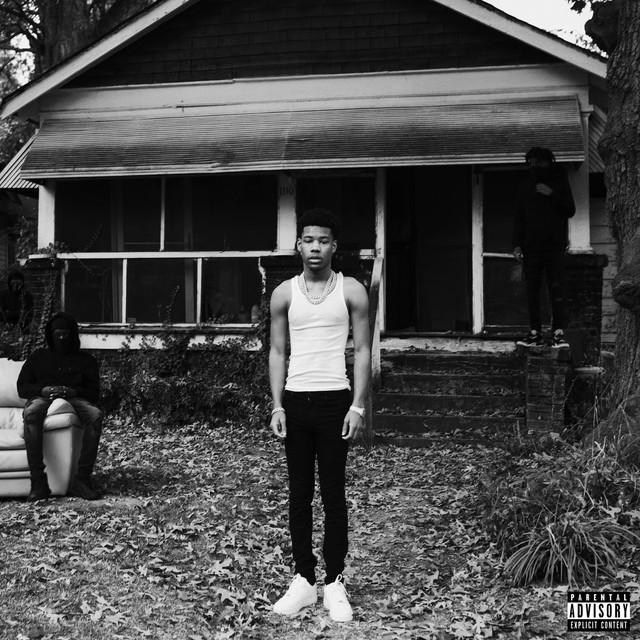
Why ‘Who Want Smoke??’ Feels So Menacing
The meaning of Who Want Smoke?? Nardo Wick, G Herbo, Lil Durk, 21 Savage starts with a simple idea: this is a challenge song. It is built to sound like a direct invitation to conflict, but its real power comes from how it turns fear, status, and survival into a chant that listeners cannot easily forget.
"Who Want Smoke??" - Nardo Wick ft. G Herbo, Lil Durk, 21 Savage
I'm wakin' up
I'm wakin' up, wakin' up (Emkay)
Loading lyrics...
Unable to load lyrics
We're unable to display the lyrics at this time. Please try again later.
Nardo Wick first released “Who Want Smoke??” in January 2021, and the remix with Lil Durk, 21 Savage, and G Herbo arrived in October 2021. It later appeared on Who is Nardo Wick?, with production by Emkay, according to Songfacts and major release listings.[1][2] Those facts matter because the remix did not change the song’s core message. It amplified it.
A Hook That Turns Conflict Into Identity
At the center is the repeated question Who want smoke with me?
In plain language, that means: who wants trouble? Songfacts notes that “smoke” here works as slang for conflict or confrontation.[1] The hook is not reflective or emotional. It is a dare.
That dare becomes the song’s identity. Instead of telling a long story, the track creates a mood where danger is always near. The artists present themselves as ready at all times, and that constant readiness becomes part of their image.
Interpretation: The song is less about one specific enemy than about maintaining a reputation. In drill and street rap, being seen as prepared can matter as much as any single event. The hook keeps returning to that public performance of toughness.
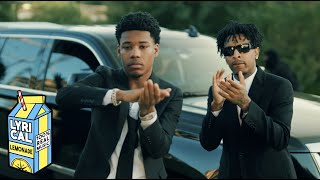
Watch the official Who Want Smoke??
music video
The Verses Build a World of Pressure
Nardo Wick’s opening verse sets the tone with immediate, graphic threats and a refusal to back down. When they say they are never slipping and always alert, the point is not subtle. They want listeners to feel a world where danger can appear anywhere, even during ordinary moments.
Short lines like bring them guns out
and while the sun out
push that idea further. The violence is described as bold and open, not hidden. That matters because it adds to the song’s sense of fearlessness, or at least its performance of fearlessness.
Lil Durk’s verse adds another layer. He mixes threat with real-world rap politics, including a nod to online pressure and street expectations. Without quoting the harsher lines directly, his verse suggests that public commentary, loyalty, and retaliation all blur together. He sounds like someone answering both enemies and spectators.
21 Savage is colder and more controlled. His delivery makes lines hit harder because he rarely sounds rushed. G Herbo closes with a style that is intense and breathless, turning the song into a final burst of momentum. Together, the guests do not change the theme; they widen it. Each artist brings their own city, tone, and credibility to the same basic message: do not test them.
Why the Counting Motif Sticks
One of the track’s smartest choices is the counting pattern. Nardo Wick starts it early, and later verses echo or expand it. Songfacts points to this counting motif as one reason the record became so memorable.[1]
The numbers do two things at once:
- They make the threats rhythmic and easy to remember.
- They turn violence into something almost childlike and chant-like, which makes it more unsettling.
That contrast is a big part of the song’s effect. A counting rhyme usually sounds playful. Here, it becomes sinister. Even a short phrase like One, two, three, four
feels tense because listeners know what follows is intimidation, not innocence.
Interpretation: This may be the song’s clearest artistic trick. It packages brutal imagery inside a pattern that is catchy enough for viral spread.
Emkay’s Beat Does Half the Talking
Emkay’s production is crucial to the meaning. The beat is spare, heavy, and dark, with space around the drums that lets every voice sound larger. Songfacts credits Emkay with producing both the original and remix.[1]
That empty space matters. Instead of crowding the record with melody, the instrumental leaves room for ad-libs, threats, and the stomp-like energy of the refrain. The repeated reaction line What the fuck is that?
lands like a group outburst, almost like a warning signal.
The beat also helps explain the song’s viral success. It is simple enough to loop in memory but forceful enough to feel cinematic. Nardo Wick reportedly said the creativity of the song helped drive its popularity, a point that fits the way the hook, counting, and production all lock together.[1]
A Street Anthem, Not a Confession
It is important to separate factual context from interpretation. Factually, this is a confrontational drill-influenced rap record that became a breakout hit, reaching the Billboard Hot 100 and helping push Nardo Wick further into the mainstream.[1][3]
Interpretation: That does not mean every line should be read as literal autobiography. Songs like this often work as performance, exaggeration, and image-building. The point is to create an atmosphere of menace.
That is why brief phrases such as smoke with us
and smoke, it’s free
matter. They frame conflict almost like an open offer. The song sells danger as confidence, and confidence as power.
The Real Meaning Behind the Threats
So what is the meaning of Who Want Smoke?? Nardo Wick, G Herbo, Lil Durk, 21 Savage? At its core, it is about dominance under pressure. The rappers describe a world where respect is fragile, enemies are always close, and survival depends on projecting strength before anyone can doubt it.
The song became big not because it is nuanced, but because it is efficient. The hook is instantly clear. The verses escalate the threat. The counting motif makes it unforgettable. And the production turns all of it into a dark, stomping anthem.
In that sense, “Who Want Smoke??” is not asking a real question. It is making a statement about image, readiness, and fear.
Disclaimer: This interpretation focuses on artistic themes, cultural context, and production choices. Meanings in rap can be layered, and different listeners may hear the song differently.








