Mad Max by Lil Durk, Future
They don’t waste a second setting the temperature. Mad Max is terse, hostile, and built like a threat note. The track packages street codes, sudden wealth, and survivor’s instincts into a single, volatile persona—“Mad Max”—meant to intimidate and to warn. This breakdown explores the meaning of Mad Max Lil Durk, Future by tracing its lyrics, sound, and context.
"Mad Max" - Lil Durk, Future
Spin on the low, go drop a bag and get a nigga buried
Lil' bro send shots out through your car, he think he Stephen Curry
Loading lyrics...
Unable to load lyrics
We're unable to display the lyrics at this time. Please try again later.
A Title That Signals Lawlessness, Not a Film Tie‑In
The title conjures a wasteland where rules don’t apply, but here it’s a nickname for a brutal alter ego rather than a movie nod. Critics pointed out the song’s ominous chords and battering low end, saying it feels like a soundtrack to desert warfare. That framing helps: the name “Mad Max” grants the artists a mythic, untouchable aura.
What the Song Is Really Saying
At its core, the record is a message to enemies and a reminder to listeners that Durk and Future have survived long enough to choose offense over defense. Durk sketches a code of action—move quietly, move fast, and move first. When he says spin on the low
, he’s stressing stealth. The Stephen Curry line—he think he Stephen Curry
—turns precision shooting into a taunt, linking marksmanship to status.
Other details reveal coping and paranoia. A tossed‑off brag about a drink is dirty
hints at self‑medication in a life full of pressure. And the phrase stay with my demons
collapses inner turmoil and street danger into one picture. Together, these lines frame the song as both posture and confession.
Who’s Speaking, and To Whom?
The verses are first‑person dispatches from leaders addressing rivals, the streets, and their own crews. Durk calls himself I’m the voice
, reclaiming his nickname as both responsibility and leverage. That stance matters: he’s not just threatening; he’s deciding who lives or exits the board. Future’s presence stabilizes the menace—his laid‑back delivery makes the threats feel colder, like a calm before impact.
The Hook as a Kill‑Switch
Mad Max (Max, Max), Mad Max Mad Max (run up on 'em like)
The chorus isn’t poetic so much as functional. It’s a switch that flips the verses’ granular detail into a simple, public brand of fear. Interpretation: by repeating “Mad Max,” they turn a private code into a rallying cry, the way a call sign becomes action in a radioed command.
Symbols and Motifs Decoded
- Mobility and stealth:
spin on the low
suggests drive‑bys done quietly. Cars and motion recur, signaling power to appear and vanish. - Aim and status:
he think he Stephen Curry
equates accuracy with clout, turning a sports flex into a lethal joke. - Intoxication as armor:
drink is dirty
reads as numbing strategy—a common trap motif that blurs coping and recklessness. - Inner and outer enemies:
stay with my demons
fuses trauma, temptation, and a volatile circle, underscoring that danger is both inside and out. - Leadership:
I’m the voice
marks authority. In this world, speech can mobilize crews as fast as money can.
These images keep the narrative moving without a linear story. The song reads like a series of field notes rather than a plot.
How the Sound Carries the Threat
HitmanAudio’s production pairs a minor‑key loop with clipped drums, skittering hats, and crushing 808s. That space lets Durk punch in with sharp, declarative bars while Future drapes menace in a low, unhurried tone. The mix leaves room for ad‑libs and gun‑on‑metal consonants, which sharpen the sense of motion and ambush. Form follows function: the beat’s tension makes the warnings feel operational, not hypothetical.
Visuals and Context That Shape Meaning
The official video stages a heist and nods to the movie Shottas, jumping from Jamaica to Miami. Ski masks, heavy weapons, and quick cuts extend the song’s tactics—arrive fast, press the advantage, and disappear. That imagery turns the “Mad Max” persona into a crew ethic.
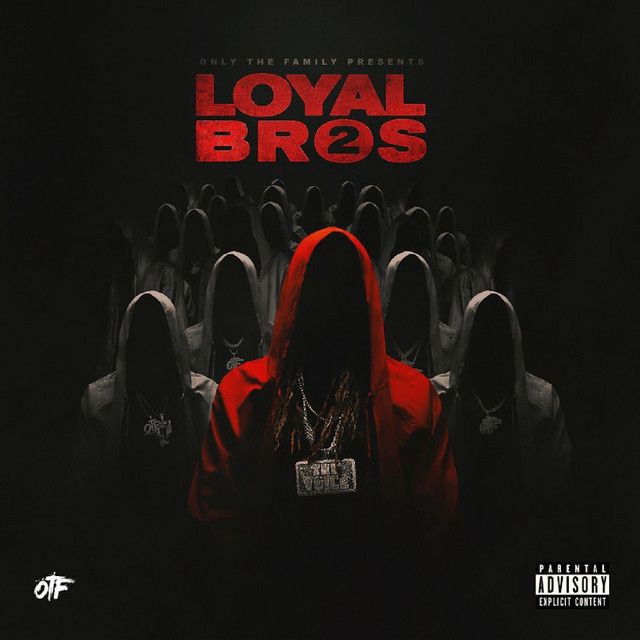
Context tightens the screws. The track appears on the Only The Family compilation Loyal Bros 2 (2022). Reviews highlighted it as a standout opener and praised the ominous feel with “pummeling” low end. The song stirred discussion for an eyebrow‑raising RICO bar, then went on to reach No. 1 on Billboard’s Bubbling Under Hot 100 and later earn RIAA Gold certification in the U.S. Those facts show the record’s double life: it’s both controversy magnet and crowd‑pleaser.
Alternate Readings Worth Considering
- Interpretation: Pure theater. The “Mad Max” persona is a brand—hyperbole meant to boost myth and move records while nodding to drill’s storytelling roots.
- Interpretation: Trauma vent. The boasts mask survivor’s guilt and constant alertness. Lines about demons, dirty drinks, and steady motion track a mind that won’t power down.
Takeaway
The meaning of Mad Max Lil Durk, Future lands here: power spoken into existence, sharpened by real stakes. The title crowns an alter ego; the verses load it with rules, habits, and scars. Whether heard as theater or testimony, the record functions as a warning siren.
Disclaimer: Song interpretations are subjective; this article reflects one informed reading based on lyrics, production, and public context.








