Why Lil Mosey’s “Live This Wild” Is All Flex
The meaning of Live This Wild Lil Mosey comes down to a simple but telling idea: success is exciting, but in this song, it is also loud, repetitive, and unstable. Lil Mosey presents wealth and chaos as part of the same package. They do not frame fame as peaceful or reflective. Instead, they treat it like a fast life that must always be performed.
"Live This Wild" - Lil Mosey
I'm a hundred billion dollar child, woah (dollar child)
I was born to live this wild, ayy (wild)
Loading lyrics...
Unable to load lyrics
We're unable to display the lyrics at this time. Please try again later.
That makes the track feel bigger than a standard brag rap song. Beneath the money talk, it shows a young artist building an image around excess, speed, and emotional distance.
The Hook Turns Lifestyle Into Identity
The chorus is the key to the song’s meaning. When Mosey says born to live this wild
, they are not just bragging about having fun. They are turning recklessness into destiny. The line suggests this life is not a phase or a mistake. In the song’s world, it is who they are.
That idea gets reinforced by another short phrase, hundred billion dollar child
. It is an exaggerated claim, of course, but exaggeration matters here. Interpretation: the point is not math. The point is mythmaking. Mosey paints themself as larger than life, almost like a fantasy version of young rap success.
born to live this wildgot a mil' stuffed in my house
Those lines compress the whole song into two images: identity and wealth. They show how the track ties self-worth to visible riches.

Watch the official Live This Wild
music video
Money, Motion, and the Need to Prove It
A big part of the meaning of Live This Wild Lil Mosey is performance. The verses keep returning to money, cars, jewelry, and spending. Phrases like bands from what I told you
and snowflakes on my necklace
show a speaker who wants receipts. They are not content to say they succeeded. They want success seen.
This matters because the song is also full of comparison. Mosey contrasts real winners with fake people who pretend to be rich or loyal. That split between authenticity and fraud gives the flexing a defensive edge. They are not only celebrating wealth; they are protecting their rank.
Interpretation: that defensive tone hints at insecurity under the surface. In many trap songs, constant proof of status can signal confidence, but it can also suggest that status never feels fully secure.
The Wildness Is Not Just Fun
The title phrase sounds carefree, but the lyrics complicate that mood. One of the hook’s most striking details is on the ground
, tied to a drug reference. That image interrupts the glamorous parts of the song. It reminds listeners that the “wild” life includes losing control, not just enjoying luxury.
This does not turn the song into a warning track. Mosey does not step back and moralize. Still, the detail adds texture. The lifestyle being praised is also physically draining and chemically altered.
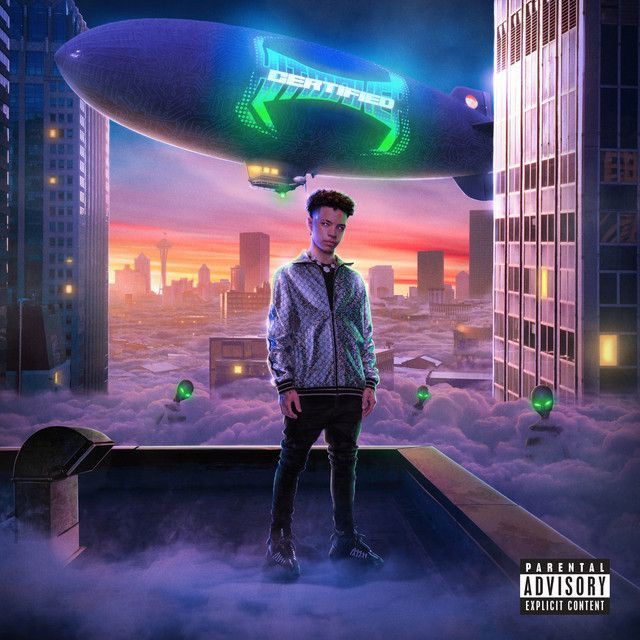
That tension fits a wider pattern in Lil Mosey’s late-2010s work. During the Certified Hitmaker era, they leaned into melodic trap songs about fame, women, money, and dreamlike success. Around that same period, “Stuck in a Dream” became one of Mosey’s biggest records, reaching No. 62 on the US Billboard Hot 100 and later earning multi-platinum certification in the United States, according to Wikipedia’s summary of the single. That context helps place “Live This Wild” inside a run of songs where fantasy and reality blur together.
How the Sound Supports the Message
Even without diving into full production credits, the song’s style tells a lot. It uses the familiar language of melodic trap: a looping beat, crisp percussion, airy space, and a hook built to repeat. That repetition matters because it mirrors the lifestyle being described.
The chorus comes back so often that it starts to feel less like a thought and more like programming. Wild living becomes automatic. Money comes in, money gets shown off, rivals get dismissed, and the cycle continues.
Interpretation: the beat’s hypnotic feel may be part of the point. Rather than offering a detailed story, the song traps the listener inside a mood of constant motion and constant display.
Women, Ego, and Emotional Distance
Another layer of the song is how casually it handles relationships. Women appear mostly as part of the flex. Attention is something money can attract, not something built on trust. That keeps the emotional world of the track shallow by design.
This shallowness is important to the meaning. It shows a speaker who values control, quick rewards, and surface-level wins. In that sense, romance works like jewelry or cash in the lyrics: another sign of power.
A Snapshot of Young Rap Stardom
At its core, “Live This Wild” is about the mindset of sudden success. Mosey presents a version of rap fame where money moves fast, enemies are fake, pleasure is immediate, and self-image depends on staying flashy. The song does not spend much time asking whether that life is sustainable.
That is exactly why the track works. It captures the rush of young stardom without softening it. The listener gets the thrill, but they also hear the numb repetition underneath it.
Final Take on the Song’s Meaning
The meaning of Live This Wild Lil Mosey is not hard to hear: it is a portrait of success as excess. But the more interesting part is how the song links wealth to instability. The flexes are bold, yet they sit next to drugged-out images, distrust, and empty connections.
So the song lands as both celebration and symptom. Interpretation: Mosey is not just describing a wild life. They are showing how a young star can start to believe that being wild is the job itself.
Disclaimer: This interpretation is based on the lyrics provided, publicly available credits, and the song’s broader artistic context. Meaning in music can remain open to listener interpretation.









