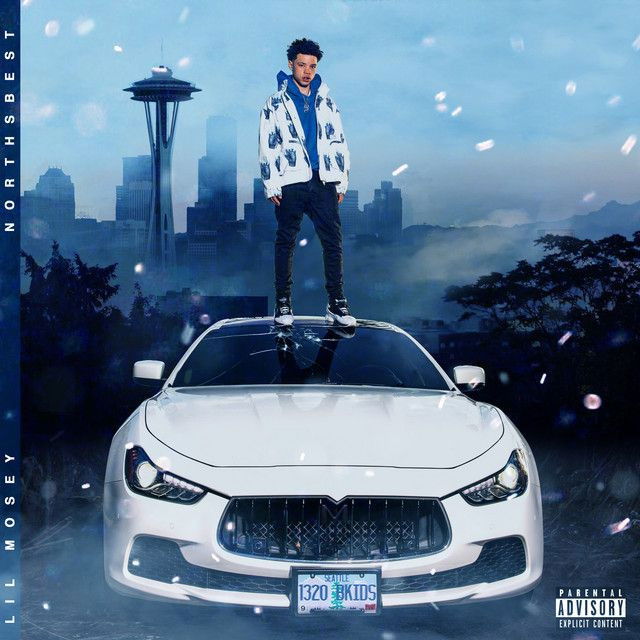
Pull Up by Lil Mosey
Lil Mosey’s “Pull Up” is not subtle. It turns speed, status, and menace into a short, catchy statement about what rap success can look like when they are still young and still proving themself.
"Pull Up" - Lil Mosey
Provided by LyricFindYuh
Ayy, yuh, whoa
Yuh, ayyLoading...Loading lyrics...
Unable to load lyrics
We're unable to display the lyrics at this time. Please try again later.
Why the meaning of Pull Up Lil Mosey hits fast
The meaning of Pull Up Lil Mosey starts with performance. The song is built around a public image: money in hand, rivals kept at a distance, and attention coming from every side. Rather than tell a full narrative, Mosey stacks blunt images until they feel like a lifestyle montage.
That is why the hook matters so much. When they repeat ideas like pull up
and buy out the shops
, the song frames success as something visible and immediate. In this world, power is not quiet. It has to be seen in cars, spending, and the reaction of other people.

Watch the official Pull Up
music video
A young rapper making a persona
Factually, Lil Mosey emerged as a young Seattle-area rapper who broke through in the late 2010s, with early songs helping establish his melodic trap style. Credits provided for this song list Moses Lathan Stanley Echols and Kevin Duane II Essett as writers. Those details matter because “Pull Up” sounds like an artist in the early stage of building a recognizable identity.
Interpretation: the song’s voice is less a diary than a mask. Mosey presents a version of themself who is untouchable, desired, and dangerous. Even lines about money and women are delivered less as intimate truth than as proof of rank.
There is one revealing crack in that mask. When they say they haven't made it
, the song briefly admits hunger beneath the flexing. That line gives the track a small edge of ambition: they are bragging, but they are also still chasing a bigger level.
The song’s three big themes
1. Success as visibility
In “Pull Up,” wealth only matters if other people can witness it. The references to shopping, cars, and cash are all public. They are not describing comfort; they are describing display.
That is why thumbin' through these chips
feels important. The image is not just about having money. It is about handling it, showing it, and making success look effortless.
2. Violence as status language
The song also leans on threats and street-coded language. Those lines help create pressure, even when they are not detailed. The point is not storytelling accuracy so much as atmosphere.
Interpretation: in this track, danger works like another luxury item. It becomes part of the persona, something that signals control. That does not make the message thoughtful or moral; it makes it effective within trap’s exaggerated style.
3. Detachment in relationships
The women in the song are mostly described as part of the fame orbit. Desire is present, but closeness is not. When Mosey frames romance as brief and disposable, the track reinforces a larger idea: everything moves fast, and nothing emotional is allowed to slow the momentum.
How the verses connect
The structure is simple, but it is purposeful. The repeated chorus gives the song a looped feeling, almost like the same night replaying over and over.
A quick way to read the track is this:
- They arrive and assert dominance.
- They list symbols of wealth and attention.
- They warn rivals and dismiss emotional ties.
- They repeat the hook until the persona feels fixed.
That repetition matters. It suggests that the lifestyle they are selling is not a one-time event. It is a pattern, almost a routine. The song does not build toward insight; it circles around image until the image becomes the point.
Production: why the beat sells the message
The production style is key to the song’s meaning. “Pull Up” uses a lean trap framework: hard drums, a spacious low end, and a melodic loop that leaves room for ad-libs and repeated phrases. That kind of beat helps simple lines land harder.
Because the instrumental is not overcrowded, phrases like youngest hit maker
stand out as slogans. The beat does not ask for reflection. It asks for attitude.
Interpretation: the production mirrors the song’s emotional narrowness. It is sleek, repetitive, and cool to the touch. That supports the lyrics about money and power, but it also highlights how little warmth the song wants to show.
A brag track with a small anxious edge
It would be easy to call “Pull Up” a pure flex anthem and stop there. That is mostly true, but not fully. The line about not having made it yet adds a subtle tension.
That moment suggests a familiar rap theme: speaking the future into existence. They brag in the present partly because they are trying to lock in the identity they want. In that reading, the song is not only about having status. It is about rehearsing it.
This also helps explain the harsh confidence. Young artists often use repetition to turn ambition into certainty. “Pull Up” can sound one-note, but that one note is the point. It is the sound of someone insisting on their arrival before the world has fully confirmed it.
What Pull Up ultimately means
So, what is the meaning of Pull Up Lil Mosey? The song captures a young artist translating ambition into spectacle. It uses money, cars, sex, and threat as shorthand for control, while the beat turns those ideas into a catchy, repeatable identity.
For some listeners, that will make the song feel exciting and direct. For others, it may feel shallow by design. Both readings are fair.
In the end, “Pull Up” is less about inner confession than outer projection. It is a song about being seen, being feared, and trying to sound already crowned.
Disclaimer: This interpretation is based on the lyrics, performance, and musical context, and it remains an informed reading rather than a confirmed statement of artist intent.









