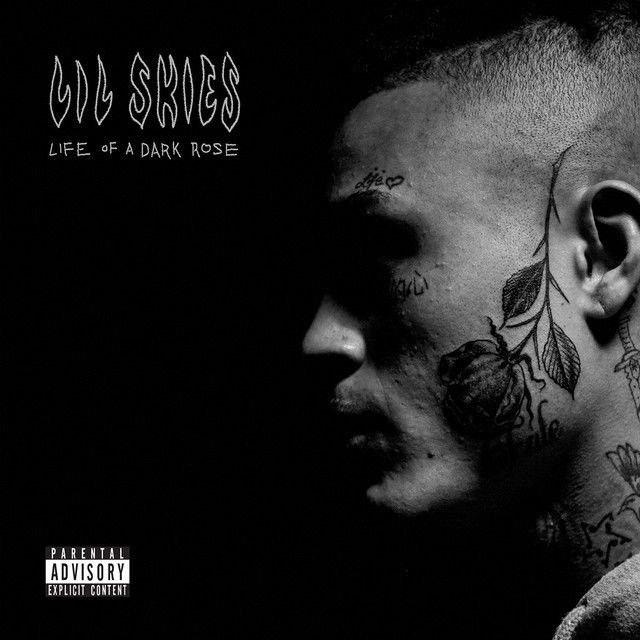
Big Money by Lil Skies
Why this track hits so directly
The meaning of Big Money Lil Skies starts with a simple idea: success feels good, but it also changes how people act around them. The song is built like a victory lap, yet it keeps looking backward at a time when they had very little. That tension gives the record its energy.
"Big Money" - Lil Skies
Ay, ay, ay
Big money on me, nigga, I'ma run it up
Loading lyrics...
Unable to load lyrics
We're unable to display the lyrics at this time. Please try again later.
At the center is the repeated memory of being broke and then suddenly having status, attention, and cash. When Lil Skies frames that shift with run it up
and ain't have enough
, they are not just boasting. They are contrasting past lack with present abundance. The hook is catchy because it is both a flex and a reminder.

Watch the official Big Money
music video
The core message beneath the bragging
On the surface, this is a money song. It celebrates fashion, women, loyalty, and the ability to spend without worry. But the deeper message is about what wealth means to someone who once felt unseen.
Interpretation: the song treats money as proof of survival. In that reading, cash is less about greed than about escape. The chorus keeps returning to the past because the past is what makes the present feel important.
That is why the line about being broke matters more than the line about looking fly. One tells listeners where they came from; the other shows the result. The emotional engine of the track is not luxury by itself. It is the jump from scarcity to excess.
A hook that turns memory into status
The chorus is the key to the whole song. It repeats the same emotional movement: first, they remember being down; second, they show how success changed their image and their social world.
Big money on me
I remember I was broke
Even in this short refrain, the structure is clear. Present wealth comes first, but memory follows right behind it. That order matters. Lil Skies does not let the song stay in celebration mode for too long before bringing back the old struggle.
Interpretation: this makes the chorus sound defensive as well as proud. It is as if they are telling critics, old doubters, and even themselves that the success is real because the hardship was real.
Verses full of flexes, pressure, and distrust
The verses push the song into rougher territory. Lil Skies talks about walking into a bank, attracting attention, and moving through life like someone people now notice. That image is flashy, but it also suggests risk. In rap, looking rich can make someone admired and targeted at the same time.
That double feeling shows up again when the song describes people switching up. The line about others liking them now that they are winning points to a familiar rap theme: success exposes fake love. When they say they must keep their distance, the song stops sounding playful and starts sounding guarded.
The same goes for references to silence around police pressure and staying with their circle. Those moments build a code of loyalty. The world in the song is divided between insiders and outsiders, brothers and haters, real support and opportunism.
Desire and excess are part of the story
The song also links money to attraction. Lil Skies suggests that fame and style change how women respond to them. When they mention being now I'm fly
, that image is not only about clothes. It stands for upgraded status.
Still, this part of the track is intentionally shallow. Relationships are shown as temporary, physical, and tied to the lifestyle. That is consistent with the song's worldview: money speeds everything up and makes every interaction feel transactional.
There are also references to drugs, reckless motion, and being too high or too fast. Those details matter because they stop the song from becoming a clean success anthem. The pleasure has danger around it. The flex comes with chaos.
How the sound supports the meaning
Production is a big reason the track works. The song was written by Kimetrius Foose and Julian Gramma, according to the provided credits. Its beat fits the melodic trap style Lil Skies became known for during their breakout period, heard across releases highlighted by labels and press coverage such as Atlantic Records and chart databases like Billboard.
The instrumental likely feels minimal on purpose: heavy low end, sharp drums, and enough space for the hook to stick. That simplicity helps the repeated lines hit harder. Rather than crowding the message with complex storytelling, the beat leaves room for the emotion of repetition.
Lil Skies also delivers the vocals with a mix of melody and bluntness. They glide through the chorus, then tighten up in the verses. That switch mirrors the theme. The hook feels smooth and triumphant; the verses feel more suspicious and aggressive.
Artist context sharpens the reading
Lil Skies built much of their early appeal on combining melodic rap with confessional flashes about pain, loyalty, and ambition. Coverage from outlets like XXL often noted that balance in their rise. Even when a song leans hard into flexing, there is usually a trace of insecurity or memory behind it.
That context helps explain why the meaning of Big Money Lil Skies is more than simple brag rap. The song fits a broader pattern in their catalog: success is real, but it does not erase what came before. It just gives them a louder way to answer it.
Final take: winning, but never fully relaxed
In the end, “Big Money” is about the emotional aftershock of finally having enough. Lil Skies presents wealth as proof, protection, temptation, and performance all at once. The song celebrates getting out, but it never sounds fully peaceful once they are out.
That is what gives the track its bite. It is not just about money. It is about remembering hunger, noticing who changed, and using success to talk back.
Disclaimer: This article offers interpretation based on the lyrics, performance, and available artist context. Different listeners may hear the song differently.









