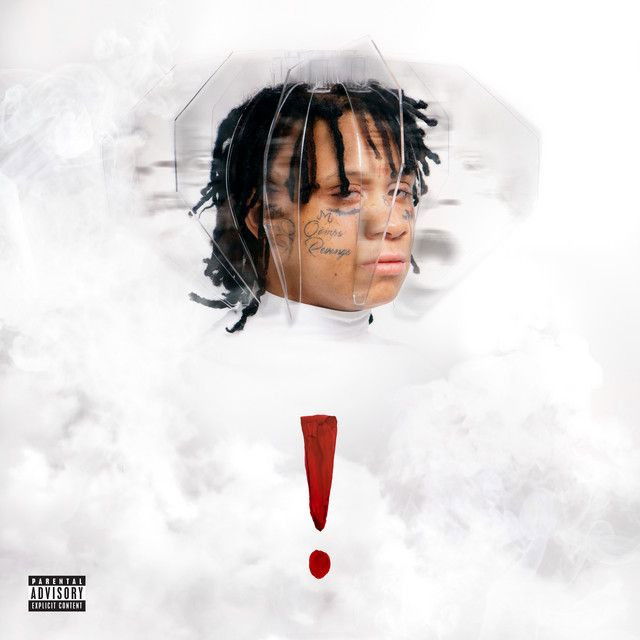
Why Trippie Redd’s “Lil Wayne” Feels So Restless
The meaning of Lil Wayne Trippie Redd comes down to a clash between pleasure, paranoia, and emotional escape. On the surface, the song sounds simple: a woman wants to ride with him, they get high, and he leans into sex, status, and danger. But beneath that, the track keeps circling one idea: they are trying to quiet a mind that will not settle.
"Lil Wayne" - Trippie Redd
Shorty say she wanna roll with me (yeah)
Get high with me, lil' baby, roll my weed (weed)
Loading lyrics...
Unable to load lyrics
We're unable to display the lyrics at this time. Please try again later.
That is why the hook matters so much. When Trippie repeats roll with me
and says he is trying to numb his thoughts, the song stops being just a flex record. It becomes a snapshot of someone using intimacy, weed, and aggression to hold themselves together for one more night.
The Hook Hides the Real Conflict
The chorus is catchy, but it also carries the song’s emotional center. Trippie frames the connection as temporary relief. He invites someone close, asks them to get high, and turns the moment into a shared bubble where the outside world disappears.
The key line is the idea of sink my damn thoughts
. Paraphrased, they are not celebrating peace; they are chasing it. That is an important difference. The song suggests that getting high and getting close to someone are less about romance than about shutting off pressure.
That pressure never fully leaves. Even in the hook, where the mood seems softer, there is tension in the way he keeps repeating you and me
. Interpretation: the repetition sounds less like security and more like self-persuasion, as if they are trying to believe the moment can protect them.
Watch the official Lil Wayne
music video
Desire, Escape, and Control in the Verses
The verse expands that mood by mixing lust with threat. Trippie jumps from attraction to weapons to street posture without much transition. That quick movement matters because it shows how these ideas live side by side in the song’s world.
One moment is sensual, the next is defensive. He mentions having a gun close and presents toughness as a requirement, not a choice. When he says chopper on me
, the point is not subtle storytelling. It is constant readiness. The song treats danger as something so normal that it sits in the same space as flirting and smoking.
That mix gives the track its uneasy energy. Instead of separating romance from violence, Trippie blends them into one late-night scene. Interpretation: that blending may show a person who cannot fully relax, even during pleasure, because survival instincts are always switched on.
Sacred Images in a Profane Setting
One of the more striking details is the Bible imagery. Trippie places a firearm near a Bible and also uses a biblical comparison in a sexual line. These choices are provocative, but they do more than shock.
They place sacred symbols inside a world ruled by impulse, risk, and appetite. That contrast makes the song feel morally split. The image of a Bible in a glove compartment suggests a token of faith or protection, yet it sits beside a weapon. In plain terms, the song pairs spirituality with self-defense, as if both are tools for getting through the day.
Keep my 4 right by my Bible
in the glove compartment
This short passage captures the track’s divided logic. Something holy is present, but it does not calm the chaos. It simply exists next to it.
Sound First, Meaning Close Behind
Production helps sell that tension. The beat is credited in the intro to OZ, the producer known for sleek, spacious rap production on major releases. Here, the instrumental leaves room for Trippie’s voice to drift and press at the same time. The result is moody rather than explosive.
The song does not sound triumphant. It feels hazy, blunt, and nocturnal. That matters because the performance matches the lyrics’ emotional blur. Trippie’s delivery stretches phrases and repeats ideas until they feel hypnotic. Even when the content is aggressive, the sound is narcotic.
From a meaning standpoint, that haze is crucial. The production creates the sense of a half-numb state, where desire and danger melt into each other. It supports the core idea that they are not solving inner conflict; they are floating above it for a while.
Why the Song Is Called “Lil Wayne”
The title points toward influence and identity. Trippie Redd has often worked in a lane shaped by melodic rap, punk feeling, and emotional excess, while Lil Wayne remains one of rap’s key models for punchline-heavy swagger, sexual bravado, and surreal one-liners. Interpretation: naming the track “Lil Wayne” may signal homage to that style of fearless, intoxicated wordplay.
It also fits the song’s attitude. The track is full of loose, provocative imagery and boasts that feel designed to hit fast. Rather than telling a detailed story, it aims for flashes of mood and persona. That approach echoes a Wayne-like tradition where charisma and quotable lines matter as much as plot.
A Character Study More Than a Story
There is not much linear narrative here. Instead, the song works like a portrait. It shows a speaker who wants company, wants oblivion, and wants protection all at once.
That is the main reason the meaning of Lil Wayne Trippie Redd is more conflicted than it first appears. The song is not just about getting high with someone attractive. It is about needing distraction so badly that every pleasure comes wrapped in fear, ego, or both.
Final Take
In the end, “Lil Wayne” turns a familiar rap setup into something more anxious. Its hook offers closeness, but its imagery keeps pointing back to unrest. Trippie Redd makes pleasure sound real, but never safe.
That tension is what gives the song its edge. Interpretation: listeners can hear it either as a flex-heavy vibe record or as a portrait of emotional avoidance dressed up as nightlife confidence.
Disclaimer: This interpretation is based on the lyrics, performance, and available song credits, and other listeners may reasonably hear the song differently.









