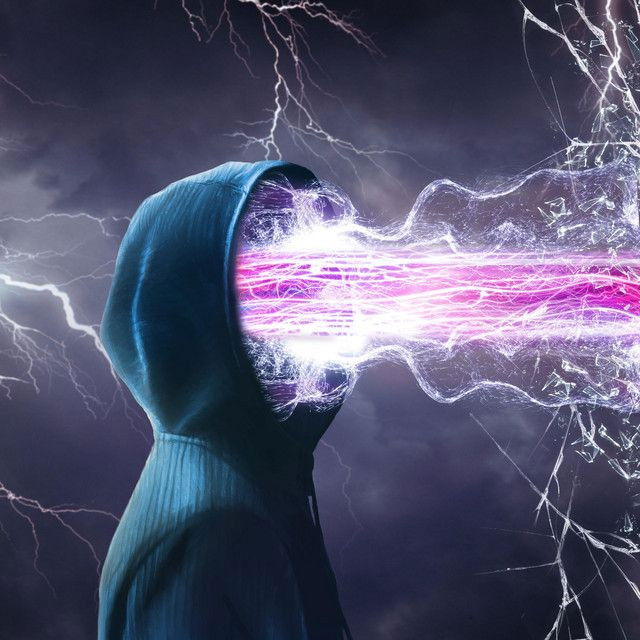
Against the Timeline by Unlike Pluto
Why This Song Pushes Back on Fate
The meaning of Against the Timeline Unlike Pluto centers on a simple but powerful idea: life is not a neat script. The song challenges the urge to believe that every turn is planned, every pain has a preset purpose, and every future can be mapped out in advance.
"Against the Timeline" - Unlike Pluto
Water flows like the time
When it comes to end
Loading lyrics...
Unable to load lyrics
We're unable to display the lyrics at this time. Please try again later.
Unlike Pluto, the project led by Armond Arabshahi, is known for mixing electronic pop with darker, reflective themes. Here, that style fits the message well. The lyrics sound like they are arguing with fate itself, asking whether people tell themselves comforting stories because uncertainty is harder to face.
At its core, the song says that a person can stop waiting for destiny to explain everything. Instead of trusting a fixed timeline, they can accept chaos, choice, and change.

Watch the official Against the Timeline
music video
A River, a Clock, and a False Story
The opening image compares life to water and time. When the song says the river is bending and time keeps moving, it suggests that life feels natural and unstoppable. That image matters because rivers look like they follow a path, even when that path twists.
Then the song sharpens the question. It asks whether every twist and turn is really predetermined. That is the song’s main conflict: is life already set, or do people only imagine that it is?
One key phrase is every inch is predetermined
. The song presents that idea almost like a belief someone has absorbed. But it does not leave that belief standing. Soon after, it starts pulling it apart.
What the Chorus Really Rejects
The chorus is where the song becomes most direct. It admits that life can seem like it is unfolding on its own, as if some larger force is writing the story. But the next idea changes the meaning. The song says the personal myth someone carries is a lie
.
That repetition is important. It does not just reject one bad idea. It rejects a whole mental framework built on fate, signs, and tidy explanations. The line about the fable made
in someone’s head points to the stories people tell themselves to make random events feel ordered.
Interpretation: The chorus is not denying that life shapes people. It clearly says wild moments change a person. What it rejects is the belief that change proves a master plan was there all along.
The Real Enemy Is Mental Certainty
In the bridge, the song becomes almost advice. It warns against waiting forever for proof, a signal, or some cosmic message before acting. That is where the title idea comes into focus. Being “against the timeline” means resisting the pressure to believe there is one correct sequence for a life.
The strongest image in this section is the idea of a prison of your own making
. The song suggests that the trap is mental, not physical. A person can become stuck by over-reading signs, trying to predict the future, or assuming their path is already written.
That is why the line the timeline... a damn lie
lands so hard. It is blunt on purpose. The song is saying that the imagined master schedule for a life may be more harmful than helpful.
If you wait forever
for a sign or symbol
the walls are mental
This short passage captures the song’s emotional turning point. It moves from philosophy to action, telling the listener that the search for certainty can become its own cage.
Sound and Structure: Motion Without Resolution
Even without detailed production credits here, the track’s likely electronic-pop frame matches Unlike Pluto’s broader style and helps carry the theme. The beat feels forward-moving, which mirrors the lyric idea that time keeps flowing whether people understand it or not.
The repetition in the hook also matters. Musically, repeated words can feel obsessive, and that suits a song about thoughts looping in the mind. The listener hears a struggle between surrendering to a story and breaking free from it.
Interpretation: The song’s momentum gives it a sense of motion without full comfort. That unresolved drive fits a message about living without guaranteed answers.
A Philosophical Song With a Personal Edge
There are at least two strong ways to read the song.
Reading One: Free Will Versus Determinism
On one level, it is a philosophical argument. The lyrics weigh destiny against agency, especially in lines that question whether choices are preset or whether luck and decision shape what comes next.
Reading Two: Breaking a Self-Defeating Habit
On another level, it sounds deeply personal. It could be about someone who has spent too long waiting for the right sign, the right timing, or the right explanation. In that reading, the song becomes a push toward action and self-trust.
Both readings work because the lyrics connect big ideas to everyday feelings: fear, hesitation, regret, and the need to move.
Why the Message Connects
What makes the meaning of Against the Timeline Unlike Pluto resonate is how familiar the problem is. Many people want their life to make perfect sense while they are living it. They want proof that setbacks were meant to happen and that the future is secretly organized.
This song says that belief may feel comforting, but it can also limit a person. Life changes them, yes, but not because a hidden script guaranteed every step. More likely, they are being shaped by experience as it happens.
That makes the song oddly freeing. It does not promise control. It offers something more realistic: movement, uncertainty, and the chance to choose without waiting for permission from fate.
Final Take
"Against the Timeline" is a sharp, thoughtful song about rejecting destiny as a crutch. It turns images of rivers, luck, and mental walls into a message about living without a fixed blueprint.
Interpretation disclaimer: This reading is an informed interpretation based on the lyrics provided and publicly known artist context. Like many songs, it can support more than one meaning depending on the listener’s experience.









