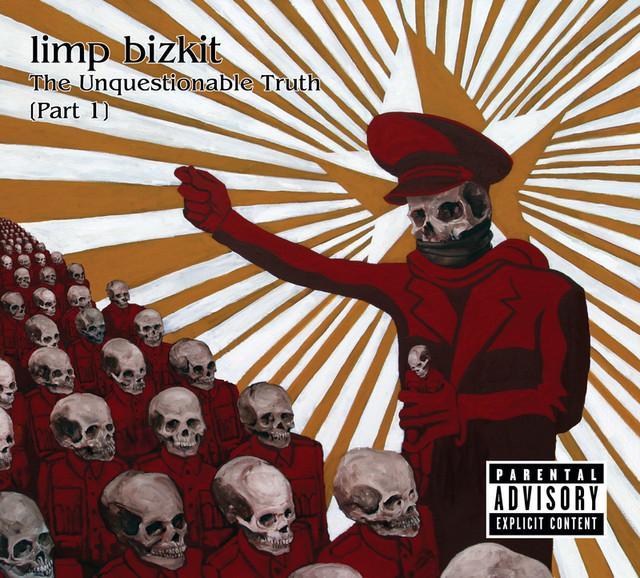
The Truth by Limp Bizkit
Why This Song Hits Harder Than Expected
For listeners searching for the meaning of The Truth Limp Bizkit, the shortest answer is this: they present truth as something painful, necessary, and deeply tied to power. The song is not a love song or a simple rant. It sounds like an intervention.
"The Truth" - Limp Bizkit
And slightly obsessed with falling too deep
And malfunction, you're a virus
Loading lyrics...
Unable to load lyrics
We're unable to display the lyrics at this time. Please try again later.
On the surface, the lyrics speak to a restless “you” who cannot hide from guilt, damage, or self-deception. Under that surface, the song points toward bigger systems too: propaganda, false leaders, religious performance, and the ways people surrender judgment. That wider context matters because “The Truth” appears on The Unquestionable Truth (Part 1), a 2005 EP built around darker and more serious themes than the band’s earlier mainstream hits.
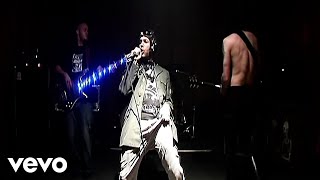
Watch the official The Truth
music video
A Voice That Confronts, Not Comforts
The song’s speaker does not sound gentle. They accuse, push, and almost dare the listener to wake up. Early lines describe someone restless and mentally trapped, then compare that person to a destructive force. When the lyric uses phrases like falling too deep
and digging a hole
, it suggests a cycle of bad choices and denial.
This is important to the song’s meaning. The “truth” here is not a hidden fun fact. It is moral and emotional reality: what someone has done, what they have ignored, and what they owe.
Interpretation: That “you” can be read in two ways:
- one damaged person facing their own failures
- a larger public manipulated by institutions and empty authority
Both readings fit the song, and Limp Bizkit likely wanted that overlap.
The Chorus Turns Truth Into a Challenge
The chorus repeats one thought again and again: accepting the truth
. Because the line is so simple, it becomes the song’s center of gravity. The verses throw out images of obsession, regret, and control, and the chorus answers with a demand: stop running.
That repetition matters. Instead of describing truth as freedom or peace, the band frames it as something people resist. They even connect it to insult and pain, suggesting that criticism may be useful if it forces honesty. In plain terms, the song argues that growth begins when people stop protecting a false version of themselves.
Imagine accepting the truth
Imagine accepting the truth
Those repeated lines feel less like comfort than pressure. They sound almost hypnotic, which fits a song concerned with manipulation and belief.
Images of Control, Debt, and False Leadership
Several lines tie the song to themes bigger than personal guilt. One verse mentions a shadow of doubt
, then questions instinct and asks whether the listener really knows who they are. Later, the song asks, Is your leader a voice?
That is one of its most revealing moments.
Here the band seems interested in invisible authority. A “leader” may be a preacher, politician, celebrity, ideology, or even the harsh voice inside a person’s head. The lyric does not lock itself to one answer. Instead, it shows how easy it is for people to hand over control.
The song also uses the language of debt and payback. That choice makes truth feel like a bill coming due. Lies, denial, and blind loyalty may seem useful for a while, but eventually they create a cost.
Interpretation: This is where the song moves from inner conflict to social critique. It suggests that private self-deception and public manipulation work the same way: both ask people to silence doubt.
Religion in the Song Is About Performance and Fear
Near the end, “The Truth” brings in a prayer-like section asking for deliverance from evil. That shift changes the mood. Suddenly the song sounds ritualistic, almost like a congregation repeating words without certainty.
That does not automatically make the song anti-faith. A fairer reading is that it is suspicious of religious language when it becomes performance, habit, or cover for hypocrisy. That idea lines up with Fred Durst’s comments about growing up around church culture and seeing people act one way in worship and another outside it, as reported by Loudwire.
So when the song says speak to your leader
, it may be asking a sharp question: who really rules a person’s conscience? God, ego, fear, or some manipulative human system?
The Sound Makes the Message Feel Mechanical
Production is a big part of the meaning. “The Truth” was released in 2005, produced by Ross Robinson, with Wes Borland back in the band and Sammy Siegler handling most of the drumming during the sessions. Critics and reference sources have noted the track’s industrial influence, and that is easy to hear in its grinding, rigid attack.
The guitars feel less playful than classic Limp Bizkit singles. They scrape and churn. The drums drive forward like machinery. DJ Lethal’s textures help create an atmosphere that feels cold, pressurized, and unstable. Instead of inviting a crowd to bounce, the track sounds like it is closing in.
That matters because the song is about systems of control. The music itself feels controlled, repetitive, and oppressive. It mirrors the mental trap the lyrics describe.
Where the Song Sits in Limp Bizkit’s Story
“The Truth” came from a strange but important moment for the band. The Unquestionable Truth (Part 1) arrived after years of massive fame, but it was released with little promotion. Fred Durst said the band wanted to make something for themselves instead of pushing another huge commercial event. That choice gave the EP a more confrontational tone.
Reception was mixed, but many listeners noticed the heavier, more serious direction. In that setting, “The Truth” stands out as a mission statement. It points away from swagger and toward scrutiny.
Final Reading: Painful Honesty Over Easy Illusion
The meaning of The Truth Limp Bizkit comes down to a battle between illusion and reckoning. The song says people often choose comforting lies, borrowed authority, and repeated slogans over honest self-examination. Limp Bizkit treat that refusal as dangerous, not harmless.
Interpretation: Their final message seems to be that truth hurts because it strips away excuses. But that pain is better than living under hypnosis, guilt, or somebody else’s script.
That is why the song still lands with force. It is messy, confrontational, and severe on purpose.
Disclaimer: This interpretation is based on the lyrics, release context, and available artist commentary. Song meaning can remain open to multiple valid readings.







