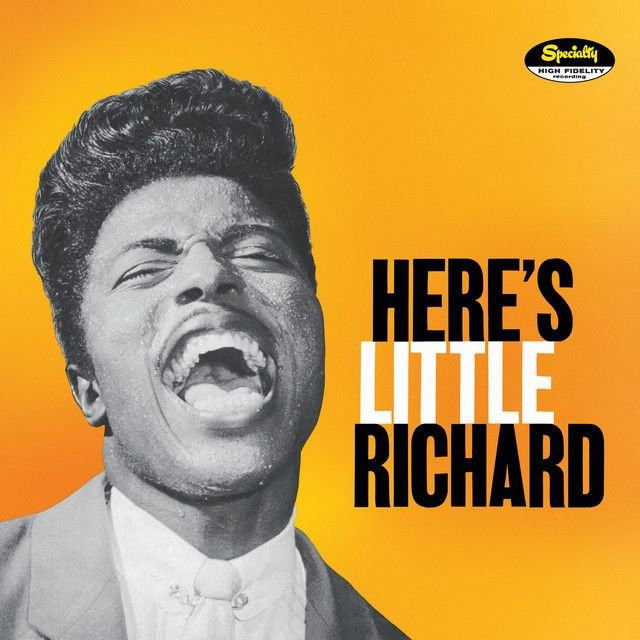
Rip It Up by Little Richard
They don’t write a better weekend mission statement than this. The meaning of Rip It Up Little Richard is simple and electric: spend the paycheck, pick up your date, and hit the dance floor until the world blurs into joy. It’s the sound of Saturday night freedom packed into 2 minutes and 20 seconds.
"Rip It Up" - Little Richard
Fool about my money, don't try to save,
My heart says go go, have a time,
Loading lyrics...
Unable to load lyrics
We're unable to display the lyrics at this time. Please try again later.
Payday Sparks the Party: The Core Charge
The narrator starts with a concrete trigger—money in hand and a calendar that finally says Saturday. When they sing Saturday night and I just got paid
, the line isn’t about wealth. It’s about permission. After work, rules loosen; time belongs to youth and music.
Interpretation: The song frames leisure as a right earned by labor. It rejects restraint, embracing risk as part of feeling alive.
Watch the official Rip It Up
music video
A First-Person Weekend Hero
This is a first-person voice who decides with impulse, not caution. My heart says go go
shows feeling overruling budgets and bedtime. They even shrug off thrift—don’t try to save
—which paints the night as a one-time, all-in bet on joy.
Interpretation: The “I” isn’t just Little Richard; it’s any young listener in the 1950s who wanted to dance past curfews and norms.
What Actually Happens: A Quick Timeline
- They get paid and choose fun over savings.
- They pick up a date—
picked her up in my 88
—telegraphing speed, style, and mobility. - They head to a community dance spot, where the room erupts and they’ll
have a ball
. - As the night peaks around ten, they float on music and don’t mind the cost—tomorrow can wait.
Each beat is ordinary on paper, but the delivery makes it epic. The story is less plot than momentum.
The Chorus as Rally Cry
The hook compresses the ethos into one command: rip it up
. It’s a pledge to break routine, not tables. Interpretation: The mantra flips anxiety into action; repetition turns a choice into a community chant.
Symbols and ’50s Motifs, Decoded
- Rocket 88 car: a status symbol of the era—fast, modern, and proudly American. It signals freedom to move, date, and show off.
- Union hall: a real civic space for dances. It grounds the night in working-class life, where social music thrived.
- Skyward imagery: when they talk about stepping out into the sky, it’s hyperbole for a dancer’s high. The room lifts; gravity lightens.
- Money: Pay is fuel for experience. Spending is framed as investment in memory, not a mistake.
How the Sound Sells the Feeling
Producer Robert “Bumps” Blackwell tracked the song in New Orleans at J&M Recording Studio with a killer band. Earl Palmer’s drums push a relentless backbeat, turning swing into rock and roll drive. Little Richard’s piano hammers eighth notes like a starter pistol, while Frank Fields’ bass and Ernest McLean’s guitar lock the floor.
Then tenor saxophonist Lee Allen explodes with a solo—bright, vocal, and raw—which acts like a second chorus. Alvin Tyler’s baritone sax fills the low end. The arrangement is tight and hot, cut for jukeboxes and packed dance halls. It’s no accident the single hit #1 on the R&B chart and #17 on the pop chart in 1956.
Context: From Single to Standard
Released on Specialty Records with “Ready Teddy” on the flip, the track became one of Little Richard’s early landmarks. Elvis Presley and Bill Haley & His Comets rushed out covers the same year, proof of how fast it spread through youth culture. Decades later, a refreshed version even opened Monday Night Football in 2020, splicing new vocals with Richard’s original—evidence that this groove still signals game time in America.
Alternate Readings and Edges
Interpretation: Some listeners hear a sexual charge in the phrase “rip it up.” That double edge fits Little Richard’s wild persona and the era’s wink-nudge slang. Still, the lyrics mostly point to dancing, spending a paycheck, and communal release—pleasures that blur lines without needing explicit code.
Interpretation: The song can also be read as a tiny labor parable. Work buys time; time buys joy; joy restores the worker. That loop—earn, spend, dance, reset—helped define postwar teenage life.
Takeaway: Weekends as a Promise
At heart, the meaning of Rip It Up Little Richard is about claiming a slice of freedom and sharing it on the dance floor. Money is just the ticket; music is the ride. The song turns a common Saturday into an anthem.
Disclaimer: Song meanings are interpretive. This reading blends reported facts with critical opinion.








