Why "Cult of Personality" Still Feels Dangerous
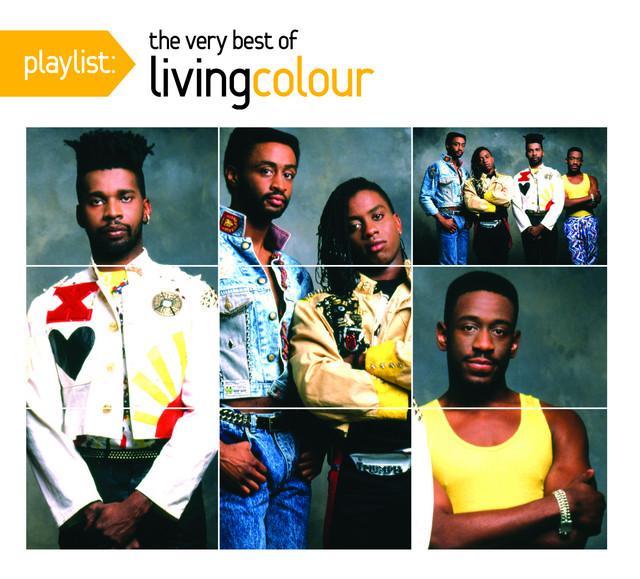
For many listeners, the meaning of Cult of Personality Living Colour starts with a simple idea: people do not just follow power, they often fall for image, charisma, and spectacle. Living Colour turned that idea into a hard-rock anthem in 1988, and it still lands because the song feels aimed at politics, celebrity culture, television, and even modern social media all at once.
"Cult of Personality" - Living Colour
We want to talk right down to earth
In a language that everybody here can easily understand
Loading lyrics...
Unable to load lyrics
We're unable to display the lyrics at this time. Please try again later.
Released as the opening track and second single from Vivid in 1988, the song became Living Colour's breakthrough, reaching No. 13 on the Billboard Hot 100 and later winning the Grammy for Best Hard Rock Performance. It was produced by Ed Stasium with the band and helped define their mix of hard rock, funk metal, and alternative metal energy.[1]
The Core Warning Hiding in the Hook
At its center, the song is about the dangerous appeal of a magnetic public figure. The repeated phrase cult of personality
is not praising that figure. It is a warning label.
The narrator sounds like a leader, salesman, and TV star rolled into one. When they boast I've been everything you want to be
, the point is not honesty. It is manipulation. The song shows how a public figure can become a screen for other people's hopes, fears, and anger.
Interpretation: Living Colour present charisma as morally unstable. It can belong to a liberator, a dictator, or a celebrity brand. What matters is the public's hunger to believe.
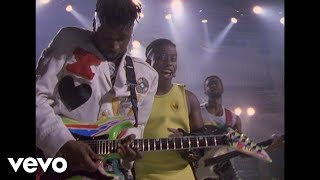
Watch the official Cult of Personality
music video
Why the Famous Names Matter So Much
One of the song's smartest moves is pairing very different historical figures in the same breath. The lyric references Kennedy, Mussolini, Stalin, and Gandhi. That contrast is the point.
Guitarist Vernon Reid later explained that the song was meant to move beyond a simple good-versus-bad split and ask what these figures shared. His answer was charisma: the force that makes people follow larger-than-life personalities.[2]
That is why lines like Like Mussolini and Kennedy
feel so jarring. The band are not saying those figures are morally equal. They are showing that public magnetism can attach itself to totally different causes. The same spotlight that lifts a hero can also elevate a tyrant.
A Voice That Sells Identity
The verses make the speaker sound both intimate and sinister. The line I know your anger
suggests a leader who studies the crowd and speaks directly to its emotions. Then the song moves to commerce and media: smiling face on your TV
turns power into something packaged and familiar.
This is one reason the song still feels current. It understands that influence is not only built through speeches. It is also built through image, repetition, and performance.
The lyric about selling people what they “need to be” suggests identity itself has become a product. The speaker does not just offer policies or beliefs. They offer a self-image followers can buy into.
The Most Important Twist in the Chorus
The chorus sounds huge and catchy, but its message is more skeptical than triumphant. The song keeps repeating the title until it starts to sound like a chant from a rally or a TV slogan. That repetition mimics how propaganda works: say something enough, and it starts to feel natural.
Then the song adds a crucial twist. In one of its clearest moments, it suggests freedom will not come from the leader at all:
You won't have to follow me
Only you can set you free
That is the song's escape hatch. It tells listeners that charisma loses its hold when people stop surrendering their judgment.
Sound as Seduction, Not Just Message
Part of what makes the meaning of Cult of Personality Living Colour so effective is that the music enacts the very thing it criticizes. Vernon Reid's opening riff is flashy, muscular, and instantly memorable. It pulls listeners in before they can fully process the warning.
According to Reid, the riff and lyric took shape quickly in a 1987 rehearsal, with the song coming together in a single session.[2] That urgency survives in the final recording. Corey Glover's vocals sound commanding and theatrical, while the rhythm section keeps the groove tight enough to feel danceable even as the lyrics grow darker.
That blend matters. A dry protest song would not make the same point. Living Colour make charisma sound thrilling, which helps listeners feel why people get swept up by it in the first place.
The Speech Samples Frame the Bigger Idea
The record also uses well-known political speech samples from Malcolm X, John F. Kennedy, and Franklin D. Roosevelt.[1] Those voices widen the song's focus beyond one villain or one ideology.
They remind listeners that public speech has real power. Great leaders can inspire courage and civic purpose. But the song asks listeners to stay alert even when the message sounds noble. Inspiration and manipulation can sometimes use similar tools: repetition, performance, and emotional certainty.
Why the Song Endures
The song lasted because its target never disappeared. In the late 1980s, it spoke to mass media and political image-making. Today, it also fits influencer culture, viral fame, and personality-driven politics.
It has also stayed visible through sports and wrestling, especially through CM Punk's long-running use of it as entrance music.[1] That context works almost too well: it turns the song into a theme for spectacle, persona, and the blurry line between authenticity and performance.
Final Read on Living Colour's Message
In the end, Living Colour's song is not simply anti-leader. It is anti-worship. It warns that when people stop thinking critically, charisma can become more powerful than truth.
Interpretation: The song's real target is the audience's willingness to be dazzled. Its final lesson is that people create these towering figures too, and they can also resist them.
Disclaimer: This interpretation is based on the lyrics, documented comments from Vernon Reid, and the song's musical context. As with any art, listeners may hear other meanings in it.








