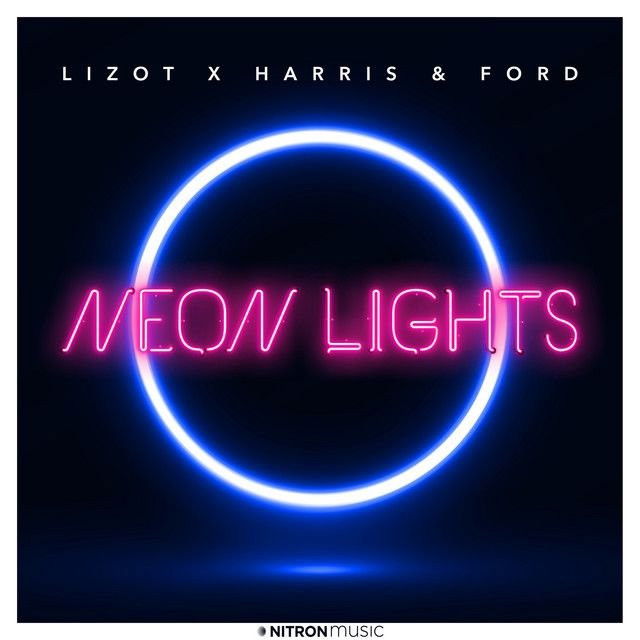
Why 'Neon Lights' Feels Bigger Than Its Words
The meaning of Neon Lights LIZOT, Harris & Ford comes through less as a detailed story and more as a feeling. The song is built around a simple late-night invitation, but that simplicity is the point. They present a moment of attraction, freedom, and sensory overload, where dance music turns a brief connection into something that feels huge.
"Neon Lights" - LIZOT, Harris & Ford
We could dance
The whole night
Loading lyrics...
Unable to load lyrics
We're unable to display the lyrics at this time. Please try again later.
LIZOT and Harris & Ford are both known for high-energy electronic releases, and that background matters here. Their catalog leans into festival-ready EDM and club music, which frames this track as an experience as much as a lyric sheet. The songwriting credits provided for the track are Christin Pohl, Max Kleinschmidt, Nicolas Heine, and Patrick Poehl.
A Night Out Turned Into a Tiny Love Story
At its core, the song describes two people being pulled together by atmosphere. The repeated invitation to meet me
under the glow of the city suggests spontaneity rather than deep commitment. This is not a song about long-term promises. It is about the magnetic energy of one night.
The lyrics keep returning to action words like dance
, hold me
, and love me
. Those phrases move step by step from first contact to physical closeness. That progression gives the song a loose narrative: first they meet, then they move together, then they lose themselves in the moment.
Interpretation: The song treats romance as something immediate and bodily. It is less interested in who these people are than in how they feel when music, light, and attraction collide.
Watch the official Neon Lights
music video
Why the Neon Image Matters So Much
The key symbol is right in the title. Neon light
is not just decoration. It carries the meaning of nightlife itself: artificial color, excitement, and a slightly unreal mood. Neon makes ordinary places look cinematic. In the song, that visual effect mirrors what desire does to perception.
Under that glow, normal rules seem to soften. The line about lose our minds
points to emotional release, not literal chaos. They suggest the kind of night when people stop overthinking and surrender to sound, motion, and chemistry.
More Than a Location
The repeated image of being “under” the light also matters. It places the couple inside a shared space, almost like a stage. The city disappears, and what remains is a private bubble inside a public scene.
Meet me under the neon light
We could dance
The whole night
That short section sums up the song’s emotional world: invitation, movement, and duration. They are not asking for forever. They are asking for now.
The Chorus Keeps the Meaning Simple on Purpose
One reason the track works is its repetition. Many dance songs use looping lines not because the writing is thin, but because repetition itself creates emotional force. Here, the chorus circles around the same wishes again and again, making them feel more hypnotic each time.
When the song repeats if you like
, it softens the invitation. There is desire, but there is also consent and openness. The speaker is not demanding attention. They are offering a chance to step into the night together.
Interpretation: That small phrase gives the song a flirtatious warmth. It makes the track sound inviting instead of aggressive, which helps explain why the mood feels playful rather than dark.
How the Sound Carries the Message
The production is essential to the song’s meaning. On the page, the lyrics are spare. In the track’s likely EDM setting, those words become rhythmic triggers. Short vocal lines are designed to lock into the beat, making the listener feel the message physically.
That matters for the meaning of Neon Lights LIZOT, Harris & Ford because the song is about surrendering to sensation. Fast tempo, bright synth textures, and a strong drop would support the neon theme by creating a glowing, forward-driving sound. Instead of telling listeners they are in a club-night dream, the production lets them feel it.
Why Minimal Lyrics Fit EDM
In dance-pop and festival EDM, a compact lyric often works better than a detailed verse. A repeated hook can cut through loud production and stick after one listen. That appears to be the strategy here.
Rather than building character backstory, the writers focus on memorable emotional cues. That makes the song easy to project onto. Almost anyone can imagine their own version of the night being described.
Two Strong Readings of the Song
There is a clear surface meaning, but the track allows a second layer too.
- Romantic reading: The song is about instant attraction on a night out. The calls to dance, hold, and love frame the night as a short-lived but real emotional spark.
- Escape reading: The song can also be heard as a small anthem for forgetting stress. The neon setting, the all-night dancing, and the wish to
lose our minds
all point toward release from everyday pressure.
Both readings work because the lyrics stay open. They give listeners just enough detail to feel something without narrowing the experience.
Why the Song Connects So Easily
The song’s strength is that it understands a common modern fantasy: finding connection in a bright, temporary place. Clubs, festivals, and city nights often feel powerful because they are fleeting. This track captures that emotional math well. The shorter the moment, the more intensely it can glow.
That is why the meaning of Neon Lights LIZOT, Harris & Ford feels bigger than its actual word count. They use a few simple phrases to sketch a whole emotional scene. Desire, freedom, and music all merge under one image.
The Final Glow
In the end, “Neon Lights” is about the rush of saying yes to a moment. It turns nightlife into a symbol of romance, escape, and self-forgetting joy. The words are simple, but the feeling is vivid.
That simplicity is part of the design, not a weakness. In dance music, sometimes a handful of lines can say enough.
Disclaimer: This interpretation is based on the released lyrics, credited writers, and the artists’ dance-music style. As with any song, meaning can vary from listener to listener.








