Why Lobo's Sweetest Hit Still Hurts
The meaning of I'd Love You to Want Me Lobo comes down to a simple but painful idea: two people seem to want each other, but only one is ready to admit it. That emotional gap gives the song its power. It is not about a breakup or a grand romance. It is about the ache of waiting for someone to stop hiding.
"I'd Love You to Want Me" - Lobo
About fell out my chair
And when you moved your mouth to speak
Loading lyrics...
Unable to load lyrics
We're unable to display the lyrics at this time. Please try again later.
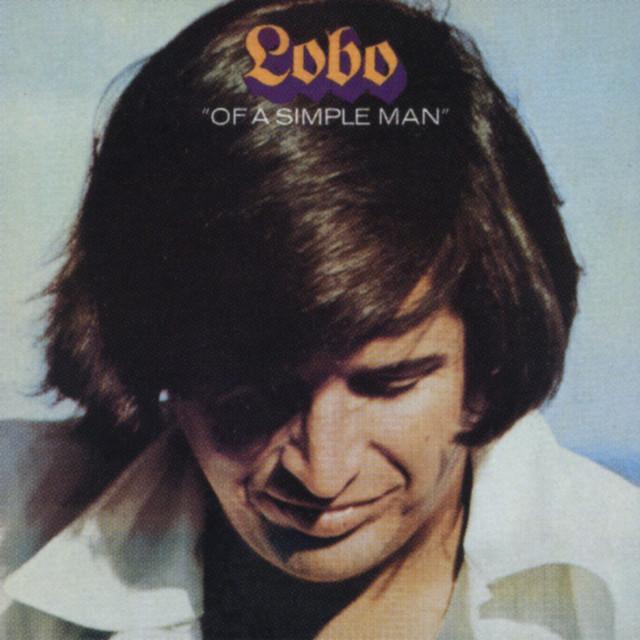
Released in September 1972 as a single from Of a Simple Man, the song was written by Lobo, the stage name of Roland Kent LaVoie, and produced by Phil Gernhard. It became his biggest pop hit, reaching No. 2 on the Billboard Hot 100 and No. 1 on the Adult Contemporary chart, with major success overseas as well.[1][2]
A Love Song Built on Hesitation
At first, the narrator is overwhelmed by attraction. The opening images are almost physical in their force. A quick look and a few spoken words leave them shaken, which tells listeners this is not mild interest. It feels immediate and real.
But the song quickly moves beyond a crush. The deeper point is that they believe the feeling is mutual. When they mention seeing the desire in blue eyes
, they are saying they have noticed signals the other person will not say aloud. That changes the song from longing into emotional frustration.
Interpretation: the speaker is not begging for impossible love. They think love is already there, only trapped beneath fear, rules, or habit.
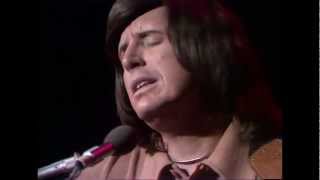
Watch the official I'd Love You to Want Me
music video
The Chorus Turns Wanting Into a Plea
The title line, I'd love you to want me
, sounds gentle, but it carries a strong emotional charge. The narrator does not only want affection. They want open, willing affection, freely given and clearly spoken.
That is why the chorus matters so much. It keeps returning to the gap between what is felt and what is allowed. The phrase the way that it should be
suggests the singer sees mutual love as natural, even obvious. In their mind, the relationship is blocked not by lack of feeling, but by resistance.
If you'd only let it be
the way that it should be
Those lines sum up the whole emotional conflict. The singer believes happiness is possible if the other person stops controlling or denying what they feel.
A Story About Social Roles and Self-Protection
The most revealing verse is the one about a promise made years earlier never to show emotion. The lyric also mentions an obligation and a title that they gave
. That wording opens the song up.
On the surface, it may describe someone who has trained themselves to stay composed. They may have a role in life, family, or society that requires distance. The song never names that role, which is part of why it lasts. Listeners can map their own experience onto it.
Interpretation: this could be about class, status, marriage, reputation, or simply emotional self-defense. The key idea is the same: the other person has built an identity around restraint.
That makes the song sadder than a basic love plea. The obstacle is internal. The singer is asking another person to undo years of self-protection.
How Lobo's Delivery Softens the Pain
Musically, the song sits between folk rock and soft rock.[2] Its arrangement is smooth and unhurried, which helps the emotional message land without sounding desperate. The melody rises with feeling, but the performance stays controlled.
That balance matters. If the vocal had been bigger or angrier, the song might feel demanding. Instead, Lobo sounds patient, almost tender. He makes the narrator seem hopeful rather than possessive.
The production supports that reading too. The gentle rhythm, warm acoustic texture, and polished early-1970s soft-rock sound create space for the vulnerability in the lyric. The song aims for what Lobo himself described as a “big ballad,” inspired by a fantasy he formed in high school about a pretty art teacher.[1]
Why the Song Connected So Widely
Part of the song's appeal is its emotional clarity. Many love songs are about winning someone over. This one is about sensing that they are already close, yet still unreachable. That is a more subtle pain, and many listeners recognize it.
It also arrived at the height of the soft-rock era, when intimate vocals and reflective songwriting were reaching large audiences. According to Songfacts, it became Lobo's highest-charting single in the United States and was nearly a No. 1 pop hit, blocked only by Johnny Nash's I Can See Clearly Now
.[1] Internationally, it did even more, topping charts in multiple countries.[2]
Its popularity makes sense. The lyric is specific enough to feel personal, but open enough to feel universal.
The Best Way to Read Its Message
The meaning of I'd Love You to Want Me Lobo is not just romantic desire. It is the wish for emotional permission. The singer sees love, or at least desire, in the other person and asks them to stop hiding behind old rules.
That is why the song still lands today. It understands that some of the hardest relationships are not blocked by distance, but by silence.
In that sense, the track is less a seduction than a hopeful appeal: be honest, be vulnerable, and let yourself feel what is already there.
Disclaimer: This interpretation separates documented facts about the song's release and authorship from critical reading of its lyrics and emotional themes. Interpretations can vary by listener.







