Why 'Love Sensation' Still Feels So Huge
For anyone searching for the meaning of Love Sensation Loleatta Holloway, the answer starts with a simple idea: this is a song about love as pure physical and emotional force. It does not tell a complicated story. Instead, it captures the moment when attraction feels so intense that ordinary language is not enough.
"Love Sensation" - Loleatta Holloway
Got me burning up with your love sensation
Love sensation oh it's a spell
Loading lyrics...
Unable to load lyrics
We're unable to display the lyrics at this time. Please try again later.
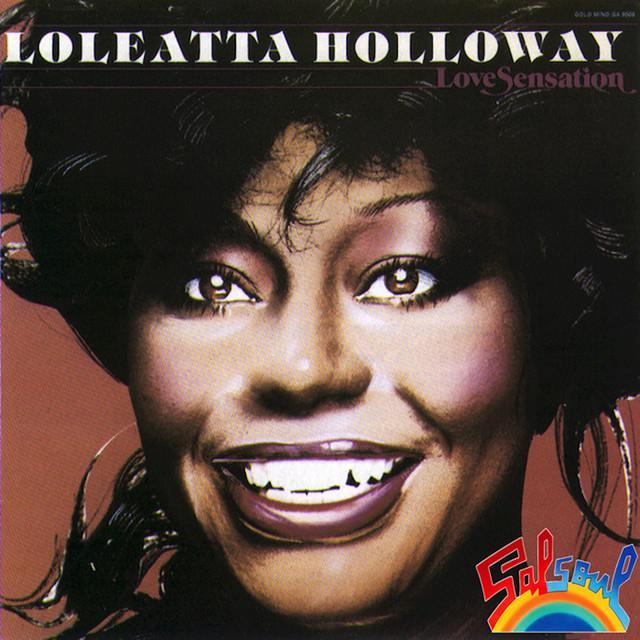
Released in 1980, "Love Sensation" was performed by Loleatta Holloway and appeared on her album of the same name, her sixth and final studio album. It was written and produced by Dan Hartman, arranged by Norman Harris, and mixed by disco pioneer Tom Moulton. It also reached No. 1 on the US Hot Dance Club Play chart, a sign of how strongly it connected in clubs (Wikipedia).
The Heart of the Song: Love as Overload
The song’s central message is not subtle, and that is part of its power. They present love as overwhelming, joyful, and immediate. When the chorus circles around love sensation
and burning up
, it turns romance into a full-body experience.
That matters because the lyrics keep stressing feeling over explanation. The singer admits they can hardly describe what is happening. That idea appears again when they suggest words are not enough. In plain terms, the song says love can hit so hard that it becomes more like a wave than a conversation.
Interpretation: The song is less about a relationship’s history than about its emotional peak. It lives inside the rush itself.

Watch the official Love Sensation
music video
Devotion, Desire, and Total Surrender
Beyond excitement, the lyrics also show loyalty. When the singer insists I love nobody else
, they move from desire into commitment. The song stops being only about chemistry and starts sounding like devotion.
There is also a sense of being swept away. The loved person can take me away
, which suggests surrender rather than control. That line gives the track a dreamlike quality. Love is not described as careful or balanced. It is a force that pulls the singer out of ordinary life.
Thank you baby
you're right on time
That brief moment adds another layer. Love is not just intense; it is timely. The person arrives exactly when they are needed. So the song becomes partly about relief too, as if romance has shown up at the perfect second.
How the Chorus Turns Feeling Into Meaning
The chorus is repetitive, but that repetition is the point. Disco often uses repetition to turn emotion into movement, and this song is a textbook example. Each return to love sensation
makes the feeling sound bigger, less like a thought and more like a pulse.
Rather than adding new plot details, the hook deepens the same emotion. The listener is meant to feel caught inside the loop. That is why the song works so well on a dance floor. It is built to keep the body inside the feeling the lyrics describe.
Interpretation: The repeated hook mirrors obsession in a positive sense. They cannot stop returning to the feeling because the feeling has taken over.
The Voice Is the Message
A big part of the meaning of Love Sensation Loleatta Holloway comes from Holloway’s performance. Her voice does not just sing desire; it seems to push it to the edge. According to Wikipedia, Holloway later recalled that Dan Hartman had her record the song 29 times over two days. That story helps explain the final result: the vocal sounds worked for, strained, and explosive.
Her performance moves between sweetness and near-shouted release. That contrast is important. The softer lines suggest intimacy, while the bigger runs and cries make love sound almost uncontrollable.
Critics and artists have long praised that effect. Laurent Garnier called it an "all-time classic," while NME described the track as Holloway at her euphoric best, and Kevin Saunderson praised its "perfect vocal" and the joy it brought to dancers (Wikipedia). Those reactions fit the song’s emotional design: it is meant to feel liberating.
Why the Production Feels So Physical
The production is just as important as the lyrics. This is a disco record with a strong beat, bright arrangement, and a mix shaped for club energy. Hartman’s songwriting gives the track a simple emotional frame, while the arrangement and mix make that frame feel huge.
The groove keeps the song moving forward without much pause. That creates momentum, which matches the idea of unstoppable attraction. The instrumental bed does not question the emotion. It reinforces it.
Tom Moulton’s connection matters here too. They were one of the architects of the extended disco mix, and that sensibility helps "Love Sensation" stretch feeling into atmosphere. The song breathes like a club record, giving Holloway’s voice room to soar.
The Legacy Changed How People Hear It
"Love Sensation" has had a second life through sampling. Holloway’s vocal was famously used in Black Box’s "Ride on Time," and her voice also appeared in the orbit of later dance-pop hits, including Marky Mark and the Funky Bunch’s "Good Vibrations" (Wikipedia). That history matters because many listeners now hear the song as a source text for modern dance music.
Its legacy adds meaning in retrospect. What began as a disco statement of romantic euphoria became a building block for club culture. In that sense, the song is about more than one singer’s feelings. It became a shared language of uplift, release, and ecstatic performance.
Final Take: Joy Without Apology
The best way to understand the meaning of Love Sensation Loleatta Holloway is to hear it as a song that refuses restraint. It treats love as heat, motion, gratitude, and certainty all at once. There is no irony in it. There is only emotional abundance.
That directness is why it lasts. The lyrics are simple, but the feeling is massive. Holloway and the production turn a straightforward love song into something close to emotional weather.
Disclaimer: This interpretation separates documented facts about the song’s release and legacy from critical reading of its lyrics and sound. Meaning in music can remain open to personal experience.







